
As Cancer Claims Her, JFK Heir Challenges Cousin's Health Agenda


 Aime Summary
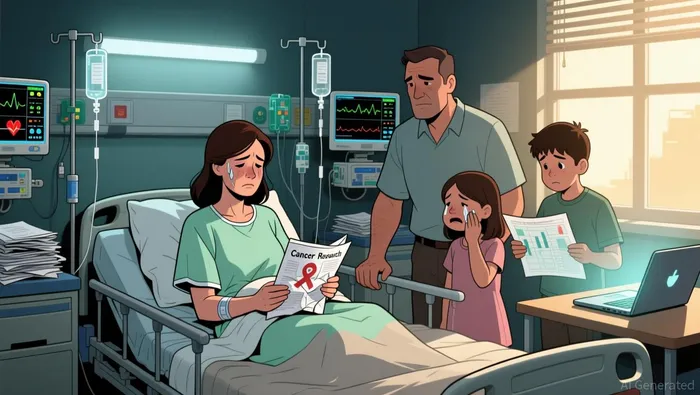
John F. Kennedy's granddaughter, Tatiana Schlossberg, revealed a terminal cancer diagnosis in an emotional essay published in The New Yorker, criticizing her cousin Robert F. Kennedy Jr. for policies she claims jeopardize cancer patients. Schlossberg, 34, disclosed that she was diagnosed with acute myeloid leukemia featuring a rare mutation in May 2024, following the birth of her second child. After undergoing chemotherapy, two stem cell transplants, and clinical trials, she wrote that a doctor recently told her, "he could keep me alive for a year, maybe" according to Schlossberg.
Schlossberg's critique centers on RFK Jr., who has gained prominence as a health policy figure, most recently serving as President Donald Trump's nominee for Health and Human Services secretary. She highlighted RFK Jr.'s decision to cut nearly $500 million in federal funding for mRNA vaccine research-a technology she argues could be repurposed to combat certain cancers according to Schlossberg. Her essay, published on the 62nd anniversary of JFK's assassination, also expressed fears for her children's future without her and lamented the emotional toll on her family according to the report.
The controversy underscores broader tensions in U.S. health policy, particularly around research funding and regulatory decisions. The Ovarian Cancer Research Alliance (OCRA), which has historically lobbied for increased federal funding, recently launched a Center for Public Policy to amplify its advocacy efforts. The initiative aims to accelerate research, expand clinical trial access, and improve drug availability, aligning with Schlossberg's concerns about resource allocation according to the announcement. OCRA's new Interactive Policy Map, part of the center's launch, allows advocates to track legislative progress on gynecologic cancer issues in real time.
 Meanwhile, developments in cancer therapeutics and diagnostics are gaining momentum. Taiho Oncology and Cullinan Therapeutics recently initiated a rolling submission for zipalertinib, a treatment targeting non-small cell lung cancer with EGFR exon 20 insertion mutations. Separately, BeOne Medicines presented updated trial data on BTK inhibitors for B-cell malignancies at the American Society of Hematology (ASH) 2025 conference, showcasing advancements in targeted therapies according to the report.
RFK Jr.'s influence on public health policy has also reshaped vaccine guidelines. The CDC recently revised its stance on childhood vaccines, removing universal recommendations for all age groups and shifting toward individualized discussions according to the CDC. Critics argue these changes, which align with RFK Jr.'s skepticism of conventional science, could undermine public trust in medical research. ModernaMRNA--, a key player in mRNA technology, faces a diminished market as FDA restrictions limit its vaccine eligibility to those under 65 with specific risk factors according to financial analysis.
Schlossberg's public reckoning with her prognosis has sparked renewed debate about the intersection of politics and healthcare. "For my whole life, I have tried to be good," she wrote, adding that her diagnosis has added "a new tragedy" to her family according to her essay. Her critique of RFK Jr. reflects broader concerns about the impact of policy decisions on patients reliant on cutting-edge research and equitable access to care.

Stay ahead of the market.
Get curated U.S. market news, insights and key dates delivered to your inbox.
AInvest
PRO
AInvest
PRO



Comments
No comments yet