
Canadian Wildfires Cause Spike in Chicago Air Quality Alert and Health Concerns
 Aime Summary
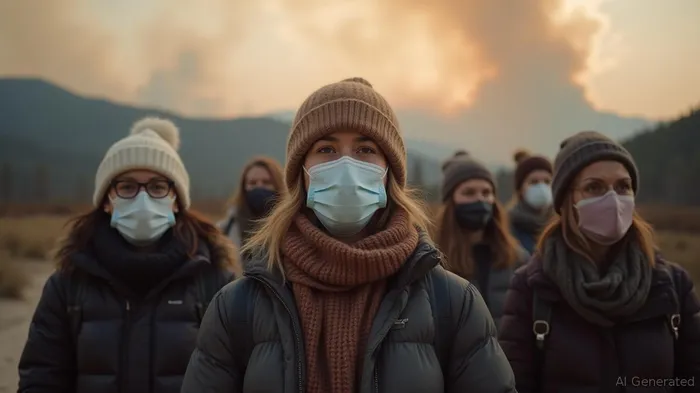
Chicago's air quality deteriorated significantly on Thursday, prompting authorities to issue an Air Quality Alert for the entire metropolitan area and surrounding regions. According to IQAir, a Swiss air quality technology company, Chicago experienced the worst air pollution worldwide for several hours during the day, surpassed only by the capital city of Kinshasa in the Democratic Republic of Congo by mid-afternoon. This decline in atmospheric quality was chiefly attributed to smoke from Canadian wildfires, which traveled extensive distances to reach the city.
The pollution levels prompted the National Weather Service to maintain an air quality alert across Illinois, extending through Friday night. Residents, especially those with health vulnerabilities such as respiratory conditions, young children, and the elderly, were advised to minimize outdoor activities and stay indoors where possible. Those who needed to venture outside were encouraged to limit strenuous exertion and prioritize shorter periods outside.
The Illinois Environmental Protection Agency confirmed the unhealthy air quality conditions posed a significant risk to everyone, stressing the importance of recognizing symptoms such as shortness of breath that might require moving indoors or seeking medical attention if persistent. In response, city officials have urged residents to perform well-being checks on people with known health issues. Reportedly, IQAir indicated the city's air quality index hit 174, which is considered unhealthy for all groups.
The smoke also reduced visibility across the area, occasionally dropping below two miles. While the forecast predicted a slight improvement for Friday, air quality was only expected to shift from unhealthy for all groups to unhealthy for sensitive individuals. The longer-term prediction for the weekend suggested further improvement, reaching moderate air pollution levels.
In analyzing the cause, meteorologists have highlighted the significant role of Canadian wildfire smoke, coupled with smoke from ongoing fires in Utah and Arizona, as primary contaminants driving the region's poor air quality. Experts continue to stress the importance of reviewing outdoor air quality regularly and taking precautions, maintaining ventilation where feasible. Households are advised to enhance indoor air quality through purifiers fitted with HEPA filters to mitigate the adverse effects of outdoor pollutants.
Climate-driven wildfires are increasingly acknowledged by analysts as a significant contributor to such pollution episodes, with experts predicting these events may become more frequent. As the city grapples with these challenging air quality conditions, Chicagoans are reminded to check forecast updates and adjust activities accordingly to safeguard health during these high-risk periods.

Stay ahead of the market.
Get curated U.S. market news, insights and key dates delivered to your inbox.


AInvest
PRO
AInvest
PRO



Comments
No comments yet