
Canadian Wildfires Cause 99% Drop in Minnesota Tourism
The air quality in the Upper Midwest has significantly deteriorated due to the thick smoke from Canadian wildfires, leading to some of the worst air quality conditions in the nation. The dense smoke has created an environment where, as Al Chirpich, owner of the Hideaway Resort near Detroit Lakes, Minnesota, quipped, "If you have a nice pork loin you can hang from a tree, it’ll turn into ham." This vivid description underscores the severity of the air pollution, which has made outdoor activities hazardous and indoor air quality a concern for residents.
The smoke has blanketed the region, affecting not only Minnesota but also neighboring states like North Dakota. The air quality index in these areas has reached levels deemed "very unhealthy," posing significant health risks, particularly for vulnerable populations such as the elderly, children, and those with respiratory conditions. The thick haze has also impacted visibility, making it difficult for residents to go about their daily routines.
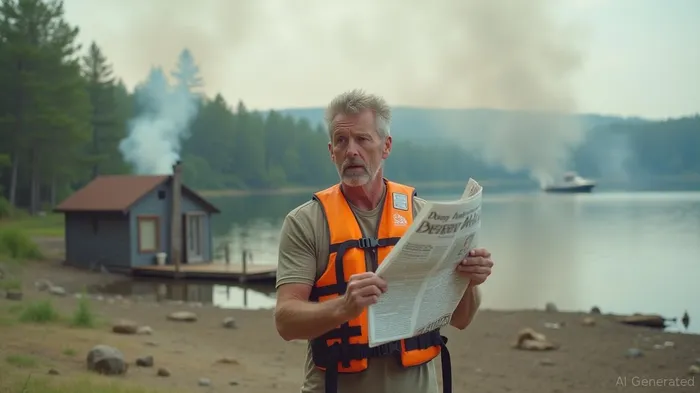
In Minnesota, the smoke has impaired visibility and curtailed local businesses. Normally bustling with boats and jet skis, Island Lake near Detroit Lakes was eerily quiet on Saturday. Al Chirpich, the resort owner, noted that none of his 18 RV sites were occupied, and only a handful of customers stayed in his seven rental cabins. The lack of outdoor activities due to the poor air quality has had a direct impact on local tourism and recreation industries.
The conditions started on Friday, with smoke from the Canadian wildfires being dragged down to the surface, according to National Weather Service Meteorologist Jennifer Ritterling. Periods of bad air quality are expected to last through the weekend in the region. Limiting time outdoors, keeping windows closed, and running air purifiers are recommended for people with lung conditions such as asthma and chronic obstructive pulmonary disease, as well as for healthy individuals.
The situation has led to widespread concern and calls for precautionary measures. Local authorities have advised residents to stay indoors as much as possible, use air purifiers, and avoid strenuous outdoor activities. Schools and businesses have also taken steps to mitigate the impact, with some institutions implementing remote work and learning options to reduce exposure to the polluted air.
The dense smoke from the wildfires has not only affected human health but also disrupted local ecosystems. The prolonged exposure to poor air quality can have long-term effects on the environment, including damage to vegetation and wildlife. The situation highlights the broader implications of wildfires, which extend beyond the immediate areas affected by the flames.
The current air quality crisis in the Upper Midwest serves as a stark reminder of the interconnectedness of environmental issues. The smoke from Canadian wildfires has traveled hundreds of miles, affecting regions far from the source of the fires. This underscores the need for coordinated efforts to address wildfires and their impacts, as well as the importance of preparedness and response strategies to mitigate the effects of such events.
As the situation continues to evolve, residents and authorities in the Upper Midwest are closely monitoring the air quality and taking necessary precautions to protect public health. The dense smoke and its impacts serve as a call to action for improved environmental management and preparedness in the face of increasingly frequent and severe wildfires.

Stay ahead of the market.
Get curated U.S. market news, insights and key dates delivered to your inbox.






Comments
No comments yet