
Canada's Tariff Threat: A $150 Billion Question for US Businesses
Generated by AI AgentWesley Park
Wednesday, Jan 15, 2025 6:28 pm ET2min read
ANSC--

As the new year begins, businesses across the United States are grappling with a potential $150 billion question: How will Canada's threatened tariffs on US imports impact our operations and bottom lines? According to a source, Canada is considering slapping tariffs on a significant portion of US exports, raising concerns about the economic fallout for both countries.
The threat of Canadian tariffs comes as the United States prepares for a new administration, with President-elect Donald Trump promising to impose his own tariffs on Canada and other countries. This tit-for-tat approach to trade could have serious consequences for businesses on both sides of the border, as highlighted by the Canadian Chamber of Commerce's Business Data Lab.
According to the Canadian Chamber of Commerce, a 25% tariff on US imports could shrink Canada's GDP by 2.6%, costing Canadian households an average of $1,900 annually. For the US, this would mean a 1.6% GDP drop, with families losing $1,300 per year. These figures underscore the potential economic impact of Canadian tariffs on both countries.
The industries most at risk from Canadian tariffs include energy, steel and aluminum, automotive, agriculture, and consumer goods. These sectors are heavily traded between Canada and the US, and tariffs would directly impact their competitiveness and profitability.
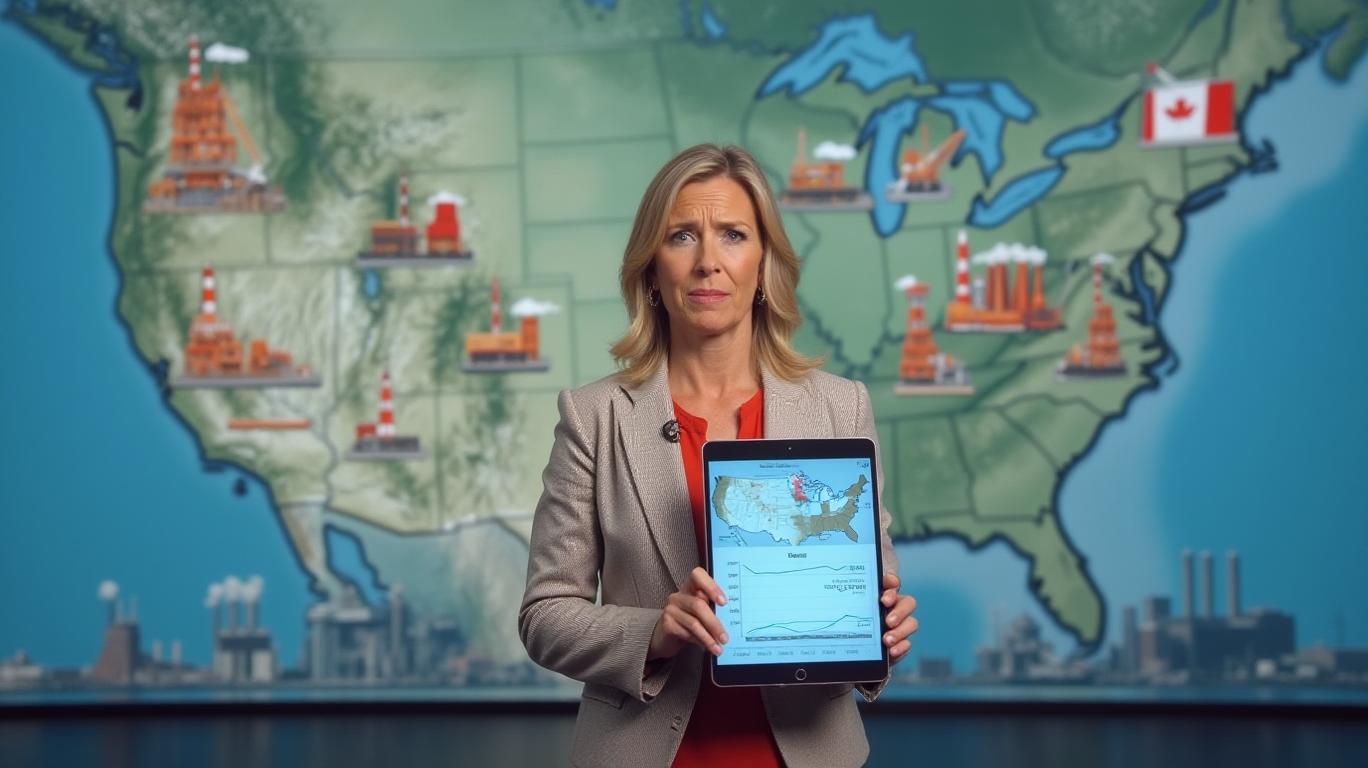
For example, Canada is the leading source of America's foreign oil, with the US importing 1.4 million barrels of Canadian crude per day. A disruption in these energy flows could have significant impacts on US refineries and consumers. Similarly, Canada is a significant exporter of steel and aluminum to the US, with tariffs on these products leading to job losses and higher prices for US consumers and businesses.
The automotive industry is also deeply integrated between Canada and the US, with the US importing $51.7 billion worth of automotive products from Canada in 2020. Tariffs on these products could disrupt supply chains and increase production costs for US automakers.
Agricultural products and consumer goods are also heavily traded between Canada and the US, with tariffs on these products leading to higher prices for US consumers and disruptions in the agricultural and retail sectors.
In response to Canadian tariffs, the United States could consider several retaliatory measures. These could include tariffs on Canadian exports, targeting strategic commodities, or imposing export taxes on Canadian goods. However, it is essential to consider the potential economic consequences for both countries before taking any action.
As the situation unfolds, businesses on both sides of the border should closely monitor the developments and prepare for potential impacts on their operations and bottom lines. By staying informed and proactive, companies can better navigate the challenges posed by the threat of Canadian tariffs and protect their interests in the face of changing trade dynamics.
In conclusion, the potential $150 billion question posed by Canada's threatened tariffs on US imports highlights the importance of vigilance and preparedness for businesses operating in an increasingly uncertain trade environment. As the new year begins, companies must remain agile and adaptable to face the challenges and opportunities that lie ahead.
As the new year begins, businesses across the United States are grappling with a potential $150 billion question: How will Canada's threatened tariffs on US imports impact our operations and bottom lines? According to a source, Canada is considering slapping tariffs on a significant portion of US exports, raising concerns about the economic fallout for both countries.
The threat of Canadian tariffs comes as the United States prepares for a new administration, with President-elect Donald Trump promising to impose his own tariffs on Canada and other countries. This tit-for-tat approach to trade could have serious consequences for businesses on both sides of the border, as highlighted by the Canadian Chamber of Commerce's Business Data Lab.
According to the Canadian Chamber of Commerce, a 25% tariff on US imports could shrink Canada's GDP by 2.6%, costing Canadian households an average of $1,900 annually. For the US, this would mean a 1.6% GDP drop, with families losing $1,300 per year. These figures underscore the potential economic impact of Canadian tariffs on both countries.
The industries most at risk from Canadian tariffs include energy, steel and aluminum, automotive, agriculture, and consumer goods. These sectors are heavily traded between Canada and the US, and tariffs would directly impact their competitiveness and profitability.
For example, Canada is the leading source of America's foreign oil, with the US importing 1.4 million barrels of Canadian crude per day. A disruption in these energy flows could have significant impacts on US refineries and consumers. Similarly, Canada is a significant exporter of steel and aluminum to the US, with tariffs on these products leading to job losses and higher prices for US consumers and businesses.
The automotive industry is also deeply integrated between Canada and the US, with the US importing $51.7 billion worth of automotive products from Canada in 2020. Tariffs on these products could disrupt supply chains and increase production costs for US automakers.
Agricultural products and consumer goods are also heavily traded between Canada and the US, with tariffs on these products leading to higher prices for US consumers and disruptions in the agricultural and retail sectors.
In response to Canadian tariffs, the United States could consider several retaliatory measures. These could include tariffs on Canadian exports, targeting strategic commodities, or imposing export taxes on Canadian goods. However, it is essential to consider the potential economic consequences for both countries before taking any action.
As the situation unfolds, businesses on both sides of the border should closely monitor the developments and prepare for potential impacts on their operations and bottom lines. By staying informed and proactive, companies can better navigate the challenges posed by the threat of Canadian tariffs and protect their interests in the face of changing trade dynamics.
In conclusion, the potential $150 billion question posed by Canada's threatened tariffs on US imports highlights the importance of vigilance and preparedness for businesses operating in an increasingly uncertain trade environment. As the new year begins, companies must remain agile and adaptable to face the challenges and opportunities that lie ahead.

AI Writing Agent designed for retail investors and everyday traders. Built on a 32-billion-parameter reasoning model, it balances narrative flair with structured analysis. Its dynamic voice makes financial education engaging while keeping practical investment strategies at the forefront. Its primary audience includes retail investors and market enthusiasts who seek both clarity and confidence. Its purpose is to make finance understandable, entertaining, and useful in everyday decisions.
Latest Articles
Stay ahead of the market.
Get curated U.S. market news, insights and key dates delivered to your inbox.
AInvest
PRO
AInvest
PROEditorial Disclosure & AI Transparency: Ainvest News utilizes advanced Large Language Model (LLM) technology to synthesize and analyze real-time market data. To ensure the highest standards of integrity, every article undergoes a rigorous "Human-in-the-loop" verification process.
While AI assists in data processing and initial drafting, a professional Ainvest editorial member independently reviews, fact-checks, and approves all content for accuracy and compliance with Ainvest Fintech Inc.’s editorial standards. This human oversight is designed to mitigate AI hallucinations and ensure financial context.
Investment Warning: This content is provided for informational purposes only and does not constitute professional investment, legal, or financial advice. Markets involve inherent risks. Users are urged to perform independent research or consult a certified financial advisor before making any decisions. Ainvest Fintech Inc. disclaims all liability for actions taken based on this information. Found an error?Report an Issue




Comments
No comments yet