
Canada's Renewable Energy & Hydrogen Economy: A Strategic Investment Opportunity
Canada's 2030 emissions reduction targets and aggressive hydrogen strategy are transforming the country into a global leader in clean energy. With abundant renewable resources, supportive policies, and strategic partnerships, Canadian firms and infrastructure projects are poised to attract significant global capital. This article explores the investment opportunities arising from these developments, focusing on clean energy infrastructure, green technology firms, and hydrogen supply chains.
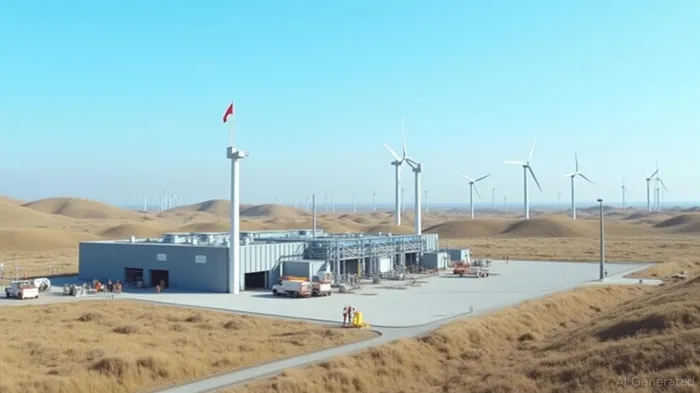
Policy-Driven Momentum
Canada's 2030 Emissions Reduction Plan mandates a 40% cut in greenhouse gas emissions below 2005 levels, with net-zero by 2050. Central to this goal is the Hydrogen Strategy for Canada, which has catalyzed $100+ billion in investments across 80 projects. Key policies fueling this growth include:
- Clean Hydrogen Investment Tax Credit (CHITC): Offering 15–40% tax credits for low-carbon hydrogen projects, the CHITC aims to provide $17.7 billion in tax support by 2035.
- Carbon Pricing: Canada's Output-Based Pricing System will reach $170/tonne by 2030, incentivizing industries to adopt hydrogen for decarbonization.
- Export Agreements: Partnerships with Germany, Japan, and South Korea underpin Canada's ambition to supply 3–4 million tonnes/year of hydrogen to Europe by 2030.
Renewable Resources as a Catalyst
Canada's vast renewable energy potential—wind, solar, hydro, and geothermal—supports green hydrogen production, while its natural gas reserves and carbon capture expertise enable blue hydrogen. This dual advantage positions Canada to meet both domestic and global demand:
- Wind Power: Atlantic Canada's offshore wind farms, such as those in Newfoundland, are critical for green hydrogen production.
- Natural Gas with CCS: Alberta's Edmonton Region Hydrogen Hub, backed by Air Products' $3 billion project, exemplifies blue hydrogen's scalability.
Export Potential and Global Demand
Canada's hydrogen strategy aligns with global decarbonization trends, including the EU's REPowerEU and U.S. Inflation Reduction Act. Key export opportunities include:
- Ammonia Production: Projects like Newfoundland's Come By Chance refinery aim to export low-carbon ammonia to Asia and Europe.
- Hydrogen Purchase Agreements: A Canada-Germany Bilateral Window under H2Global will secure demand for Canadian hydrogen, supported by tax incentives and infrastructure funding.
Investment Themes for 2025 and Beyond
1. Clean Energy Infrastructure
Invest in firms developing renewable energy projects (wind/solar farms) and hydrogen storage/transport infrastructure. Key players include:
- Fortis Inc. (FTS): A leader in regulated utilities and renewable energy infrastructure.
- Brookfield Renewable Partners (BEP.UN): Specializes in hydroelectric and wind energy.
2. Green Technology Firms
Focus on companies manufacturing electrolyzers, fuel cells, and carbon capture equipment:
- Ballard Power Systems (BLDP): A global leader in hydrogen fuel cell technology.
- Hydrogenious LOHC Technologies (Germany-based but active in Canada): Innovating in hydrogen storage solutions.
3. Hydrogen Supply Chains
Target companies involved in production, logistics, and export infrastructure:
- Air Products & Chemicals (APD): Leading the $3 billion Edmonton hydrogen project.
- Cenovus Energy (CVE): Leveraging Alberta's oil/gas expertise for hydrogen blending in refineries.
4. Infrastructure Funds and ETFs
Consider sector-specific ETFs for diversified exposure:
- iShares Global Clean Energy ETF (ICLN): Tracks global clean energy companies, including Canadian firms.
- S&P/TSX Capped Energy Index: Reflects Canada's broader energy transition.
Risk Considerations
While Canada's hydrogen economy is promising, challenges remain:
- Project Execution: Scaling up from pilot projects to commercial scale requires sustained investment and regulatory alignment.
- Global Competition: The U.S. IRA and EU subsidies may pressure Canadian firms to innovate faster.
- Supply Chain Bottlenecks: Electrolyzer shortages and equipment costs could delay timelines.
Conclusion
Canada's blend of policy support, renewable resources, and export-ready infrastructure makes it a standout investment destination in the clean energy transition. Investors should prioritize long-term allocations to firms with exposure to green hydrogen production, renewable energy, and carbon capture technologies. With global demand surging and supportive tax regimes in place, now is the time to capitalize on Canada's green horizon.
Data queries provided are illustrative. Always conduct thorough due diligence before making investment decisions.

Stay ahead of the market.
Get curated U.S. market news, insights and key dates delivered to your inbox.


AInvest
PRO
AInvest
PRO



Comments
No comments yet