
Canada's PM Carney: Strategic Sectors May Require Smaller Deals with U.S. Amid Ongoing Talks
ByAinvest
Friday, Sep 5, 2025 2:27 pm ET2min read
F--
Policy Rollbacks and Tariff Pressures
Canada's delay in zero-emission vehicle (ZEV) sales targets, from 20% by 2026 to an unspecified timeline, has led to a 7.5% decline in EV sales in April 2025 [1]. This delay, following intense lobbying from automakers, has forced automakers to either purchase costly compliance credits or restrict internal combustion engine (ICE) vehicle sales, straining margins [2]. The expiration of the iZEV program, which previously offered up to $5,000 in EV purchase incentives, has exacerbated this decline [3].
The U.S. imposition of 35% tariffs on Canadian goods and extended steel/aluminum tariffs has raised production costs for Canadian automakers by 4%–8% by year-end [4]. This escalation, which has affected major players like GM and Ford, has potential price hikes and supply chain disruptions [5]. The U.S. Commerce Department's "import adjustment offset" provides temporary relief, but long-term structural risks remain [6].
Strategic Recalibrations and Capital Allocation
Canadian automakers are pivoting to mitigate these pressures. A landmark $5 billion investment by LG Energy Solution and Stellantis in a domestic EV battery plant underscores the sector's focus on vertical integration and supply chain resilience [7]. Similarly, Volkswagen PowerCo and NextStar Energy are leveraging Canada's Strategic Innovation Fund to bolster battery production [8]. These investments align with broader goals to reduce reliance on U.S. and Chinese suppliers, which face heightened tariffs and geopolitical risks [9].
However, capital allocation is not without trade-offs. Volkswagen, for instance, has allocated one-third of its 2025 budget to ICE platforms while prioritizing electrification and digitalization [10]. This hybrid strategy reflects the sector's attempt to balance short-term profitability with long-term decarbonization goals. Meanwhile, partnerships with Chinese EV manufacturers are becoming critical for legacy automakers to remain competitive [11].
Risk Assessment and Investment Implications
For EV credit providers, the 2025 policy and tariff environment necessitates a recalibration of risk assessment frameworks. Under Canada's Capital Adequacy Requirements (CAR) 2026, institutions are adopting the Internal Ratings-Based (IRB) Approach to model credit risk, incorporating metrics like probability of default (PD) and loss given default (LGD) [12]. This shift is driven by the sector's volatility: rising vehicle prices and potential defaults due to inflationary pressures [13].
Investors face dual challenges: $65 billion in EV charging infrastructure opportunities versus tariff-driven supply chain risks and credit diversification needs in 2025-2040 [14]. Key opportunities include investments in EV charging infrastructure and strategic partnerships with Chinese EV manufacturers. Conversely, risks include tariff volatility and the need for credit risk diversification [15].
Conclusion
The Canadian auto sector's 2025 landscape is defined by duality: a push toward electrification and domestic resilience, tempered by the drag of U.S. tariffs and policy rollbacks. For investors, success hinges on strategic agility—allocating capital to infrastructure and partnerships while hedging against regulatory and trade uncertainties. As the sector navigates this crossroads, those who balance innovation with prudence will be best positioned to capitalize on the opportunities ahead.
References
[1] https://www.bloomberg.com/news/articles/2025-09-05/canada-to-stall-electric-vehicle-rules-as-carney-seeks-to-boost-auto-sector
[2] https://www.cbc.ca/news/politics/electric-vehicle-mandate-doomed-1.7577811
[3] https://driving.ca/column/driving-by-numbers/10-evs-declining-sales-canada-2025
[4] https://tc.canada.ca/en/road-transportation/innovative-technologies/zero-emission-vehicles/incentives-zero-emission-vehicles/questions-answers
[5] https://www.theglobeandmail.com/business/commentary/article-canada-auto-industry-tariffs-ev-mandates/
[6] https://www.doanegrantthornton.ca/insights/how-new-tariffs-could-affect-canadian-businesses/
[7] https://www.canada.ca/en/innovation-science-economic-development/news/2022/03/government-of-canada-welcomes-largest-investment-in-canadas-auto-industry-with-the-first-large-scale-domestic-ev-battery-manufacturing-facility.html
[8] https://ised-isde.canada.ca/site/planning-performance-reporting/en/departmental-plans/innovation-science-and-economic-development-canadas-2024-2025-departmental-plan
[9] https://www.dentons.com/en/insights/articles/2025/january/23/trends-and-challenges-shaping-the-automotive-industry-in-2025
[10] https://www.pwc.com/us/en/industries/industrial-products/library/automotive-industry-trends.html
[11] https://www.osfi-bsif.gc.ca/en/guidance/guidance-library/capital-adequacy-requirements-car-2026-chapter-5-credit-risk-internal-ratings-based-approach
[12] https://www.automotive-fleet.com/10245772/how-are-tariffs-affecting-auto-industry
[13] https://www.assurant.com/news-insight/insights/automotive-industry/article/impact-of-automotive-tariffs-in-2025
[14] https://www.pwc.com/ca/en/services/tax/publications/tax-insights/us-impose-tariffs-automobiles-parts-2025.html
GM--
STLA--
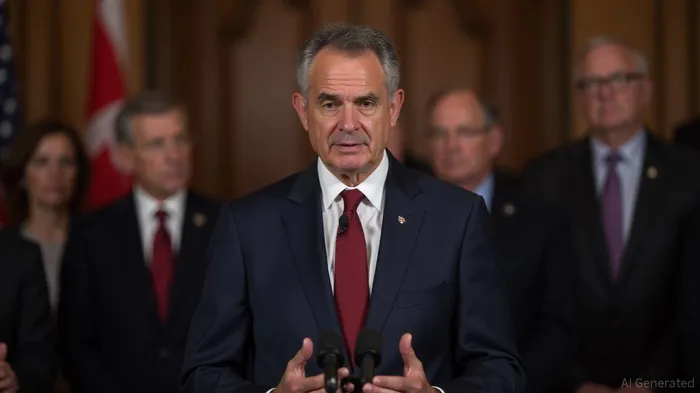
Canadian Prime Minister Mark Carney stated that several strategic sectors, including auto, forestry, steel, and aluminum, face a unique "tariff regime" with the US and may require separate deals. However, overall talks between Canada and the US will continue.
The Canadian auto sector is undergoing significant changes in 2025, driven by a complex interplay of policy rollbacks, U.S. tariff escalations, and evolving market dynamics. Prime Minister Mark Carney's strategic reassessment of the sector's exposure to these factors has sparked a seismic shift, requiring investors to reassess their capital allocation and risk management strategies.Policy Rollbacks and Tariff Pressures
Canada's delay in zero-emission vehicle (ZEV) sales targets, from 20% by 2026 to an unspecified timeline, has led to a 7.5% decline in EV sales in April 2025 [1]. This delay, following intense lobbying from automakers, has forced automakers to either purchase costly compliance credits or restrict internal combustion engine (ICE) vehicle sales, straining margins [2]. The expiration of the iZEV program, which previously offered up to $5,000 in EV purchase incentives, has exacerbated this decline [3].
The U.S. imposition of 35% tariffs on Canadian goods and extended steel/aluminum tariffs has raised production costs for Canadian automakers by 4%–8% by year-end [4]. This escalation, which has affected major players like GM and Ford, has potential price hikes and supply chain disruptions [5]. The U.S. Commerce Department's "import adjustment offset" provides temporary relief, but long-term structural risks remain [6].
Strategic Recalibrations and Capital Allocation
Canadian automakers are pivoting to mitigate these pressures. A landmark $5 billion investment by LG Energy Solution and Stellantis in a domestic EV battery plant underscores the sector's focus on vertical integration and supply chain resilience [7]. Similarly, Volkswagen PowerCo and NextStar Energy are leveraging Canada's Strategic Innovation Fund to bolster battery production [8]. These investments align with broader goals to reduce reliance on U.S. and Chinese suppliers, which face heightened tariffs and geopolitical risks [9].
However, capital allocation is not without trade-offs. Volkswagen, for instance, has allocated one-third of its 2025 budget to ICE platforms while prioritizing electrification and digitalization [10]. This hybrid strategy reflects the sector's attempt to balance short-term profitability with long-term decarbonization goals. Meanwhile, partnerships with Chinese EV manufacturers are becoming critical for legacy automakers to remain competitive [11].
Risk Assessment and Investment Implications
For EV credit providers, the 2025 policy and tariff environment necessitates a recalibration of risk assessment frameworks. Under Canada's Capital Adequacy Requirements (CAR) 2026, institutions are adopting the Internal Ratings-Based (IRB) Approach to model credit risk, incorporating metrics like probability of default (PD) and loss given default (LGD) [12]. This shift is driven by the sector's volatility: rising vehicle prices and potential defaults due to inflationary pressures [13].
Investors face dual challenges: $65 billion in EV charging infrastructure opportunities versus tariff-driven supply chain risks and credit diversification needs in 2025-2040 [14]. Key opportunities include investments in EV charging infrastructure and strategic partnerships with Chinese EV manufacturers. Conversely, risks include tariff volatility and the need for credit risk diversification [15].
Conclusion
The Canadian auto sector's 2025 landscape is defined by duality: a push toward electrification and domestic resilience, tempered by the drag of U.S. tariffs and policy rollbacks. For investors, success hinges on strategic agility—allocating capital to infrastructure and partnerships while hedging against regulatory and trade uncertainties. As the sector navigates this crossroads, those who balance innovation with prudence will be best positioned to capitalize on the opportunities ahead.
References
[1] https://www.bloomberg.com/news/articles/2025-09-05/canada-to-stall-electric-vehicle-rules-as-carney-seeks-to-boost-auto-sector
[2] https://www.cbc.ca/news/politics/electric-vehicle-mandate-doomed-1.7577811
[3] https://driving.ca/column/driving-by-numbers/10-evs-declining-sales-canada-2025
[4] https://tc.canada.ca/en/road-transportation/innovative-technologies/zero-emission-vehicles/incentives-zero-emission-vehicles/questions-answers
[5] https://www.theglobeandmail.com/business/commentary/article-canada-auto-industry-tariffs-ev-mandates/
[6] https://www.doanegrantthornton.ca/insights/how-new-tariffs-could-affect-canadian-businesses/
[7] https://www.canada.ca/en/innovation-science-economic-development/news/2022/03/government-of-canada-welcomes-largest-investment-in-canadas-auto-industry-with-the-first-large-scale-domestic-ev-battery-manufacturing-facility.html
[8] https://ised-isde.canada.ca/site/planning-performance-reporting/en/departmental-plans/innovation-science-and-economic-development-canadas-2024-2025-departmental-plan
[9] https://www.dentons.com/en/insights/articles/2025/january/23/trends-and-challenges-shaping-the-automotive-industry-in-2025
[10] https://www.pwc.com/us/en/industries/industrial-products/library/automotive-industry-trends.html
[11] https://www.osfi-bsif.gc.ca/en/guidance/guidance-library/capital-adequacy-requirements-car-2026-chapter-5-credit-risk-internal-ratings-based-approach
[12] https://www.automotive-fleet.com/10245772/how-are-tariffs-affecting-auto-industry
[13] https://www.assurant.com/news-insight/insights/automotive-industry/article/impact-of-automotive-tariffs-in-2025
[14] https://www.pwc.com/ca/en/services/tax/publications/tax-insights/us-impose-tariffs-automobiles-parts-2025.html
Stay ahead of the market.
Get curated U.S. market news, insights and key dates delivered to your inbox.
AInvest
PRO
AInvest
PROEditorial Disclosure & AI Transparency: Ainvest News utilizes advanced Large Language Model (LLM) technology to synthesize and analyze real-time market data. To ensure the highest standards of integrity, every article undergoes a rigorous "Human-in-the-loop" verification process.
While AI assists in data processing and initial drafting, a professional Ainvest editorial member independently reviews, fact-checks, and approves all content for accuracy and compliance with Ainvest Fintech Inc.’s editorial standards. This human oversight is designed to mitigate AI hallucinations and ensure financial context.
Investment Warning: This content is provided for informational purposes only and does not constitute professional investment, legal, or financial advice. Markets involve inherent risks. Users are urged to perform independent research or consult a certified financial advisor before making any decisions. Ainvest Fintech Inc. disclaims all liability for actions taken based on this information. Found an error?Report an Issue




Comments
No comments yet