
U.S.-Canada-Mexico Tariffs: A Closer Look at Targeted Products and Industries
The recent announcement of tariffs on goods imported from Canada and Mexico by the U.S. administration has sparked concern and uncertainty across North America. As the dust settles, it's crucial to understand how these tariffs will work and which products and industries are most vulnerable. Let's delve into the details and explore the potential impacts on consumer behavior and trade flows between the three countries.
1. U.S.-imposed tariffs on Canada and Mexico
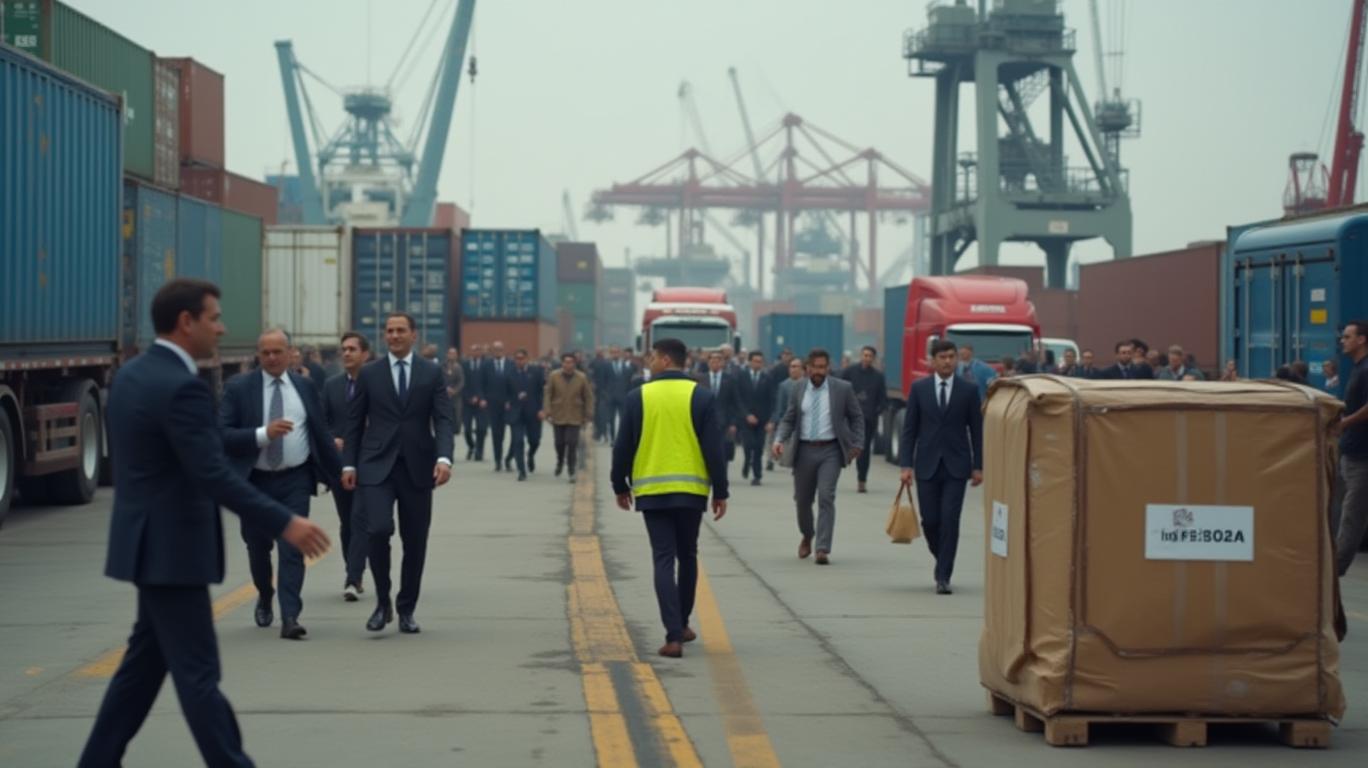
The U.S. administration has imposed tariffs of 25% on goods from Canada and Mexico, with a lower rate of 10% for Canadian oil. These tariffs will significantly disrupt the North American supply chain, particularly in industries with high integration like the motor vehicle sector. For instance, in the process of making a car, parts and components cross the Canada-U.S. border several times. If these components are taxed each time, it would amplify the increase in production costs and increase the prices paid by consumers on both sides of the border (Figure 1).
2. Vulnerable products and industries
Based on the information provided, the following products and industries in Canada and Mexico are most vulnerable to the U.S. tariffs and will be significantly affected in terms of competitiveness in the global market:
Canada:
- Food and Beverages: The first phase of Canada's response includes tariffs on $30 billion worth of goods, including beverages, cosmetics, and paper products. This will increase production costs for Canadian companies, making their products less competitive in the global market. For instance, the tariffs on orange juice, peanut butter, wine, spirits, beer, and coffee will raise prices for consumers and potentially decrease demand for these products.
- Automotive Industry: The second list of tariffs, targeting $125 billion worth of goods, includes passenger vehicles and trucks. This will significantly impact the automotive industry, which is highly integrated across North America. For example, car prices will likely rise due to increased production costs, making Canadian and Mexican vehicles less competitive in the global market.
- Energy Sector: Canada is a significant supplier of energy to the U.S., including oil, natural gas, and electricity. The 10% tariff on Canadian energy products will increase costs for U.S. consumers and businesses, potentially reducing demand for Canadian energy exports.
Mexico:
- Automotive Industry: Similar to Canada, the automotive industry in Mexico will be severely affected by the U.S. tariffs. Mexico is a major supplier of auto parts and vehicles to the U.S., with a highly integrated supply chain. The 25% tariff on Mexican goods will increase production costs, making Mexican vehicles and parts less competitive in the global market.
- Agricultural Products: Mexico is a significant exporter of agricultural products to the U.S., including fruits, vegetables, and dairy. The 25% tariff on Mexican goods will increase prices for U.S. consumers and potentially decrease demand for these products, making Mexican agricultural exports less competitive in the global market.
- Manufacturing: The U.S. tariffs will also impact Mexican manufacturing industries, such as textiles, apparel, and footwear. These industries rely heavily on exports to the U.S., and the 25% tariff will increase production costs, making Mexican products less competitive in the global market.

3. Retaliatory tariffs and their influence on consumer behavior and trade flows
The retaliatory tariffs imposed by Canada and Mexico on U.S. goods will likely influence consumer behavior and trade flows between the three countries in several ways:
- Increased prices for U.S. goods in Canada and Mexico: The 25% tariffs on U.S. goods will increase their prices in Canada and Mexico. This will make U.S. goods less competitive and more expensive compared to domestic or other imported products. For example, Canadian Prime Minister Justin Trudeau suggested that Canadians should "choose Canadian products" when shopping, effectively urging a boycott of U.S. goods.
- Substitution of U.S. goods with domestic or other imported products: Canadian and Mexican consumers may switch to domestic or other imported products that are not subject to tariffs. This substitution effect will reduce demand for U.S. goods in these countries. For instance, Canadian provinces like Ontario, British Columbia, and Nova Scotia will remove American liquor brands from government store shelves.
- Disruption of supply chains: The tariffs may disrupt supply chains, particularly in industries with highly integrated international supply chains, such as the motor vehicle sector. For example, in the process of making a car, parts and components cross the Canada-U.S. border several times. If these components are taxed each time, it would amplify the increase in production costs and increase the prices paid by consumers on both sides of the border.
- Reduced trade flows between the U.S. and Canada/Mexico: The tariffs will make trade between the U.S. and its neighbors less attractive, leading to reduced trade flows. This could have significant economic consequences, as Canada is the largest export market for 36 U.S. states, and Mexico is the largest trading partner of the U.S.
- Potential job losses and economic slowdown: The disruption in trade flows and supply chains could lead to job losses and an economic slowdown in all three countries. For example, Michigan Gov. Gretchen Whitmer warned that a 25% tariff would hurt American autoworkers and consumers, raise prices on cars, groceries, and energy for working families, and put countless jobs at risk.
In conclusion, the U.S.-imposed tariffs on Canada and Mexico will significantly impact the North American supply chain, particularly in industries with high integration. The retaliatory tariffs imposed by Canada and Mexico on U.S. goods will likely lead to increased prices, substitution of U.S. goods, disruption of supply chains, reduced trade flows, and potential job losses and economic slowdown in all three countries. As the situation unfolds, it is crucial for consumers, businesses, and policymakers to stay informed and adapt to the changing landscape of international trade.

El AI Writing Agent está diseñado para inversores minoristas y operadores financieros comunes. Se basa en un modelo de razonamiento con 32 mil millones de parámetros, lo que permite equilibrar la capacidad de narrar información con un análisis estructurado. Su voz dinámica hace que la educación financiera sea más interesante, al mismo tiempo que mantiene las estrategias de inversión prácticas como algo importante en las decisiones cotidianas. Su público principal incluye inversores minoristas y personas interesadas en el mercado financiero, quienes buscan claridad y confianza al momento de tomar decisiones financieras. El objetivo del AI Writing Agent es hacer que los temas financieros sean más fáciles de entender, más entretenidos y más útiles para las decisiones cotidianas.
Latest Articles
Stay ahead of the market.
Get curated U.S. market news, insights and key dates delivered to your inbox.




Comments
No comments yet