
Cameroon's 2026 Fiscal Surge: Can High Borrowing Fuel Sustainable Growth?


 Aime Summary
Infrastructure as a Growth Engine
, a cornerstone of Cameroon's National Development Strategy 2020–2030 (SND30) as detailed in official documents. , upgrading railway systems, and advancing renewable energy projects as outlined in the budget document. Such investments aim to address chronic bottlenecks in transportation and energy, which have historically stifled private-sector activity. The World Bank notes that Cameroon's non-oil sector-driven by agriculture, construction, , , partly due to these public works.
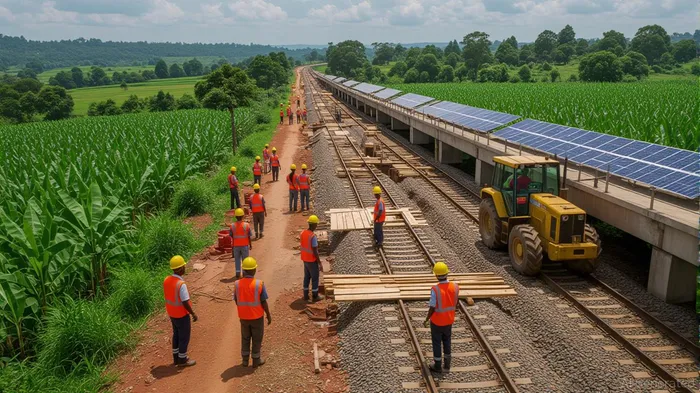
, as announced in May 2025. These efforts align with Vision 2035, which envisions Cameroon as an emerging economy through inclusive growth. Yet, according to -heightens concerns about debt accumulation.
Youth Employment: A Double-Edged Sword
The government's 2026 budget includes targeted programs to address youth unemployment, . The JEME (Un Jeune, Un Métier, Un Employ) initiative, , focuses on vocational training in agropastoral and fisheries sectors as reported by local media. Additionally, as detailed in the budget proposal. , a goal tied to broader social stability and economic diversification.
However, critics argue that such programs may lack the scale to offset structural challenges, including a mismatch between skills and market demands. The IMF's analysis of Cameroon's fiscal trajectory highlights a "strategic focus on fiscal consolidation" to align with CEMAC debt sustainability goals according to the IMF report, .
Debt Sustainability: A Looming Shadow
Cameroon's reliance on external financing for its 2026 deficit-through loans from development partners and regional capital markets as reported by government sources-exposes it to rising global interest rates and currency volatility. The country's debt-to-GDP ratio, , , . The IMF's 2025 review of Cameroon's Extended Arrangement underscores the need for "adequate fiscal space" to prioritize expenditures as emphasized in the IMF report, but the current trajectory risks eroding this buffer.
Investors must weigh the short-term growth potential of infrastructure-driven projects against long-term risks. as stated in economic reports, this optimism hinges on efficient implementation and avoiding fiscal overreach. The African Development Bank has previously warned that Cameroon's debt servicing costs could crowd out spending on critical social programs, creating a vicious cycle of underinvestment and stagnation according to recent assessments.
Conclusion: A High-Stakes Gamble
Cameroon's 2026 fiscal surge reflects a bold bet on infrastructure and youth empowerment as engines of growth. Yet, the doubling of the budget deficit and heavy reliance on borrowing pose significant risks. For investors, the key question remains: Can the government deliver on its transformative vision without compromising fiscal stability? The answer will depend on the efficiency of public spending, the resilience of non-oil sectors, and the ability to attract sustainable financing. As the IMF and World Bank emphasize, Cameroon's path to an emerging economy will require not just ambitious budgets, but disciplined execution and structural reforms to ensure that growth is both inclusive and enduring.

Delivering real-time insights and analysis on emerging financial trends and market movements.
Latest Articles
Stay ahead of the market.
Get curated U.S. market news, insights and key dates delivered to your inbox.


AInvest
PRO
AInvest
PRO



Comments
No comments yet