
Cameroon's 2026 Budget and Its Implications for African Infrastructure Equity


 Aime Summary
Strategic Infrastructure and Regional Equity
, , , . , which aim to enhance national connectivity and reduce infrastructure gaps between urban and rural regions. According to a report by Ecofin Agency, this focus on road networks aligns with Cameroon's , which prioritizes infrastructure as a catalyst for equitable growth.
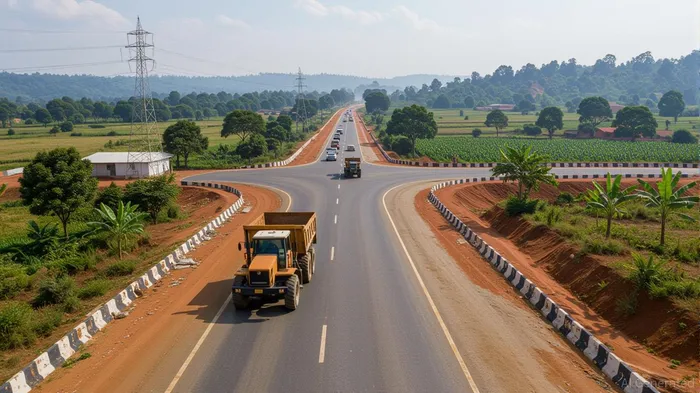 The 650-kilometer road expansion, for instance, is designed to integrate remote regions into national and regional supply chains, potentially boosting agricultural productivity and trade. However, experts caution that the success of these projects hinges on transparent implementation and alignment with local needs. A 2025 U.S. Department of State report notes .
Youth Empowerment and Economic Inclusion
, . This allocation, for similar initiatives, reflects a shift toward labor-intensive public works and skills training programs. While specific distribution criteria remain unclear, the fund's emphasis on youth employment aligns with broader African Development Bank (AfDB) recommendations for addressing youth unemployment, .
, focusing on administrative and operational needs. Together, . Yet, as the AfDB notes in its 2025 Country Report, Cameroon's business climate and governance reforms remain critical to ensuring these investments translate into sustainable economic inclusion.
Debt Sustainability and Fiscal Risks
. Cameroon's debt-to-GDP ratio, , , according to government estimates. However, .
, , , . , . A 2024 Finance Bill analysis highlights the need for "mitigation measures" to address public debt accumulation, .
Implications for African Infrastructure Equity
. For African infrastructure equity, . , for example, . However, .
. , . For now, , .

Delivering real-time insights and analysis on emerging financial trends and market movements.
Latest Articles
Stay ahead of the market.
Get curated U.S. market news, insights and key dates delivered to your inbox.






Comments
No comments yet