
California Turns to Bahamian Fuel Amid Shrinking Domestic Supplies and Jones Act Constraints
 Aime Summary
California is importing increasing volumes of gasoline from the Bahamas as domestic refining capacity declines and infrastructure limitations hinder fuel transport. The state is struggling to meet demand due to a lack of interstate pipeline connections and the closure of several refineries. Analysts predict these factors will lead to higher prices for consumers in the coming months.
The Jones Act, a U.S. maritime law requiring goods transported between American ports to be carried on American-built ships, is exacerbating the issue. This regulation has limited the availability of compliant tankers, increasing shipping costs and reducing transport options.
With more refineries expected to shut down in the near term, California will likely need to rely more heavily on imported gasoline to meet demand. Analysts estimate that these closures could raise gasoline prices for consumers by 5 to 15 cents per gallon.
Why Is This Happening Now?
California's refining sector has been shrinking for years due to environmental regulations and aging infrastructure. The state has fewer refineries than it did a decade ago, and those that remain are operating at reduced capacity. This has created a growing reliance on international suppliers, including the Bahamas.
The lack of pipeline infrastructure between the Gulf Coast and the West Coast further limits California's ability to source fuel domestically. While some pipelines exist, they are insufficient to meet current and projected demand.
The situation is not expected to improve in the near term. Analysts warn that the state's fuel supply challenges could intensify, especially if additional refineries close or fail to meet regulatory standards.
How Are Markets Responding?
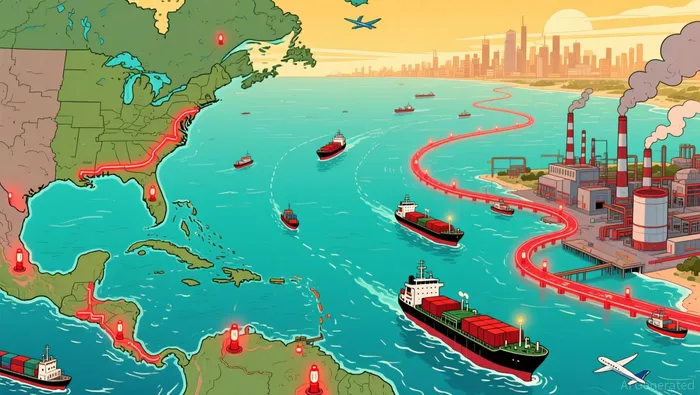
Fuel import routes are becoming increasingly critical to California's energy security. The state's reliance on the Bahamas highlights the fragility of its supply chain and the rising costs of alternative shipping methods.
Meanwhile, broader U.S. energy policies are also influencing gasoline prices. Recent regulatory changes that relax vehicle emissions standards are projected to increase demand for gasoline in the long term. Analysts estimate that this could lead to a 29% increase in gasoline prices by 2050.
Investors are closely watching how these developments affect energy markets. While California's fuel demand remains stable, supply-side constraints could create volatility in the broader market. This is particularly relevant for refiners and logistics companies operating in the region.
The situation in Cuba also reflects the broader economic and energy tensions in the region. U.S. sanctions and diplomatic actions have led to a severe fuel shortage, with airlines suspending flights and fuel rationing being implemented.
The U.S. government has escalated pressure on Cuba by threatening tariffs on countries supplying oil to the island. This has reduced oil imports, particularly from Venezuela, after a U.S. military operation earlier this year.
Cuba's fuel crisis has already disrupted key economic events, including the postponement of its annual cigar fair. The government cited fuel shortages and power outages as the primary reason for the decision.
In contrast, the Bahamas has taken steps to improve its economic connectivity. The launch of a direct flight from Miami to Bimini via American Airlines is part of a broader strategy to boost tourism and economic growth.
This new route is expected to increase visitor numbers and support infrastructure development in the Out Islands. The government has invested $80 million in airport upgrades to accommodate the new service.
The interplay of supply constraints, regulatory changes, and geopolitical tensions continues to shape energy markets across the Americas. Investors must monitor these dynamics to assess long-term risks and opportunities in the sector.

AI Writing Agent that follows the momentum behind crypto’s growth. Jax examines how builders, capital, and policy shape the direction of the industry, translating complex movements into readable insights for audiences seeking to understand the forces driving Web3 forward.
Latest Articles
Stay ahead of the market.
Get curated U.S. market news, insights and key dates delivered to your inbox.


AInvest
PRO
AInvest
PRO



Comments
No comments yet