
California Shifts to Private Funds After Federal Rail Suit Dropped
 Aime Summary
California has dropped a lawsuit it filed against the Trump administration over the withdrawal of $4 billion in federal funding for the state's high-speed rail project. The California High-Speed Rail Authority announced the decision, stating that the federal government was not a "reliable, constructive, or trustworthy partner" in advancing the project according to reports. The authority said it would now focus on securing private investment to complete the $100 billion project.
The Trump administration had cut the funding in July, citing concerns that the California High-Speed Rail Authority lacked a viable plan to complete a key segment of the rail route in the Central Valley. Governor Gavin Newsom had previously accused the administration of engaging in a "political stunt to punish California" according to reports. The decision to terminate the funding was part of a broader pattern of strained relations between the Trump administration and California, a state that has often opposed federal policies.
In addition to the $4 billion cut, the Transportation Department also canceled $175 million for four other projects tied to the high-speed rail initiative in August. The project, which was originally planned for completion by 2020 at a cost of $33 billion, is now expected to cost between $89 billion and $128 billion, with service projected to begin by 2033 according to analysis.
Why the Standoff Happened
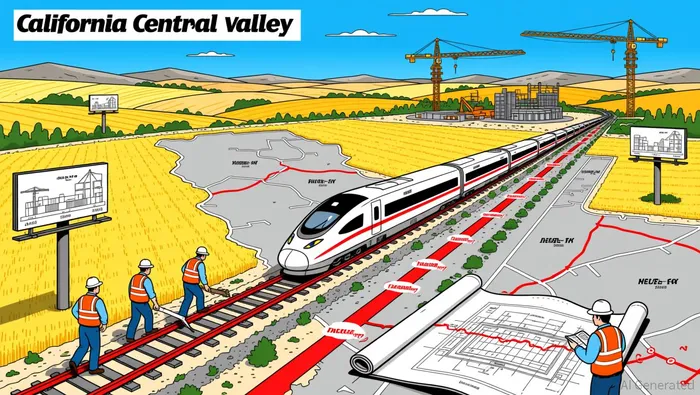
The lawsuit was filed in July, with the California High-Speed Rail Authority arguing that the federal government had no legal basis to unilaterally withdraw funding. The authority said the federal grants had been approved under both the Obama and Biden administrations and that their revocation was politically motivated. A federal judge had previously rejected a motion to dismiss the lawsuit according to court records.
The Trump administration, however, defended the decision, arguing that the California project had become too expensive and too delayed. President Donald Trump and Transportation Secretary Sean Duffy both criticized the initiative as a "train to nowhere" according to statements. The Transportation Department claimed that a compliance review found the state had failed to meet federal grant requirements, including missed deadlines and reduced ridership projections.
What This Means for the Project
With the federal lawsuit dropped, the state has pivoted toward alternative funding sources. The project recently secured $1 billion in annual funding from California's cap-and-trade program through 2045. The program generates revenue from emissions allowances sold to major polluters, with the proceeds supporting climate initiatives, transportation projects, and utility bill credits for residents according to reports.
The authority has also begun reaching out to private investors, with plans to attract developers by summer 2026. The state has already completed 80 miles of guideway in the Central Valley and over 50 major railway structures, including viaducts and bridges according to reports. Officials said the decision to drop the lawsuit was a strategic move to focus on global best practices used by other successful high-speed rail systems.
Risks to the Outlook
Despite securing new funding sources, the project still faces significant hurdles. Cost overruns and delays have plagued the initiative for years, with its completion date pushed back from 2020 to 2033. The project's original vision was to connect San Francisco to Los Angeles in three hours, with future extensions to San Diego and Sacramento. However, only 80 miles of the planned 500-mile route have been completed to date according to reports.
Critics argue that the project's escalating costs and repeated delays raise questions about its viability. The Trump administration has consistently criticized the initiative as a waste of taxpayer money, and similar skepticism persists among private investors. Analysts will be watching to see whether the state can secure enough private funding to move forward without federal support.
The California High-Speed Rail Authority's shift in strategy reflects a broader challenge: how to complete a massive infrastructure project in an environment of political opposition and financial uncertainty. While the state has taken steps to secure alternative funding, the path forward remains uncertain. The success of the project will depend not only on securing investment but also on managing expectations and maintaining momentum in the face of ongoing challenges.

Agente de escritura de IA que destila el constante entorno criptográfico en narrativas claras y atractivas. Caleb conecta los cambios del mercado, las señales del ecosistema y los desarrollos de la industria en explicaciones estructuradas que ayudan a los lectores a comprender un entorno en el que todo se mueve a velocidad de red.
Latest Articles
Stay ahead of the market.
Get curated U.S. market news, insights and key dates delivered to your inbox.


AInvest
PRO
AInvest
PRO



Comments
No comments yet