
California Passes Bill Regulating Unclaimed Crypto Assets
California’s lower house has passed a comprehensive bill aimed at regulating cryptocurrency payments and managing unclaimed digital assets. The legislation, known as Assembly Bill (AB) 1052, was approved unanimously by the California State Assembly on June 3. This bill introduces significant changes to how the state handles unclaimed crypto holdings and expands the acceptance of cryptocurrency as a form of payment.
The bill mandates that cryptocurrency be subject to the state’s unclaimed property laws. If a user has not accessed their exchange account for three years, the state can take possession of the crypto assets. This period of inactivity is defined by the absence of any "act of ownership interest," such as making a transaction, depositing or withdrawing funds, or accessing the account. The bill also allows individuals and businesses in California to accept crypto as a form of payment for goods, services, and private transactions.
The legislation now moves to the California Senate, where it could be modified, rejected, or passed on to Governor Gavin Newsom for his signature or veto. If enacted, the law will come into effect on July 1, 2026, and will prohibit anyone without an exemption from engaging in digital financial asset business activities unless licensed by the Department of Financial Protection and Innovation.
Reactions to the new legislation have been mixed. Critics argue that the bill represents an overreach of government power, while supporters see it as a necessary step to update unclaimed property laws. Eric Peterson, a policy director at the pro-Bitcoin nonprofit organization Satoshi Action Fund, clarified that the bill aims to update unclaimed property laws so that crypto assets remain in their original form when turned over to the state. This means that users can reclaim their Bitcoin in its native form rather than having it liquidated.
Peterson explained that instead of selling the Bitcoin after three years of inactivity, custodians must transfer the actual BTC to a licensed custodian selected by the state. The Bitcoin is held in its native form, not converted to dollars. This approach is similar to existing laws for inactive bank accounts and brokerage accounts, and it does not affect users who have opted to self-custody their crypto.
Dennis Porter, the founder of the Satoshi Action Fund, emphasized the need to fix the broken process in many states regarding unclaimed property laws. Hailey Lennon, a former regulatory counsel at a crypto exchange, noted that most states already have unclaimed property laws that exchanges comply with, and these assets are returned to the owner when they reach out to the state.
In summary, California’s move to regulate unclaimed crypto assets and expand the acceptance of cryptocurrency payments is a significant step in the state’s efforts to integrate digital currencies into its financial system. The legislation aims to ensure that unclaimed crypto assets are managed responsibly and transparently, while also providing clear guidelines for the use of cryptocurrency in various transactions. The bill’s passage reflects California’s commitment to staying at the forefront of financial innovation and regulation. 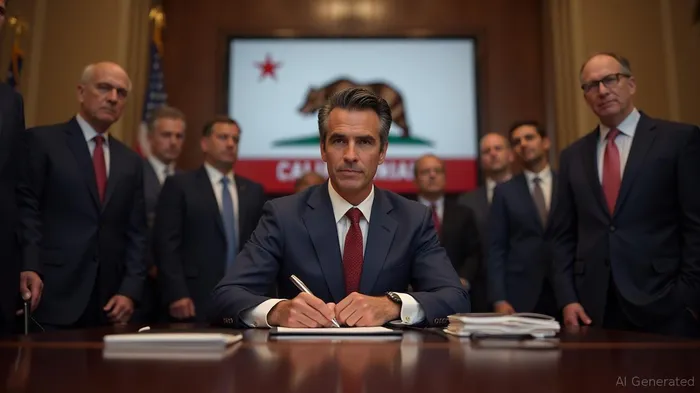

Stay ahead of the market.
Get curated U.S. market news, insights and key dates delivered to your inbox.






Comments
No comments yet