
California lawmaker introduces bill to oversee artificial intelligence firms
ByAinvest
Tuesday, Jul 8, 2025 11:00 pm ET1min read
California lawmaker introduces bill to oversee artificial intelligence firms
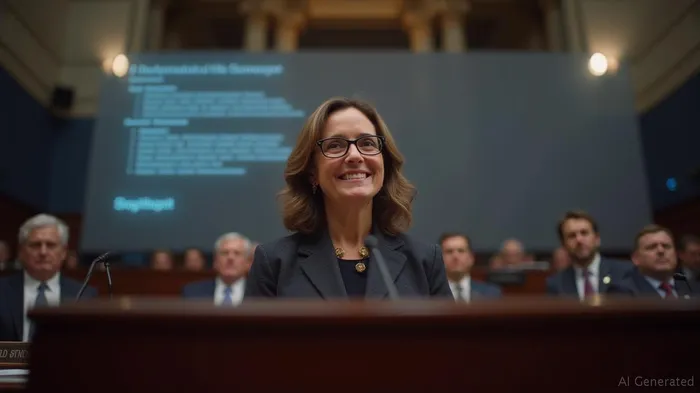
On July 2, 2025, State Sen. Jerry McNerny introduced the "No Robo Bosses" Act in California, aiming to regulate the use of artificial intelligence (AI) in the workplace. This bill is part of a broader trend of states enacting laws to manage the growing influence of AI in various sectors, following the failure of a federal AI moratorium [1].The "No Robo Bosses" Act, which is currently under consideration, seeks to impose significant restrictions on AI usage in the workplace. Key provisions include requiring human oversight in decisions related to employee promotions, demotions, discipline, and terminations. Additionally, the bill aims to protect sensitive personal information such as religion and healthcare history from AI-driven decisions [2].
The introduction of this bill comes amidst a growing concern over the potential misuse of AI in employment practices. A recent survey found that around 60% of managers rely on AI to make decisions about their direct reports, including raises, promotions, layoffs, and terminations. This reliance on AI has raised concerns about transparency and the potential for bias and discrimination [3].
California's Attorney General Rob Bonta has been vocal in his opposition to a proposed 10-year ban on states enforcing AI regulations. Bonta has argued that states must retain the flexibility to protect their residents and respond to the rapidly evolving nature of AI technology. His office has issued legal advisories reminding consumers and businesses of their rights and obligations under California law [2].
The "No Robo Bosses" Act is part of a broader trend of state AI legislation. As of 2025, all 50 states, Puerto Rico, the Virgin Islands, and Washington, DC, have introduced legislation to regulate AI. Significant state AI legislation will go into effect in 2026, including California's Assembly Bill 2013, which mandates comprehensive transparency in AI training datasets, and Colorado's Senate Bill 205, which requires detailed disclosures and guardrails against discrimination for "high-risk" AI [1].
Developers and deployers of AI should continue to monitor state and federal actions in the coming years. While the federal AI moratorium failed, there is bipartisan support for safety and privacy regulation of AI, which is likely to grow in the years to come [1].
References:
[1] https://www.mwe.com/insights/no-state-ai-law-moratorium-in-one-big-beautiful-bill-act/
[2] https://oag.ca.gov/news/press-releases/attorney-general-bonta-california-has-preserved-its-ability-respond-ai-keep
[3] https://fortune.com/2025/07/03/no-robo-bosses-california-ai-bill-what-employers-should-know/
Stay ahead of the market.
Get curated U.S. market news, insights and key dates delivered to your inbox.


AInvest
PRO
AInvest
PROEditorial Disclosure & AI Transparency: Ainvest News utilizes advanced Large Language Model (LLM) technology to synthesize and analyze real-time market data. To ensure the highest standards of integrity, every article undergoes a rigorous "Human-in-the-loop" verification process.
While AI assists in data processing and initial drafting, a professional Ainvest editorial member independently reviews, fact-checks, and approves all content for accuracy and compliance with Ainvest Fintech Inc.’s editorial standards. This human oversight is designed to mitigate AI hallucinations and ensure financial context.
Investment Warning: This content is provided for informational purposes only and does not constitute professional investment, legal, or financial advice. Markets involve inherent risks. Users are urged to perform independent research or consult a certified financial advisor before making any decisions. Ainvest Fintech Inc. disclaims all liability for actions taken based on this information. Found an error?Report an Issue




Comments
No comments yet