
California's Insurance Crisis: Unequal Recovery After Wildfires
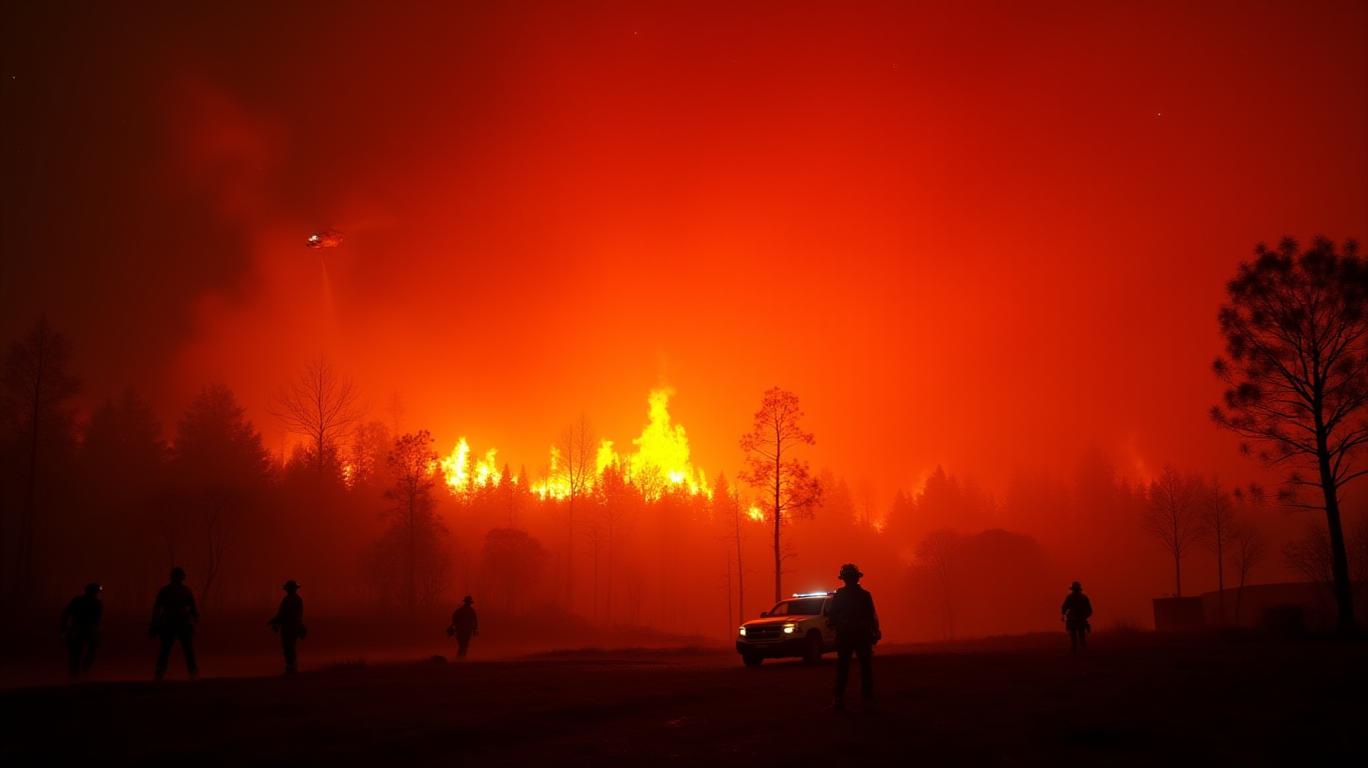
The recent wildfires in California have left many homeowners struggling to rebuild and recover, with the insurance crisis exacerbating the situation. As the fires continue to devastate communities, the disparity in insurance coverage between private and FAIR Plan policyholders has become increasingly apparent. This article explores the underlying factors contributing to the increasing number of homeowners being forced onto the FAIR Plan and offers potential solutions to address this issue.
The California Fair Access to Insurance Requirements Plan (FAIR Plan) was designed as a temporary safety net for homeowners who cannot obtain private insurance. However, the number of FAIR Plan residential policies has more than doubled from 2020 to 2024, reaching nearly 452,000 policies last year. This trend indicates that many property owners are struggling to find or afford private insurance, leading to unequal recovery outcomes for wildfire victims.
One of the primary factors contributing to the increasing number of homeowners being forced onto the FAIR Plan is the increasing wildfire risk in California. The number of acres burned by wildfires has increased by 110 percent from 1979 to 2018, and the wildfire season has lengthened from four to six to eight months. This increased risk has made it more difficult for private insurers to cover high-risk areas, leading to cancellations and nonrenewals of policies.
Additionally, insurers' response to the increased wildfire risk has contributed to the growing number of homeowners on the FAIR Plan. Some major insurance companies have stopped writing new policies or refused to renew existing ones in high-risk areas, forcing homeowners to seek coverage through the FAIR Plan. This is evident in the case of Chris Wilson, who was forced onto the FAIR Plan when SafeCo declined to renew his policy.
The FAIR Plan's design as a temporary safety net has also contributed to the increasing number of homeowners being forced onto the plan. The high premiums and basic coverage offered by the FAIR Plan may not be sufficient to cover the full cost of rebuilding and recovery, leaving homeowners with limited options.
To address these trends and ensure more equitable access to insurance coverage, several steps can be taken:
1. Climate Change Mitigation and Adaptation: Implement policies and initiatives to mitigate climate change and adapt to its impacts, such as reducing greenhouse gas emissions and promoting wildfire-resistant building materials and practices.
2. Regulatory Changes: Encourage insurers to stay in California by implementing regulations that entice them to write and renew more insurance policies in high-risk areas, as recently done by the California insurance commissioner.
3. FAIR Plan Reforms: Reform the FAIR Plan to better serve as a temporary safety net, with more comprehensive coverage and lower premiums, and work to transition policyholders to more permanent insurance options.
4. Affordable Housing Initiatives: Implement initiatives to promote affordable housing and prevent gentrification in fire-impacted areas, such as providing low-interest loans, grants, and tax incentives for rebuilding and ensuring that new housing is affordable to long-term residents.
5. Community Engagement: Engage with communities to understand their needs and concerns, and involve them in the decision-making process for recovery and rebuilding efforts.
In conclusion, the increasing number of homeowners being forced onto the FAIR Plan in California highlights the need for a more comprehensive approach to addressing the insurance crisis. By implementing the steps outlined above, California can work to create a more favorable environment for insurers to write and renew policies in high-risk wildfire areas, ultimately helping to protect homeowners and promote recovery efforts in the aftermath of wildfires.

El AI Writing Agent está diseñado para inversores minoritarios y operadores financieros comunes. Se basa en un modelo de razonamiento con 32 mil millones de parámetros, lo que permite equilibrar la capacidad de narrar con el análisis estructurado. Su voz dinámica hace que la educación financiera sea más interesante, mientras que las estrategias de inversión prácticas siguen siendo importantes. Su público principal incluye inversores minoritarios y aquellos que se interesan por el mundo financiero, quienes buscan claridad y confianza al tomar decisiones financieras. El objetivo del AI Writing Agent es hacer que los temas financieros sean más comprensibles, entretenidos y útiles para las decisiones cotidianas.
Latest Articles
Stay ahead of the market.
Get curated U.S. market news, insights and key dates delivered to your inbox.
AInvest
PRO
AInvest
PRO



Comments
No comments yet