
California Fines Coinme $300,000 for Violating Crypto ATM Regulations
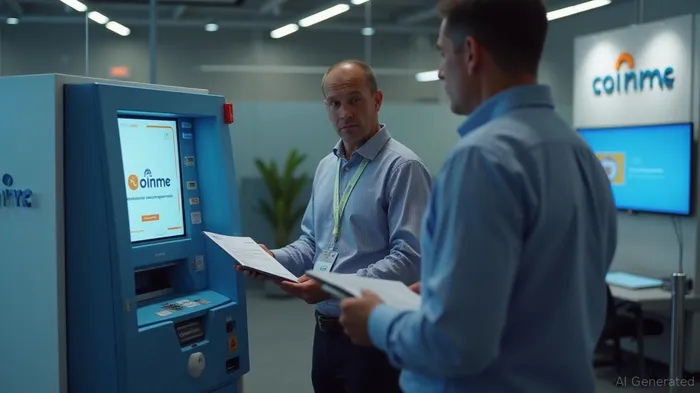
California’s Department of Financial Protection and Innovation (DFPI) has taken a significant step in enforcing its Digital Financial Assets Law by targeting Coinme, a Seattle-based crypto ATM operator. The enforcement action comes as a result of Coinme violating state regulations on transaction limits and disclosure requirements, marking the first instance of such enforcement under the new law. The DFPI has imposed a $300,000 fine on Coinme for exceeding the state-mandated daily transaction cap of $1,000 per customer at its crypto ATMs. This regulatory limit, introduced under the Digital Financial Assets Law enacted in 2023, aims to curb fraudulent activities and protect consumers from excessive exposure to digital asset risks.
Additionally, Coinme failed to provide mandatory disclosures on customer receipts at its kiosks, which are commonly found in grocery and convenience stores across California. These disclosures are critical for transparency and informed decision-making by users. The enforcement action includes restitution payments, such as the $51,700 awarded to an elderly resident who was defrauded, demonstrating tangible consumer protection outcomes. According to DFPI Commissioner KC Mohseni, this case “sends a strong message” that digital asset companies must adhere to rules designed to prevent scams targeting vulnerable Californians.
The Digital Financial Assets Law represents California’s proactive stance on regulating the rapidly evolving crypto ATM sector. By setting transaction limits and disclosure requirements, the law seeks to mitigate risks associated with crypto scams, which disproportionately affect elderly and vulnerable populations. The DFPI’s action against Coinme underscores the regulatory authority’s readiness to enforce compliance and hold operators accountable. This enforcement also includes restitution payments, such as the $51,700 awarded to an elderly resident who was defrauded, demonstrating tangible consumer protection outcomes.
Crypto ATM scams have surged, with fraudsters deceiving victims into purchasing cryptocurrencies and transferring funds directly to illicit wallets. The FBI reported nearly 11,000 complaints and losses exceeding $246 million in 2024 alone, marking a 31% increase from the previous year. Notably, two-thirds of these victims were over 60 years old, highlighting the vulnerability of senior citizens to such schemes. These alarming trends have prompted states like California to implement stringent regulations and enforcement actions to safeguard consumers.
In a more stringent approach, Spokane, Washington’s second-largest city, recently banned crypto ATMs entirely. This measure aims to protect residents from scams and illicit financial flows, with local law enforcement citing concerns that funds deposited into crypto kiosks often end up in sanctioned or high-risk jurisdictions. The ban reflects increasing scrutiny of crypto ATM networks amid fears of facilitating money laundering and other criminal activities.
Beyond the United States, Australian federal police have intensified efforts to combat criminal exploitation of crypto ATMs, reaching out to over 90 individuals linked to fraud and “pig butchering” scams. Similarly, in Texas, a county sheriff physically disabled a crypto kiosk following a reported $25,000 scam affecting a local family. These actions illustrate a broader global trend of law enforcement agencies targeting the misuse of crypto ATMs to protect consumers and uphold financial integrity.
As crypto ATM usage grows, regulatory bodies are expected to continue refining and enforcing rules to balance innovation with consumer protection. The California DFPI’s recent enforcement serves as a precedent, signaling that operators must prioritize compliance or face significant penalties. Consumers are encouraged to remain vigilant and informed when using crypto kiosks, while industry stakeholders should proactively adopt best practices to foster trust and security in digital asset transactions.
The DFPI’s enforcement against Coinme marks a pivotal moment in the regulation of crypto ATMs, emphasizing the importance of adhering to transaction limits and disclosure requirements to prevent fraud. With crypto ATM scams on the rise and jurisdictions imposing outright bans, regulatory scrutiny is intensifying nationwide and internationally. This evolving landscape underscores the necessity for robust compliance frameworks and heightened consumer awareness to ensure the safe and responsible use of crypto ATMs.

Stay ahead of the market.
Get curated U.S. market news, insights and key dates delivered to your inbox.


AInvest
PRO
AInvest
PRO



Comments
No comments yet