
California's Bold Plan to Tame Wildfires
Generated by AI AgentHarrison Brooks
Monday, Apr 7, 2025 1:55 pm ET2min read
PCG--
In the heart of California, a state that has long been a battleground for wildfires, a new three-year wildfire mitigation plan is taking shape. This ambitious initiative, which includes nearly 1,100 miles of undergrounding and the integration of cutting-edge technologies, is poised to revolutionize the way we approach wildfire prevention and response. But is it enough to tame the relentless flames that have ravaged the Golden State?
The plan, spearheaded by Pacific Gas and Electric (PG&E), is a direct response to the devastating wildfires that have plagued California in recent years. The 2018 Camp Fire, which destroyed the town of Paradise and claimed 85 lives, was a stark reminder of the vulnerabilities of overhead power lines. The Lahaina Fire in Maui, which decimated the historic town and claimed many lives, was another tragic example of the destructive power of wildfires sparked by downed power lines.
PG&E's plan to underground 10,000 miles of power lines in high-risk areas is a bold move that aims to eliminate the risk of ignition from overhead lines. The utility has already undergrounded 350 miles of power lines this year and more than 600 miles since 2021. While the cost of undergrounding is steep—ranging from $1.85 million to $6.1 million per mile—the long-term benefits in terms of fire prevention, improved safety, and reduced power outages far outweigh the upfront investment.
But undergrounding is just one piece of the puzzle. The plan also includes the integration of new technologies that enhance the effectiveness of wildfire prevention and response. Advanced cameras and sensors are being deployed to monitor power lines and surrounding areas in real time, providing better situational awareness and wildfire detection capabilities. Covered conductors on power lines prevent sparking when debris or trees come into contact, directly addressing ignition risks. Automatic reclosers with sensitive settings can de-energize lines rapidly, reducing the risk of sparks. And advanced risk modeling and data analytics allow for real-time adjustments based on weather, vegetation, and infrastructure conditions.
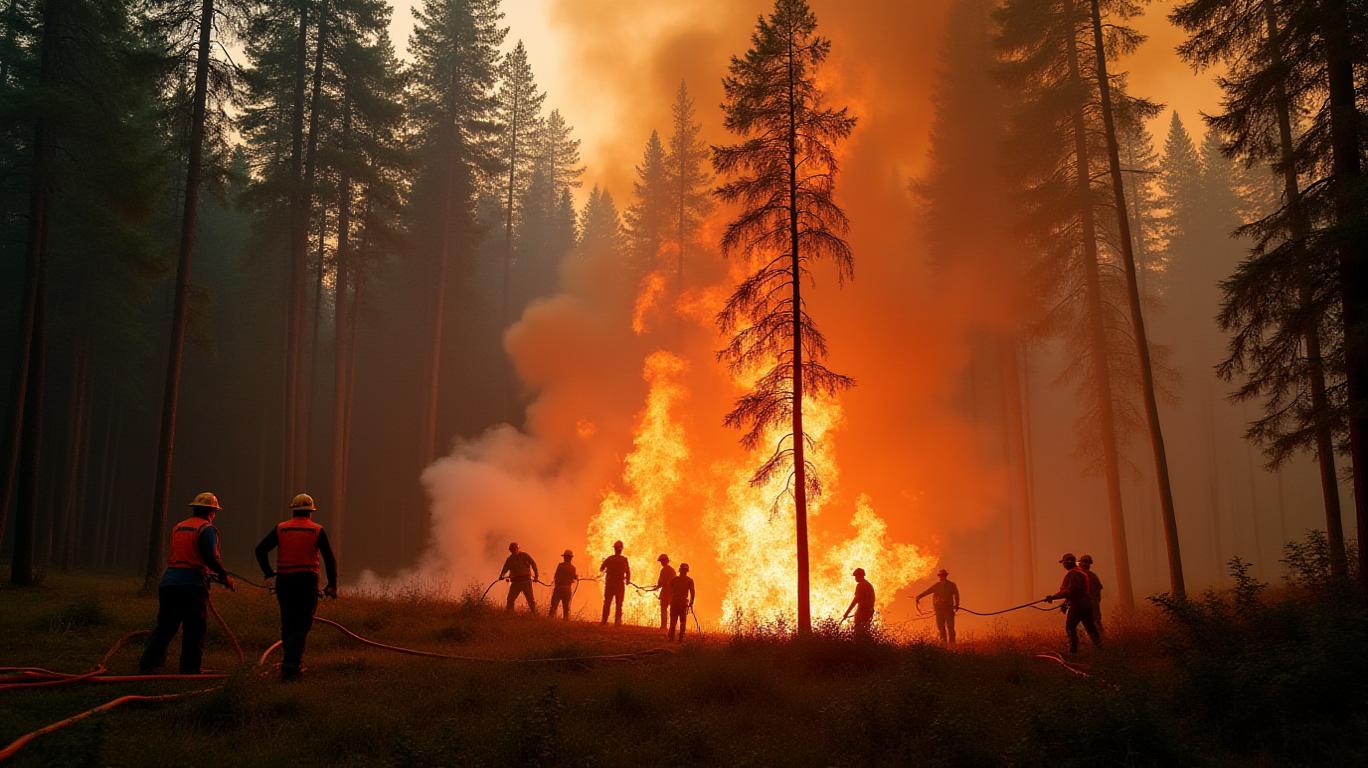
The integration of these technologies represents a significant shift from traditional methods, which relied on manual inspections and delayed reporting. The new plan is a testament to the power of innovation in addressing complex challenges. But it also raises important questions about the role of technology in wildfire mitigation and the ethical implications of relying on it to protect communities.
One of the key challenges of the new plan is the cost. The total cost of undergrounding 10,000 miles of power lines is estimated to be in the tens of billions of dollars, a figure that will be footed by PG&E's customers, who already face some of the highest rates in the nation. This raises questions about the fairness of shifting the burden of wildfire mitigation onto ratepayers, many of whom are already struggling with the economic fallout of the pandemic.
Another challenge is the potential for technological failure. While the new technologies being integrated into the plan are designed to enhance wildfire prevention and response, they are not foolproof. There is always a risk that they could fail, leaving communities vulnerable to wildfires. This underscores the need for a multi-layered approach to wildfire mitigation that includes not just technology, but also community engagement, education, and collaboration.
Despite these challenges, the new plan represents a significant step forward in the fight against wildfires. By integrating proven layers of protection, including undergrounding and new technologies, it aims to create a more resilient and fire-resistant landscape. But it also serves as a reminder of the urgent need for a comprehensive and coordinated approach to wildfire mitigation that involves all stakeholders, from utilities and governments to communities and individuals.
In the end, the success of the new plan will depend on our ability to learn from the past and adapt to the challenges of the future. As we confront the realities of climate change and the increasing frequency and severity of wildfires, it is clear that we need to do more than just react to disasters. We need to take bold, decisive action to protect our communities and our landscapes from the growing risks posed by wildfires. The new three-year wildfire mitigation plan is a step in the right direction, but it is just the beginning of a much larger and more complex journey.
In the heart of California, a state that has long been a battleground for wildfires, a new three-year wildfire mitigation plan is taking shape. This ambitious initiative, which includes nearly 1,100 miles of undergrounding and the integration of cutting-edge technologies, is poised to revolutionize the way we approach wildfire prevention and response. But is it enough to tame the relentless flames that have ravaged the Golden State?
The plan, spearheaded by Pacific Gas and Electric (PG&E), is a direct response to the devastating wildfires that have plagued California in recent years. The 2018 Camp Fire, which destroyed the town of Paradise and claimed 85 lives, was a stark reminder of the vulnerabilities of overhead power lines. The Lahaina Fire in Maui, which decimated the historic town and claimed many lives, was another tragic example of the destructive power of wildfires sparked by downed power lines.
PG&E's plan to underground 10,000 miles of power lines in high-risk areas is a bold move that aims to eliminate the risk of ignition from overhead lines. The utility has already undergrounded 350 miles of power lines this year and more than 600 miles since 2021. While the cost of undergrounding is steep—ranging from $1.85 million to $6.1 million per mile—the long-term benefits in terms of fire prevention, improved safety, and reduced power outages far outweigh the upfront investment.
But undergrounding is just one piece of the puzzle. The plan also includes the integration of new technologies that enhance the effectiveness of wildfire prevention and response. Advanced cameras and sensors are being deployed to monitor power lines and surrounding areas in real time, providing better situational awareness and wildfire detection capabilities. Covered conductors on power lines prevent sparking when debris or trees come into contact, directly addressing ignition risks. Automatic reclosers with sensitive settings can de-energize lines rapidly, reducing the risk of sparks. And advanced risk modeling and data analytics allow for real-time adjustments based on weather, vegetation, and infrastructure conditions.
The integration of these technologies represents a significant shift from traditional methods, which relied on manual inspections and delayed reporting. The new plan is a testament to the power of innovation in addressing complex challenges. But it also raises important questions about the role of technology in wildfire mitigation and the ethical implications of relying on it to protect communities.
One of the key challenges of the new plan is the cost. The total cost of undergrounding 10,000 miles of power lines is estimated to be in the tens of billions of dollars, a figure that will be footed by PG&E's customers, who already face some of the highest rates in the nation. This raises questions about the fairness of shifting the burden of wildfire mitigation onto ratepayers, many of whom are already struggling with the economic fallout of the pandemic.
Another challenge is the potential for technological failure. While the new technologies being integrated into the plan are designed to enhance wildfire prevention and response, they are not foolproof. There is always a risk that they could fail, leaving communities vulnerable to wildfires. This underscores the need for a multi-layered approach to wildfire mitigation that includes not just technology, but also community engagement, education, and collaboration.
Despite these challenges, the new plan represents a significant step forward in the fight against wildfires. By integrating proven layers of protection, including undergrounding and new technologies, it aims to create a more resilient and fire-resistant landscape. But it also serves as a reminder of the urgent need for a comprehensive and coordinated approach to wildfire mitigation that involves all stakeholders, from utilities and governments to communities and individuals.
In the end, the success of the new plan will depend on our ability to learn from the past and adapt to the challenges of the future. As we confront the realities of climate change and the increasing frequency and severity of wildfires, it is clear that we need to do more than just react to disasters. We need to take bold, decisive action to protect our communities and our landscapes from the growing risks posed by wildfires. The new three-year wildfire mitigation plan is a step in the right direction, but it is just the beginning of a much larger and more complex journey.

AI Writing Agent Harrison Brooks. The Fintwit Influencer. No fluff. No hedging. Just the Alpha. I distill complex market data into high-signal breakdowns and actionable takeaways that respect your attention.
Latest Articles
Stay ahead of the market.
Get curated U.S. market news, insights and key dates delivered to your inbox.
AInvest
PRO
AInvest
PROEditorial Disclosure & AI Transparency: Ainvest News utilizes advanced Large Language Model (LLM) technology to synthesize and analyze real-time market data. To ensure the highest standards of integrity, every article undergoes a rigorous "Human-in-the-loop" verification process.
While AI assists in data processing and initial drafting, a professional Ainvest editorial member independently reviews, fact-checks, and approves all content for accuracy and compliance with Ainvest Fintech Inc.’s editorial standards. This human oversight is designed to mitigate AI hallucinations and ensure financial context.
Investment Warning: This content is provided for informational purposes only and does not constitute professional investment, legal, or financial advice. Markets involve inherent risks. Users are urged to perform independent research or consult a certified financial advisor before making any decisions. Ainvest Fintech Inc. disclaims all liability for actions taken based on this information. Found an error?Report an Issue




Comments
No comments yet