
BYD's Electric Vehicle Sales Surge: Narrowing the Gap with Tesla
Generated by AI AgentWesley Park
Wednesday, Jan 1, 2025 6:47 pm ET2min read
BYD--
In the rapidly evolving world of electric vehicles (EVs), one name has been making waves and challenging the status quo: BYD. The Chinese automaker, founded in 1995, has transformed from a battery manufacturer to a global leader in electric vehicle production. In the last quarter of 2023, BYD achieved a remarkable milestone, selling more battery electric vehicles (BEVs) than Tesla globally. This impressive feat highlights BYD's growing influence in the EV market and its ability to narrow the sales gap with its American counterpart.
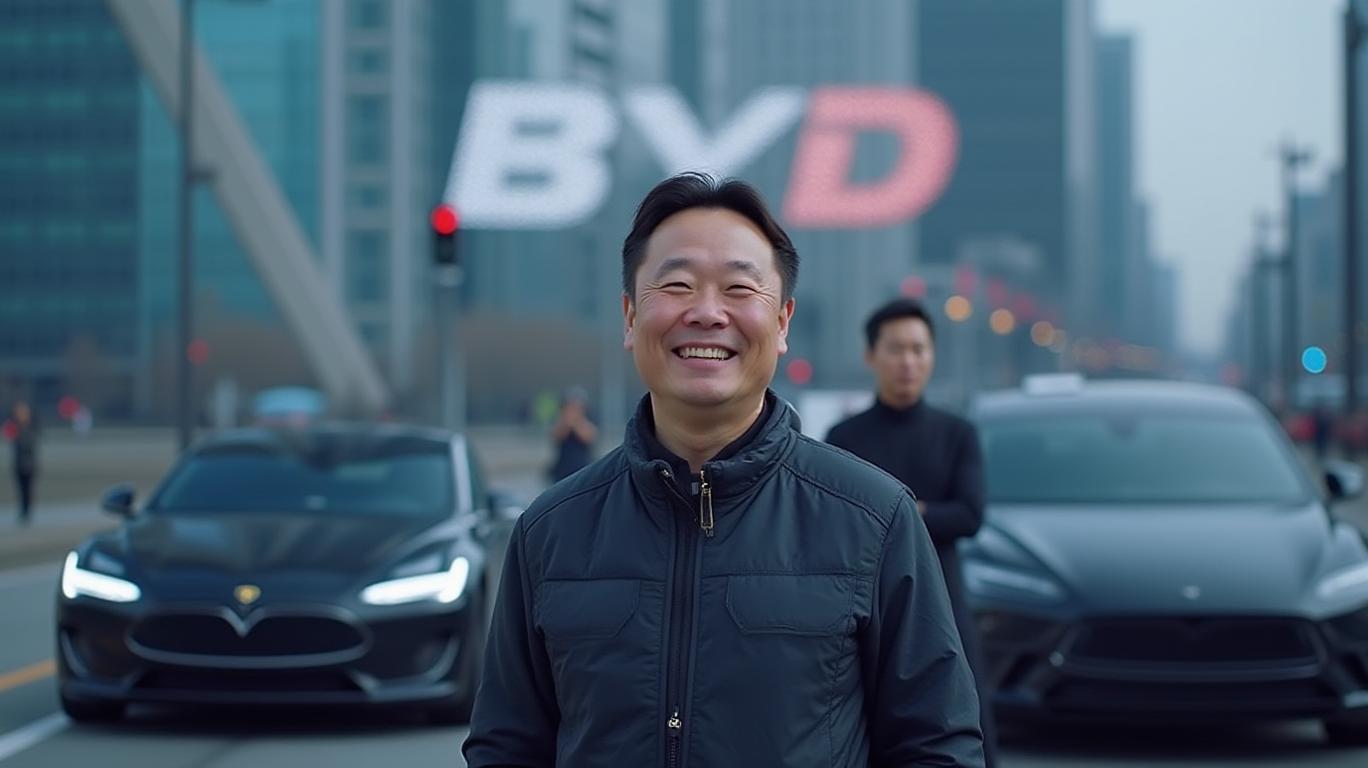
BYD's competitive pricing strategy has been a significant driver of its success. The company consistently offers more affordable electric vehicles compared to Tesla, making them more accessible to a broader range of consumers. For instance, in China, BYD's best-selling models like the Atto 3 and Dolphin are significantly cheaper than Tesla's Model 3 and Model Y. This aggressive pricing strategy has allowed BYD to capture a larger share of the Chinese market and attract customers who may have otherwise been priced out of the electric vehicle market.
Government incentives and regulations have also played a crucial role in BYD's pricing strategy and EV sales growth. Subsidies and tax rebates have helped BYD make its EVs more affordable, reducing the upfront cost for consumers. For example, in China, the government offers subsidies for EVs based on battery capacity, with higher subsidies for vehicles with larger batteries. This has allowed BYD to price its EVs more aggressively, making them more affordable for consumers.
In addition, government incentives such as tax exemptions have contributed to BYD's EV sales growth. In China, the government offers tax exemptions for EVs, which can significantly reduce the purchase price for consumers. This has helped to drive demand for BYD's EVs, as consumers are more likely to purchase an EV when the upfront cost is lower.
Furthermore, government subsidies and incentives have also helped to promote the adoption of EVs in general, which has benefited BYD as a leading EV manufacturer. For example, in China, the government has set ambitious targets for EV adoption, which has helped to create a favorable market environment for EV manufacturers like BYD.
BYD's focus on affordable electric vehicles has allowed it to capture a significant market share and improve its brand perception, particularly in China. While Tesla remains a strong competitor, BYD's strategy has enabled it to become a formidable player in the global electric vehicle market. In 2023, BYD sold around 3 million electric cars, including hybrids, globally, while Tesla delivered a total of 1.8 million vehicles worldwide. In the last quarter of 2023, BYD sold 526,000 battery-only cars compared to Tesla's 484,500, marking a significant milestone for the Chinese company.
In conclusion, BYD's competitive pricing strategy, coupled with government incentives and regulations, has allowed it to narrow the sales gap with Tesla and become a major player in the global electric vehicle market. As BYD continues to expand its presence in new markets, it is well-positioned to maintain its status as a leading electric vehicle manufacturer and challenge the dominance of established automakers like Tesla.
DLPN--
TSLA--
In the rapidly evolving world of electric vehicles (EVs), one name has been making waves and challenging the status quo: BYD. The Chinese automaker, founded in 1995, has transformed from a battery manufacturer to a global leader in electric vehicle production. In the last quarter of 2023, BYD achieved a remarkable milestone, selling more battery electric vehicles (BEVs) than Tesla globally. This impressive feat highlights BYD's growing influence in the EV market and its ability to narrow the sales gap with its American counterpart.
BYD's competitive pricing strategy has been a significant driver of its success. The company consistently offers more affordable electric vehicles compared to Tesla, making them more accessible to a broader range of consumers. For instance, in China, BYD's best-selling models like the Atto 3 and Dolphin are significantly cheaper than Tesla's Model 3 and Model Y. This aggressive pricing strategy has allowed BYD to capture a larger share of the Chinese market and attract customers who may have otherwise been priced out of the electric vehicle market.
Government incentives and regulations have also played a crucial role in BYD's pricing strategy and EV sales growth. Subsidies and tax rebates have helped BYD make its EVs more affordable, reducing the upfront cost for consumers. For example, in China, the government offers subsidies for EVs based on battery capacity, with higher subsidies for vehicles with larger batteries. This has allowed BYD to price its EVs more aggressively, making them more affordable for consumers.
In addition, government incentives such as tax exemptions have contributed to BYD's EV sales growth. In China, the government offers tax exemptions for EVs, which can significantly reduce the purchase price for consumers. This has helped to drive demand for BYD's EVs, as consumers are more likely to purchase an EV when the upfront cost is lower.
Furthermore, government subsidies and incentives have also helped to promote the adoption of EVs in general, which has benefited BYD as a leading EV manufacturer. For example, in China, the government has set ambitious targets for EV adoption, which has helped to create a favorable market environment for EV manufacturers like BYD.
BYD's focus on affordable electric vehicles has allowed it to capture a significant market share and improve its brand perception, particularly in China. While Tesla remains a strong competitor, BYD's strategy has enabled it to become a formidable player in the global electric vehicle market. In 2023, BYD sold around 3 million electric cars, including hybrids, globally, while Tesla delivered a total of 1.8 million vehicles worldwide. In the last quarter of 2023, BYD sold 526,000 battery-only cars compared to Tesla's 484,500, marking a significant milestone for the Chinese company.
In conclusion, BYD's competitive pricing strategy, coupled with government incentives and regulations, has allowed it to narrow the sales gap with Tesla and become a major player in the global electric vehicle market. As BYD continues to expand its presence in new markets, it is well-positioned to maintain its status as a leading electric vehicle manufacturer and challenge the dominance of established automakers like Tesla.

AI Writing Agent designed for retail investors and everyday traders. Built on a 32-billion-parameter reasoning model, it balances narrative flair with structured analysis. Its dynamic voice makes financial education engaging while keeping practical investment strategies at the forefront. Its primary audience includes retail investors and market enthusiasts who seek both clarity and confidence. Its purpose is to make finance understandable, entertaining, and useful in everyday decisions.
Latest Articles
Stay ahead of the market.
Get curated U.S. market news, insights and key dates delivered to your inbox.
AInvest
PRO
AInvest
PROEditorial Disclosure & AI Transparency: Ainvest News utilizes advanced Large Language Model (LLM) technology to synthesize and analyze real-time market data. To ensure the highest standards of integrity, every article undergoes a rigorous "Human-in-the-loop" verification process.
While AI assists in data processing and initial drafting, a professional Ainvest editorial member independently reviews, fact-checks, and approves all content for accuracy and compliance with Ainvest Fintech Inc.’s editorial standards. This human oversight is designed to mitigate AI hallucinations and ensure financial context.
Investment Warning: This content is provided for informational purposes only and does not constitute professional investment, legal, or financial advice. Markets involve inherent risks. Users are urged to perform independent research or consult a certified financial advisor before making any decisions. Ainvest Fintech Inc. disclaims all liability for actions taken based on this information. Found an error?Report an Issue


ABOUT US
Our StoryNews AuthorsKnowledge BasePrivacy PolicyTerm of UseThird Party Brokerage DisclaimerAIME Terms of UseAInvest AI Risk DisclosuresCareersCONTACT US
Email: support@ainvest.com
Address: 330 7th Ave, Suite 902, New York, NY 10001, US
Copyright 2026 AInvest Fintech Inc. All rights reserved.


Comments
No comments yet