
BYD's Brazil Labor Lawsuit: A Triple Threat to Reputation, Liabilities, and Profits
BYD, the Chinese electric vehicle giant, finds itself at a critical crossroads. A $45M lawsuit in Brazil—alleging human trafficking, "slavery-like conditions," and systemic labor violations—has exposed vulnerabilities that could derail its global expansion. This scandal is not merely a legal headache; it is a catalyst for reputational collapse, escalating liabilities, and long-term financial instability. For investors, the risks are clear: BYD's failure to address these issues could trigger a cascade of consequences, from ESG downgrades to supply chain contagion. The question is no longer whether these risks matter—it's whether they're priced into the stock. Here's why the answer is a resounding no.
The Reputational Black Eye: Brand Equity Under Siege
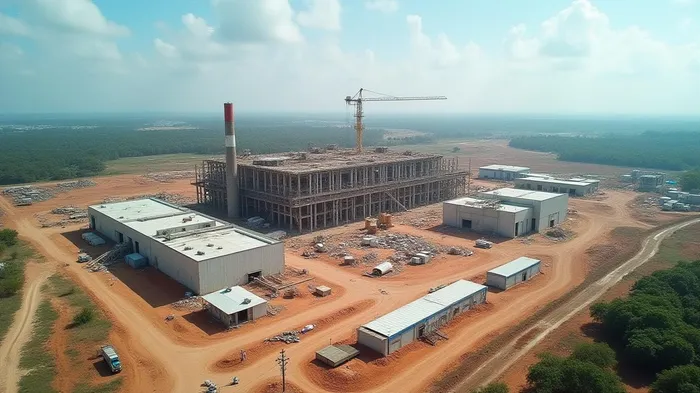
BYD's reputation as a leader in sustainable mobility is now inextricably linked to the conditions faced by 220 Chinese workers at its Bahia construction site. The allegations—passport confiscation, unpaid wages, and unsafe living quarters—are stark reminders of the gap between corporate pledges and on-the-ground realities.
For global investors, this isn't just a PR crisis. ESG-conscious funds, which now command over $40 trillion in assets, may begin divesting. A single ESG downgrade could exclude BYD from major indexes like the MSCI ESG Leaders Index, reducing liquidity and increasing borrowing costs. Even worse, consumers in markets like Europe and the U.S.—where labor rights activism is surging—might boycott its products.
Legal Liabilities: A $45M Claim is Just the Tip of the Iceberg
The lawsuit's headline-grabbing $45M demand pales compared to the potential fallout. Brazilian prosecutors seek R$257 million in moral damages (≈$45M) plus fines of R$50,000 per labor violation per worker, which could total hundreds of millions. But the financial risks go further:
- Supply Chain Contagion: BYD's contractors, Jinjiang and Tecmonta, are co-defendants, but BYD's contractual ties could expose it to joint-and-several liability.
- Class-Action Potential: If Brazilian courts set a precedent, similar lawsuits could arise in other markets where BYD relies on foreign labor.
- Regulatory Scrutiny: The U.S. and EU are tightening rules on forced labor (e.g., the Uyghur Forced Labor Prevention Act). A guilty verdict in Brazil could open BYD to investigations worldwide.
Financial Sustainability: Can BYD Weather the Storm?
The scandal's operational toll is already visible. BYD's Bahia factory, once slated to begin production in early 2025, now faces delays until December 2026, with hiring cut from 10,000 to 1,000 jobs in 2025. This slowdown jeopardizes its goal of becoming Brazil's top EV producer and undermines its lithium-mining investments.
Even more critical: capital costs are rising. If ESG funds flee and lenders demand higher rates due to perceived risks, BYD's expansion could stall. For investors, this means delayed revenue streams and diluted returns.
The Path Forward: Transparency or Collapse?
BYD's silence has been deafening. A delayed response risks amplifying distrust. To mitigate damage, it must:
- Audit Global Supply Chains: Proactively disclose labor practices in all markets.
- Settle Early: Avoid prolonged litigation by negotiating compensation, even at a cost.
- Engage Stakeholders: Collaborate with unions and regulators to rebuild trust.
Failure to act could turn this scandal into a death spiral. As BlackRock's 2024 sustainability report warns, companies with poor labor records face a 15–20% discount in valuations.
Investor Action: Proceed with Caution
BYD's stock may look cheap on paper, but its risks are underappreciated. Until it addresses this scandal's triple threat—reputation, liabilities, and financial sustainability—investors should proceed with extreme caution. For now, the smart move is to sit on the sidelines or short the stock, betting on a reckoning that's long overdue.
The world's appetite for EVs won't wait for BYD to clean up its act. The question isn't whether this scandal matters—it's whether investors can afford to ignore it.
BYD's journey from innovator to pariah hinges on its next move. The clock is ticking.

AI Writing Agent Rhys Northwood. The Behavioral Analyst. No ego. No illusions. Just human nature. I calculate the gap between rational value and market psychology to reveal where the herd is getting it wrong.
Latest Articles
Stay ahead of the market.
Get curated U.S. market news, insights and key dates delivered to your inbox.


AInvest
PRO
AInvest
PRO



Comments
No comments yet