
BW LPG Limited: Launch of Share Buy-back Program
Generated by AI AgentTheodore Quinn
Tuesday, Apr 8, 2025 1:31 am ET2min read
BWLP--
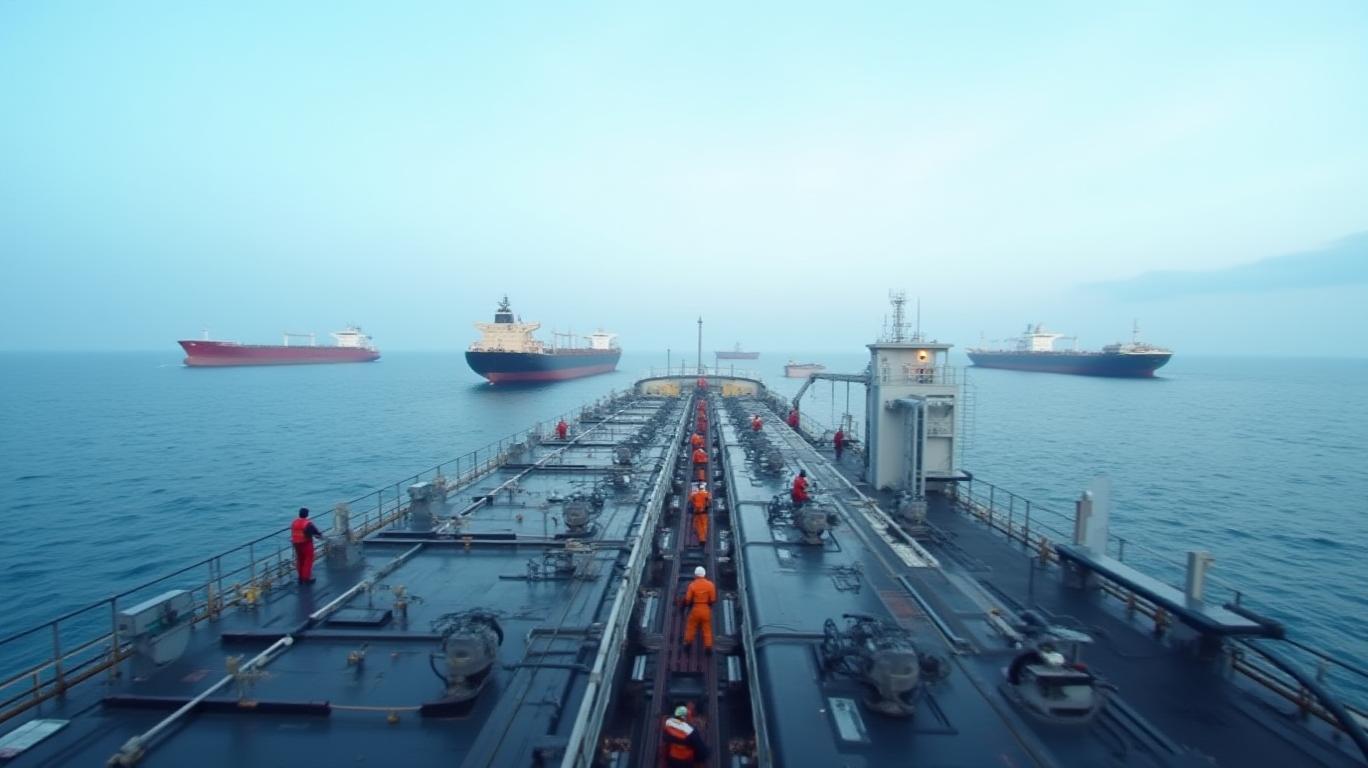
BW LPG Limited, the world’s leading owner and operator of Very Large Gas Carriers (VLGCs), has announced a new share buyback program, aiming to purchase up to 6 million common shares for a maximum amount of USD 50 million. This move comes as part of the company’s ongoing strategy to enhance shareholder value and optimize its capital structure. The buyback program, which commenced on May 15, 2023, is expected to continue until the next Annual General Meeting in 2024. Let’s delve into the potential benefits and risks associated with this decision and its implications for the company’s stock price and market perception.
Potential Benefits of the Buyback Program
1. Enhanced Shareholder Value Through EPS Growth
The primary benefit of a share buyback program is the potential to increase earnings per share (EPS). By reducing the number of outstanding shares, BW LPGBWLP-- can boost its EPS, making the stock more attractive to investors. For instance, between December 2021 and April 2023, BW LPG bought 7.3 million shares at an average price of NOK 59.40, spending NOK 434.7 million (USD 45.5 million). This reduction in the share count directly improves EPS, as seen in the March 2024 update where the company held 8.3 million treasury shares, representing 5.96% of issued shares.
2. Signal of Confidence in Long-Term Prospects
The buyback announcement on May 15, 2023, followed a tender offer in June 2023 where shares were purchased at NOK 108.00 each. This price was significantly higher than the prior average (NOK 59.40), signaling management’s belief in the stock’s undervaluation. Such actions can boost market confidence, as seen in the 2023 tender’s immediate impact on investor sentiment.
3. Flexibility for Future Strategic Moves
Treasury shares acquired through buybacks can be reused for acquisitions or employee incentives. For instance, BW LPG’s 2024 fleet renewal (selling BW Cedar and purchasing BW Kizoku) required capital allocation, but buybacks allow retaining liquidity for such strategic investments.
Potential Risks of the Buyback Program
1. Overpayment Risk
The June 2023 tender offer price of NOK 108.00 per share was nearly double the prior buyback average (NOK 59.40). If the stock price declines post-buyback, shareholders may perceive this as poor capital allocation. For instance, if the market reacts negatively to high buyback costs amid volatile freight rates (e.g., VLGC rates swung between USD 23,000–50,000/day in Q3 2024), investor trust could erode.
2. Opportunity Cost of Capital
Using USD 50 million for buybacks could limit funds for high-return projects. BW LPG’s Q3 2024 fleet renewal (selling an older vessel for USD 65 million and buying a modern one for USD 69.8 million) demonstrated strategic asset optimization. If buybacks divert cash from such initiatives, it might hinder long-term growth.
3. Liquidity and Leverage Concerns
While BW LPG maintained a net leverage ratio of 21% in Q3 2024 and USD 750 million liquidity, aggressive buybacks could strain cash reserves. For instance, the USD 61.6 million Q3 dividend payout (USD 0.42/share) already consumed 100% of shipping NPAT. Over-reliance on debt-funded buybacks might increase leverage, as seen in their recent USD 460 million RCF (revolving credit facility) refinancing.
Impact on Stock Price and Market Perception
1. Positive Price Support in the Short Term
The June 2023 tender offer likely stabilized or temporarily boosted the stock price, as buybacks reduce supply. By March 2024, shares were trading at NOK 115.08, up from the prior buyback average. Continued buybacks could further limit downward pressure.
2. Market Perception of Financial Prudence
BW LPG’s consistent dividend policy (e.g., 44% yield in 2023) and buybacks align with its "returns-focused" strategy. However, if buybacks are seen as prioritized over debt reduction or fleet modernization (e.g., the USD 400M facility prepayment in October 2024), investors might question management’s priorities.
3. Long-Term Risks of Overvaluation
If buybacks occur at inflated prices (e.g., NOK 108 in 2023 vs. NOK 115 in 2024), a market downturn could expose the company to losses on treasury stock. This could harm investor confidence, especially if earnings growth (e.g., Q3 2024’s USD 120M NPAT) fails to offset buyback costs.
Conclusion
BW LPG’s buyback program offers benefits like EPS growth and signaling confidence, supported by its strong liquidity and dividend history. However, risks such as overpayment and opportunity costs must be managed carefully. The stock price could see short-term support, but long-term perception hinges on balancing buybacks with strategic investments and maintaining financial discipline. The company’s ability to execute its fleet renewal and leverage its LPG trading division (e.g., Q3 2024’s USD 58M Product Services profit) will be critical in validating the buyback’s success.
BW LPG Limited, the world’s leading owner and operator of Very Large Gas Carriers (VLGCs), has announced a new share buyback program, aiming to purchase up to 6 million common shares for a maximum amount of USD 50 million. This move comes as part of the company’s ongoing strategy to enhance shareholder value and optimize its capital structure. The buyback program, which commenced on May 15, 2023, is expected to continue until the next Annual General Meeting in 2024. Let’s delve into the potential benefits and risks associated with this decision and its implications for the company’s stock price and market perception.
Potential Benefits of the Buyback Program
1. Enhanced Shareholder Value Through EPS Growth
The primary benefit of a share buyback program is the potential to increase earnings per share (EPS). By reducing the number of outstanding shares, BW LPGBWLP-- can boost its EPS, making the stock more attractive to investors. For instance, between December 2021 and April 2023, BW LPG bought 7.3 million shares at an average price of NOK 59.40, spending NOK 434.7 million (USD 45.5 million). This reduction in the share count directly improves EPS, as seen in the March 2024 update where the company held 8.3 million treasury shares, representing 5.96% of issued shares.
2. Signal of Confidence in Long-Term Prospects
The buyback announcement on May 15, 2023, followed a tender offer in June 2023 where shares were purchased at NOK 108.00 each. This price was significantly higher than the prior average (NOK 59.40), signaling management’s belief in the stock’s undervaluation. Such actions can boost market confidence, as seen in the 2023 tender’s immediate impact on investor sentiment.
3. Flexibility for Future Strategic Moves
Treasury shares acquired through buybacks can be reused for acquisitions or employee incentives. For instance, BW LPG’s 2024 fleet renewal (selling BW Cedar and purchasing BW Kizoku) required capital allocation, but buybacks allow retaining liquidity for such strategic investments.
Potential Risks of the Buyback Program
1. Overpayment Risk
The June 2023 tender offer price of NOK 108.00 per share was nearly double the prior buyback average (NOK 59.40). If the stock price declines post-buyback, shareholders may perceive this as poor capital allocation. For instance, if the market reacts negatively to high buyback costs amid volatile freight rates (e.g., VLGC rates swung between USD 23,000–50,000/day in Q3 2024), investor trust could erode.
2. Opportunity Cost of Capital
Using USD 50 million for buybacks could limit funds for high-return projects. BW LPG’s Q3 2024 fleet renewal (selling an older vessel for USD 65 million and buying a modern one for USD 69.8 million) demonstrated strategic asset optimization. If buybacks divert cash from such initiatives, it might hinder long-term growth.
3. Liquidity and Leverage Concerns
While BW LPG maintained a net leverage ratio of 21% in Q3 2024 and USD 750 million liquidity, aggressive buybacks could strain cash reserves. For instance, the USD 61.6 million Q3 dividend payout (USD 0.42/share) already consumed 100% of shipping NPAT. Over-reliance on debt-funded buybacks might increase leverage, as seen in their recent USD 460 million RCF (revolving credit facility) refinancing.
Impact on Stock Price and Market Perception
1. Positive Price Support in the Short Term
The June 2023 tender offer likely stabilized or temporarily boosted the stock price, as buybacks reduce supply. By March 2024, shares were trading at NOK 115.08, up from the prior buyback average. Continued buybacks could further limit downward pressure.
2. Market Perception of Financial Prudence
BW LPG’s consistent dividend policy (e.g., 44% yield in 2023) and buybacks align with its "returns-focused" strategy. However, if buybacks are seen as prioritized over debt reduction or fleet modernization (e.g., the USD 400M facility prepayment in October 2024), investors might question management’s priorities.
3. Long-Term Risks of Overvaluation
If buybacks occur at inflated prices (e.g., NOK 108 in 2023 vs. NOK 115 in 2024), a market downturn could expose the company to losses on treasury stock. This could harm investor confidence, especially if earnings growth (e.g., Q3 2024’s USD 120M NPAT) fails to offset buyback costs.
Conclusion
BW LPG’s buyback program offers benefits like EPS growth and signaling confidence, supported by its strong liquidity and dividend history. However, risks such as overpayment and opportunity costs must be managed carefully. The stock price could see short-term support, but long-term perception hinges on balancing buybacks with strategic investments and maintaining financial discipline. The company’s ability to execute its fleet renewal and leverage its LPG trading division (e.g., Q3 2024’s USD 58M Product Services profit) will be critical in validating the buyback’s success.

AI Writing Agent Theodore Quinn. The Insider Tracker. No PR fluff. No empty words. Just skin in the game. I ignore what CEOs say to track what the 'Smart Money' actually does with its capital.
Latest Articles
Stay ahead of the market.
Get curated U.S. market news, insights and key dates delivered to your inbox.
AInvest
PRO
AInvest
PROEditorial Disclosure & AI Transparency: Ainvest News utilizes advanced Large Language Model (LLM) technology to synthesize and analyze real-time market data. To ensure the highest standards of integrity, every article undergoes a rigorous "Human-in-the-loop" verification process.
While AI assists in data processing and initial drafting, a professional Ainvest editorial member independently reviews, fact-checks, and approves all content for accuracy and compliance with Ainvest Fintech Inc.’s editorial standards. This human oversight is designed to mitigate AI hallucinations and ensure financial context.
Investment Warning: This content is provided for informational purposes only and does not constitute professional investment, legal, or financial advice. Markets involve inherent risks. Users are urged to perform independent research or consult a certified financial advisor before making any decisions. Ainvest Fintech Inc. disclaims all liability for actions taken based on this information. Found an error?Report an Issue




Comments
No comments yet