
U.S. Businesses Turn to Shrinkflation to Offset Trump Tariffs
U.S. businesses are actively seeking strategies to mitigate the impact of President Donald Trump's tariffs, which have led to increased import taxes. Companies are exploring various methods to reduce costs and avoid raising prices for consumers. One notable strategy is the retooling of products to minimize expenses without compromising quality. This approach aims to prevent the need for price increases, which could otherwise burden consumers.
One of the strategies being considered is the retooling of products to minimize expenses without compromising quality. This approach aims to prevent the need for price increases, which could otherwise burden consumers.
The concept of "shrinkflation" has resurfaced as a potential outcome of these tariffs. Shrinkflation refers to the practice of reducing the size or quantity of a product while maintaining its price, effectively making consumers pay more for less. This phenomenon was previously observed during periods of economic uncertainty and inflation. As businesses face higher costs due to tariffs, they may resort to shrinkflation to maintain profitability without directly increasing prices.
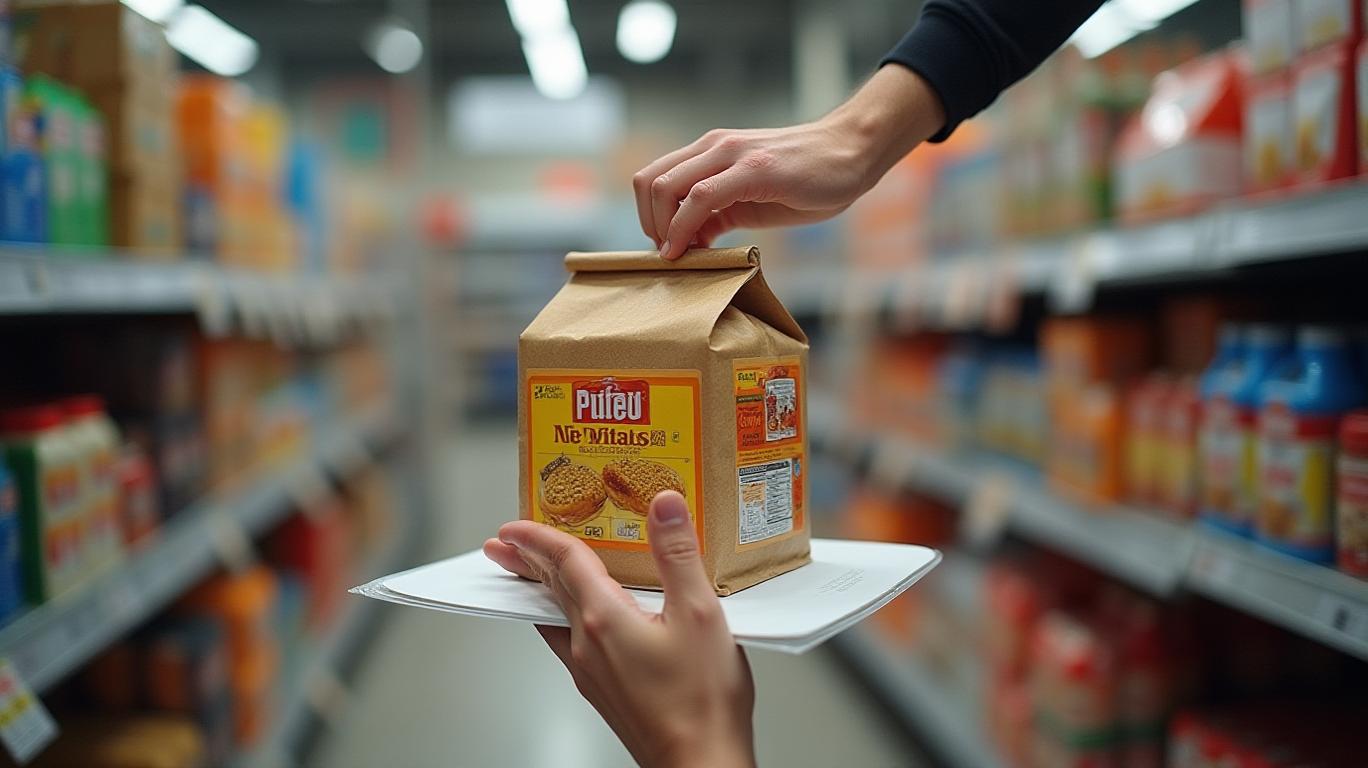
Consumers may notice changes in product packaging and sizes as companies implement cost-cutting measures. While some adjustments may be subtle and go unnoticed, others could be more apparent. For instance, product packaging may become smaller, or the quantity of items within a package may decrease. These tweaks are designed to offset the increased costs associated with tariffs without significantly impacting consumer behavior.
The impact of these tariffs extends beyond just product sizes. Companies are also exploring other avenues to reduce costs, such as sourcing materials from different suppliers or optimizing their supply chains. These efforts are aimed at minimizing the financial burden on businesses and, ultimately, on consumers. However, the effectiveness of these strategies remains to be seen, as the economic landscape continues to evolve in response to the tariffs.
Analysts have noted that the return of shrinkflation could have broader implications for the economy. Inflation expectations can create a self-fulfilling prophecy, where future predictions influence current behavior. If consumers anticipate higher prices and reduced product sizes, they may adjust their spending habits accordingly, potentially leading to a cycle of increased inflation and economic uncertainty.

Stay ahead of the market.
Get curated U.S. market news, insights and key dates delivered to your inbox.


AInvest
PRO
AInvest
PRO



Comments
No comments yet