
Burning Tensions: How Middle East Geopolitics is Fueling Oil Volatility and Shaping Fed Policy
The Middle East's simmering conflict between Israel and Iran has erupted into a geopolitical firestorm, sending WTI crudeWTI-- prices soaring and testing the resilience of global markets. With tensions pushing oil above $75—a level not seen since early 2025—and threatening to breach $100 if key supply routes like the Strait of Hormuz are disrupted, investors must grapple with the dual specter of energy-driven inflation and potential market instability.
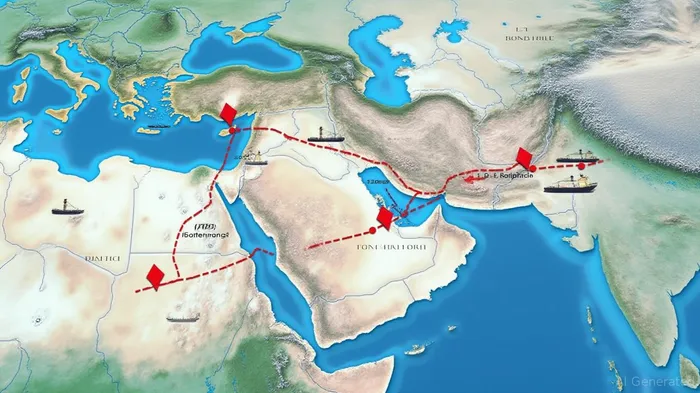
The Geopolitical Spark: How Middle East Tensions Ignite Oil Markets
Recent Israeli airstrikes targeting Iranian nuclear facilities have escalated fears of a broader regional war. Iran's vow to retaliate has intensified concerns over disruptions to the Strait of Hormuz, through which roughly 20% of the world's oil flows. Analysts estimate that a full blockage could add $7.50 to WTI prices, while even partial disruptions could destabilize global supply chains.
Technical traders are already pricing in further gains. The RSI for WTI has entered overbought territory, suggesting short-term pullbacks, but key resistance levels—$71, $74, and the 200-period moving average at $68—remain critical. A sustained breach of $80 could confirm a bullish trend, fueled by escalating geopolitical risks and traders' rush into $80 call options.
Fed Policy at the Crossroads: Inflation, Stagflation, and Monetary Tightrope Walking
The Federal Reserve faces a quandary: how to respond to oil-driven inflation without stifling an economy already pressured by tariffs and labor market cooling. Recent data shows core PCE inflation at 2.6%, near the Fed's 2% target but stubbornly elevated.
- Tariff Inflation: New trade policies threaten to boost 2025 inflation by 0.4% for every $10 oil spike, with the Fed estimating a 0.4% GDP contraction per $10 increase. This creates a stagflationary trap—higher prices with slower growth.
- Monetary Tightrope: The Fed's June decision to hold rates steady reflects its “wait-and-see” approach. While market pricing suggests a 99.9% chance of no June cut, traders anticipate a September rate reduction if inflation moderates. Yet, persistent geopolitical risks could force the Fed to prioritize price stability over growth.
According to historical backtests, a strategy of buying the S&P 500 on Federal Reserve rate decision dates and holding for 30 days since 2020 has underperformed, yielding negative returns and failing to capture broader market gains. This underscores the risks of timing investments around central bank decisions without considering broader market dynamics.
Investment Implications: Navigating Volatility and Policy Uncertainty
- Oil Exposure: Consider hedging with energy ETFs like USO or XLE. However, monitor geopolitical developments—any de-escalation could trigger a sharp correction.
- Interest Rate Sensitive Sectors: Utilities and REITs (e.g., XLU, IYR) may underperform if the Fed delays cuts, while tech stocks (e.g., XLK) could suffer from higher rate volatility.
- Defensive Plays: Consumer staples (XLP) and healthcare (XLV) offer stability amid inflation, while gold (GLD) could shine as a hedge against geopolitical uncertainty.
- Monitor Key Metrics: Track the Strait of Hormuz tanker traffic, Iranian oil exports, and the Fed's language on inflation persistence.
Conclusion: A Volatile Summer Ahead
The Middle East's geopolitical tinderbox has reignited oil markets, complicating the Fed's path to price stability. Investors must remain nimble, balancing exposure to energy gains with protection against stagflationary headwinds. While short-term spikes in WTI may offer opportunities, the Fed's policy pivot—whether toward cuts or caution—will ultimately determine market direction. Stay vigilant, diversify, and let the data guide your decisions.
In this era of heightened uncertainty, prudence and adaptability are the investor's best tools.

Delivering real-time insights and analysis on emerging financial trends and market movements.
Latest Articles
Stay ahead of the market.
Get curated U.S. market news, insights and key dates delivered to your inbox.
AInvest
PRO
AInvest
PRO



Comments
No comments yet