
Burning Sands: How Iran-Israel Tensions Are Heating Up Energy Markets
The recent Israeli airstrikes on Iranian nuclear facilities mark a dangerous escalation in one of the Middle East's most volatile rivalries. With both sides locked in a cycle of strikes and retaliation, the risk of spillover into energy supply chains grows by the day. For investors, the question is no longer whether geopolitical instability will impact oil markets—it's already here.
The immediate focus is on Iran's role as a key OPEC+ producer. As of June 2025, Iran's crude output stands at roughly 2.5 million barrels per day (bpd), but the Israeli campaign has targeted infrastructure critical to its nuclear and military capabilities. While oil facilities haven't been directly attacked yet, the broader destabilization could disrupt export routes and refining capacity. Satellite imagery confirms damage to Iran's Natanz enrichment plant, a facility that indirectly supports its energy sector's technological backbone.
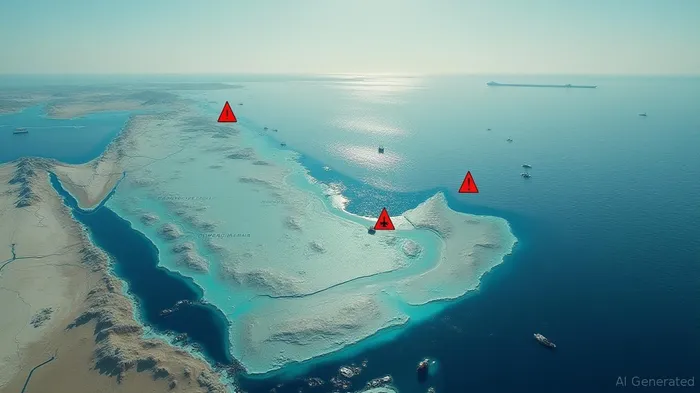
Supply Chain Risks: A Delicate Balancing Act
The real threat lies in the ripple effects. Even a temporary disruption in Iranian exports—whether due to damaged infrastructure or retaliatory blockades—could tighten global oil supplies. OPEC+ members, already grappling with production cuts to prop up prices, may face pressure to compensate. However, internal divisions within the group could complicate this: Russia and Saudi Arabia's divergent priorities, for instance, might limit coordinated action.
Meanwhile, regional allies like Iraq and Oman are critical transit points. If conflict spreads, their pipelines and ports could become battlegrounds. For example, reveals vulnerabilities that could amplify price volatility.
OPEC+ Dynamics: Walking a Tightrope
OPEC+'s response will determine the scale of market disruption. The cartel's 2024 production cuts kept Brent crude above $80 per barrel, but sustained Iranian instability could push prices higher. If OPEC+ fails to compensate for a loss of Iranian barrels, the market could face a supply deficit. Investors should monitor , as both metrics signal shifting dynamics.
Investor Exposure: Navigating the Storm
Energy equities are a natural hedge against geopolitical risk, but not all sectors are equally insulated.
- Winners:
- US Shale Producers: Companies like Devon EnergyDVN-- (DVN) and Pioneer Natural Resources (PXD) benefit from higher oil prices and domestic infrastructure resilience. Their agility in ramping up production could offset Middle East volatility.
- Middle Eastern Exports: Saudi Aramco (2222.SA) and Abu Dhabi National Oil Company (ADNOC) are positioned to capitalize on supply shortages. Their stable operating environments make them safer bets than Iranian or Iraqi assets.
Defense and Cybersecurity: Companies like Raytheon (RTX) and Cyberark (CYBR) may see demand for military and infrastructure protection rise as tensions persist.
Losers:
- Refiners in Fragile Regions: Companies like Kuwait Petroleum or National Iranian Oil Company face operational risks from cross-border attacks or sanctions.
- Oil Services in the Gulf: Firms like Schlumberger (SLB) could see projects delayed if instability disrupts drilling operations.
Hedging Strategies for Uncertain Times
Investors seeking to mitigate risk should consider:
1. Oil ETFs: The United States Oil Fund (USO) tracks crude prices and offers direct exposure to upward price movements.
2. Inverse ETFs: For cautious investors, ProShares UltraShort Oil & Gas (DUG) could hedge against overexposure.
3. Geopolitical ETFs: The iShares Global Energy ETF (IXC) diversifies across energy sectors while avoiding direct Middle East exposure.
4. Diversification: Allocate portions to gold (GLD) or the dollar (UUP), which often act as safe havens during geopolitical crises.
The Bottom Line: A Volatile Landscape, But Opportunities Abound
The Iran-Israel conflict is far from resolved. While the immediate impact on oil supplies remains limited, the risk of escalation is real. Investors should prepare for prolonged volatility, but also recognize that certain sectors—particularly US shale and defense—will thrive.
The key takeaway: Stay nimble. Monitor OPEC+ compliance and Iranian retaliation patterns closely. Diversify into energy equities with geopolitical hedges, and avoid overexposure to regions where conflict could directly impact production. In a world of burning sands, the shrewdest investors will be those who see the flames as both a warning and an opportunity.

Stay ahead of the market.
Get curated U.S. market news, insights and key dates delivered to your inbox.
AInvest
PRO
AInvest
PRO



Comments
No comments yet