
Burning Grids and Buckling Roads: Is We Energies Ready for the Climate Storm?
The Midwest's power grid is under siege. This June, Wisconsin faced a triple whammy: record-breaking heat, violent storms, and crumbling infrastructure—all testing the resilience of utilities like We Energies (WEC). With over 43,000 customers left in the dark this month alone, the writing is on the wall: climate volatility isn't just a headline—it's a financial crisis for utilities unprepared for the new normal.
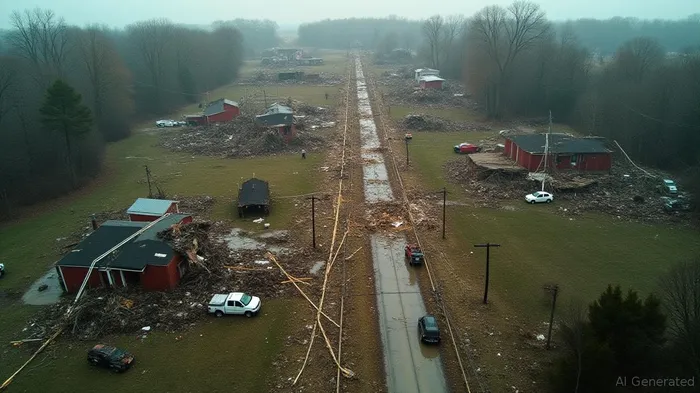
The Case for Alarm: We Energies' Ground Zero
Let's start with the numbers. In June 2023, a windstorm left 30,000 customers without power, with 13,000 still in the dark days later. Fast-forward to June 2025, and the same region is reeling from 43,000 outages, 53 road-buckling incidents (a record for this time of year), and heat indices hitting 100°F. These aren't flukes—they're data points in a trend.
The root cause? Aging infrastructure. We Energies' grid, like much of the U.S. system, was built for a 20th-century climate. PolesPOLE--, lines, and transformers designed for 50-year storms are now facing weather events that once occurred once a century but now happen every few years.
The Triple Threat to Utilities
Physical Risks: Storms and heat are direct hits to profit margins. Every downed line costs millions to repair, and prolonged outages risk customer trust.
Regulatory Pressures: Wisconsin's Public ServicePEG-- Commission won't tolerate inaction. In 2024, regulators forced WEC to detail its grid modernization plans, including $2 billion allocated for smart meters and underground lines. But is that enough?
Investor Risks: Dividends are on thin ice. WEC's payout ratio (dividends relative to earnings) has hit 80% in recent quarters. If outages spike costs or regulators cap rate hikes, payouts could be slashed.
The Silver Lining: Investing in Resilience
Not all utilities are sitting ducks. Companies like NextEra EnergyNEE-- (NEE) and Xcel EnergyXEL-- (XEL) are outpacing peers by embedding climate adaptation into their DNA. Here's how to spot winners:
- Capital Allocation: Look for utilities plowing 15%+ of revenue into grid hardening, not just shareholder returns.
- Tech Partnerships: Smart grid tech (e.g., AI for outage prediction) isn't optional—it's a lifeline.
- Diversification: Utilities with renewable portfolios (solar/wind) and microgrid investments can hedge against fossil-fuel volatility.
The Bottom Line: Due Diligence is Non-Negotiable
Investors in WEC must ask: Is this utility doubling down on outdated assets, or is it pivoting to a climate-ready model? The answer lies in its balance sheet and lobbying efforts.
- Red Flag: If WEC's modernization projects are delayed or underfunded, sell.
- Green Light: If it's winning federal grants (e.g., Inflation Reduction Act funds) for grid upgrades, stay.
Final Take: Play the Trend, Not the Company
The climate crisis isn't a passing storm—it's a permanent shift. While WEC's stock may recover from outage-driven dips, long-term success hinges on its ability to transform. For now, bet on utilities that treat resilience as a core competency, not an afterthought.
Action Items:
1. Avoid utilities with high debt and low modernization spend (WEC's peers like AEP (AEP) are in the same boat).
2. Buy into grid-tech leaders like Dominion Energy (D) or NextEra.
3. Monitor WEC's regulatory hearings—its next rate case (2026) will reveal its true priorities.
The grid of the past won't survive the climate of the future. Investors who ignore that reality are playing with fire.
—Jim Cramer (though he'd never admit it)

Delivering real-time insights and analysis on emerging financial trends and market movements.
Latest Articles
Stay ahead of the market.
Get curated U.S. market news, insights and key dates delivered to your inbox.






Comments
No comments yet