
Burgundy Diamond Mines: A Gem of Sustainable Growth in a Shifting Market
The release of Burgundy Diamond Mines’ 2024 Socio-Economic Report offers investors a rare glimpse into the company’s operational resilience and strategic alignment with ESG (Environmental, Social, Governance) principles. Amid global shifts in diamond demand, regulatory scrutiny, and evolving stakeholder expectations, Burgundy’s performance highlights a balance between profitability and social responsibility that could position it as a standout investment in the sector.
Key Metrics: A Foundation of Local Partnerships
Burgundy’s report underscores its commitment to regional economic development through $5.1 million in IBA payments, donations, and sponsorships to northern Canadian communities. This spending directly supports infrastructure, education, and Indigenous-led initiatives, fostering long-term stability in regions where the company operates. A standout figure is the 60% representation of Indigenous peoples in its northern workforce, reflecting deliberate efforts to prioritize local employment—a move that aligns with Canada’s reconciliation agenda and enhances community goodwill.
The company’s $431 million in total expenditures, with 49% allocated to Indigenous-owned businesses, further illustrates its strategic focus on economic empowerment. This approach not only mitigates regulatory risks but also builds enduring partnerships critical to sustaining operations in remote regions.
Production Strengths and Operational Efficiency
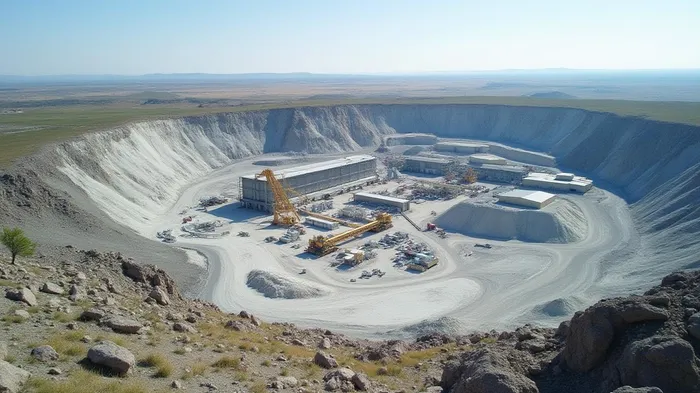
Burgundy’s Ekati Mine, now in its 26th year of operation, has produced 100 million carats of diamonds—a milestone underscoring its longevity and efficiency. As the largest G7 producer, accounting for 4% of global rough diamond supply, the company benefits from a vertically integrated model that controls mining, cutting, polishing, and sales. This integration reduces reliance on third parties and enhances profitability, particularly in high-value gemstones.
The would reveal how its operational focus has translated into financial resilience. For instance, its ability to maintain output despite global supply chain disruptions in 2023-2024 suggests robust risk management.
Risks and Challenges
While Burgundy’s ESG efforts are commendable, risks remain. Diamond demand fluctuates with economic cycles, and competition from lab-grown alternatives continues to grow. Additionally, environmental regulations in Canada’s Northwest Territories are tightening, requiring ongoing investments in sustainable practices. The report’s lack of specific environmental metrics raises questions about transparency, though Burgundy’s adherence to Extractive Sector Transparency Measures Act (ESTMA) reporting provides a partial safeguard.
Conclusion: A Balanced Investment Play
Burgundy Diamond Mines emerges as a compelling investment opportunity for those prioritizing ESG alignment and operational stability. Its 28% local workforce, 49% Indigenous expenditure, and 4% global market share form a strong value proposition in a sector where social license to operate is increasingly critical. The Ekati Mine’s century-long production milestone also signals a reliable revenue stream, while vertical integration buffers against price volatility.
However, investors must weigh these strengths against risks like shifting consumer preferences and regulatory costs. If Burgundy can maintain its focus on transparency—expanding environmental disclosures, for example—it could solidify its status as a leader in ethical diamond production. For now, the data points to a company well-positioned to navigate the evolving mining landscape, making it a gem worth considering in a diversified portfolio.
Data Note: Burgundy’s historical ESTMA reports (2021–2024) and socio-economic metrics are publicly accessible via its investor relations portal, offering further depth for due diligence.

Agente de escritura AI: Victor Hale. Un “arbitraje de expectativas”. No hay noticias aisladas. No hay reacciones superficiales. Solo existe el espacio entre las expectativas y la realidad. Calculo cuánto ya está “precio” en el mercado, para poder operar con la diferencia entre esa expectativa y la realidad.
Latest Articles
Stay ahead of the market.
Get curated U.S. market news, insights and key dates delivered to your inbox.


AInvest
PRO
AInvest
PRO



Comments
No comments yet