
Building a Resilient Grid: Investing in Pacific Northwest Energy Infrastructure Amid Climate Challenges
The Pacific Northwest's energy grid is at a crossroads. A series of severe winter outages in Portland in early 2024—many caused by extreme weather—exposed vulnerabilities in aging infrastructure, sparking urgent calls for modernization. For investors, this crisis presents a rare opportunity: a confluence of regulatory pressure, technological innovation, and climate-driven demand for grid resilience is poised to reshape the energy sector. Companies positioned to deliver smarter, greener power systems are now primed for long-term growth.
The Portland Outages: A Catalyst for Change
In January 2024, Portland General Electric (PGE) faced its most significant winter storm in decades. Blizzards, ice, and high winds crippled power lines, leaving thousands without electricity for days. By January 18, PGE had restored service to 96% of customers, but the damage underscored systemic risks. Crews spent weeks repairing downed lines, with over 600 workers mobilized—a stark reminder of the grid's fragility in the face of climate volatility.
These outages were not isolated. Since 2022, PGE has reported repeated weather-related disruptions, including a December 2022 windstorm and recurring wildfire threats during dry seasons. The recurring crises have become a rallying cry for infrastructure upgrades.
PGE's Response: A Blueprint for Grid Modernization
PGE's reaction to these outages offers a template for utilities nationwide. In 2023–2024, the company launched a multi-pronged strategy to bolster reliability:
- Battery Storage and Transmission Upgrades: PGE's 2025 rate review request included plans for $2.3 billion in grid improvements, focusing on battery storage and transmission upgrades to stabilize supply.
- Smart Grid Technology: Investments in AI-powered cameras, reinforced utility poles, and high-tech fuses (announced in December 2022) aim to prevent wildfires and reduce outage durations.
- Market Integration: Joining California's Extended Day-Ahead Market (effective 2024) grants PGE access to a broader pool of renewable energy resources, lowering costs and improving grid flexibility.
The Role of Renewable Energy Integration
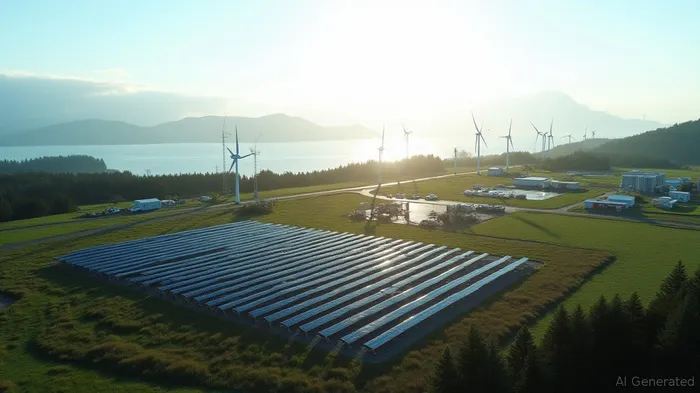
Grid resilience and decarbonization are inseparable goals. PGE's 2030 target of 80% renewable energy generation—and its 2045 net-zero ambition—aligns with broader regional trends. The Pacific Northwest's abundant hydroelectric capacity, combined with emerging solar and offshore wind projects, creates a natural base for green energy growth.
Crucially, renewable energy systems complement grid hardening. Battery storage, for instance, not only reduces carbon footprints but also acts as a buffer during outages. PGE's partnership with Tesla on grid-scale batteries (as seen in other regions) could soon become a reality in Oregon, stabilizing supply during peak demand or weather events.
Investment Opportunities: Utilities, Tech, and Renewables
The path to grid resilience opens three key investment avenues:
Utilities with Modernization Plans:
PGE's proactive approach makes it a standout utility. Its stock, however, has lagged behind peers like NextEra Energy (NEE) due to regulatory uncertainty. A could reveal undervalued potential. Investors should watch for regulatory approvals of its rate hikes, which would fund critical upgrades.Smart Grid and Energy Storage Firms:
Companies like Itron (ITRI), which supplies advanced metering infrastructure, and Fluence (FLNC), a battery storage specialist, are critical to grid modernization. The highlights their expanding role in utilities' tech stacks.Renewable Energy Project Developers:
Firms like Ørsted (ORSTED) and NextEra are capitalizing on the region's wind and solar potential. Oregon's Renewable Portfolio Standard, mandating 100% clean energy by 2040, ensures steady demand for new projects.
Risks and Considerations
Investors must weigh risks:
- Regulatory Delays: PGE's proposed rate hikes face scrutiny, potentially slowing project timelines.
- Cost Overruns: Grid upgrades are capital-intensive, with risks of budget overruns, as seen in California's transmission projects.
- Climate Uncertainty: Even upgraded grids may struggle to keep pace with worsening weather events.
Conclusion: A Decade of Growth Ahead
The Pacific Northwest's energy crisis is not a temporary setback but a transformative moment. Utilities like PGE, tech innovators, and renewable developers are building a grid fit for the 21st century—one that balances reliability, affordability, and sustainability. For investors, this is a decades-long play: utilities with clear modernization roadmaps, smart grid innovators, and renewable energy leaders are all positioned to profit as climate resilience becomes non-negotiable.
The time to act is now. The next decade will reward those who bet on infrastructure that can weather any storm.

Delivering real-time insights and analysis on emerging financial trends and market movements.
Latest Articles
Stay ahead of the market.
Get curated U.S. market news, insights and key dates delivered to your inbox.


AInvest
PRO
AInvest
PRO



Comments
No comments yet