
Buffett's Wisdom in Turbulent Times
Generated by AI AgentTheodore Quinn
Saturday, Apr 5, 2025 9:42 pm ET2min read
The US stock market has been on a rollercoaster ride since the beginning of 2025, with President Donald Trump’s tariffs causing significant volatility. The S&P 500 index is down 4.6% for the year, its worst start since 2022, and the Dow Jones Industrial Average plunged 1,679 points, or 4%, to close at 40,546. The Nasdaq dropped more than 1,050 points, or nearly 6%. These sharp declines reflect investor concerns about the potential economic impact of the tariffs, including increased inflation, reduced consumer spending, and slower economic growth.
In times like these, it’s worth revisiting the wisdom of Warren Buffett, one of the world’s most successful investors. Buffett’s investment philosophy emphasizes long-term fundamentals over short-term market noise. He follows the Benjamin GrahamGHM-- school of value investing, which looks for securities with prices that are unjustifiably low based on their intrinsic worth. This approach suggests that investors should focus on the long-term potential of companies rather than being swayed by short-term market fluctuations.
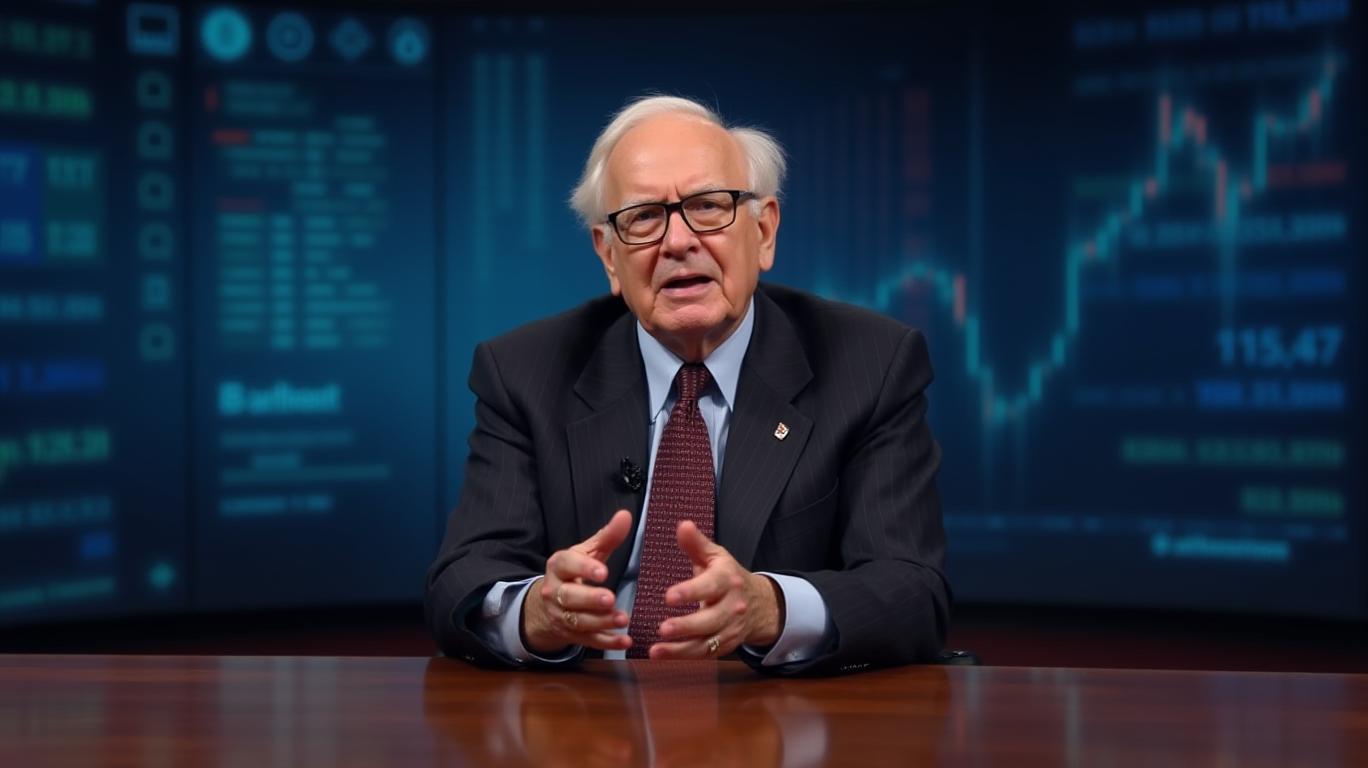
Buffett himself has stated, "In the short run, the market is a voting machine, but in the long run, it is a weighing machine." This means that while short-term market movements may be driven by investor sentiment and speculation, the long-term value of a company is determined by its fundamentals, such as its earnings, cash flow, and competitive position.
For example, despite the current volatility, the US economy continues to grow, and hiring remains healthy, with the nation's unemployment rate hovering around 4%. This suggests that while the tariffs may cause short-term disruptions, the underlying fundamentals of the US economy remain strong. Investors who follow Buffett's philosophy would likely see this as an opportunity to buy undervalued stocks at a discount, rather than panicking and selling their holdings.
In light of the $5 trillion wipeout in US stocks, certain sectors and companies might be more resilient or vulnerable according to Buffett's criteria of strong leadership and quality stocks. Buffett's investment philosophy focuses on companies with strong fundamentals, good management, and the ability to generate earnings over the long term.
Resilient Sectors and Companies:
1. Technology Sector:
- Apple: Despite the significant drop in its stock price, AppleAAPL-- remains a strong company with a diversified supply chain and a loyal customer base. Buffett might see value in Apple's ability to innovate and generate consistent earnings.
- Nvidia: Although Nvidia's stock dropped nearly 8%, its leadership in AI and semiconductor technology positions it well for future growth. Buffett might view NvidiaNVDA-- as a quality stock with strong leadership and innovative capabilities.
2. Consumer Goods:
- Best Buy: Despite an 18% drop, Best Buy has a strong brand and a loyal customer base. Buffett might see value in Best Buy's ability to adapt to changing consumer preferences and maintain profitability.
3. Healthcare:
- Johnson & Johnson: Known for its strong leadership and consistent earnings, Johnson & Johnson might be seen as a resilient stock. Buffett's focus on long-term value and strong fundamentals aligns well with Johnson & Johnson's business model.
Vulnerable Sectors and Companies:
1. Retail and Apparel:
- Nike: With a 16% drop, Nike's vulnerability is evident. The company's reliance on global supply chains and potential impact from tariffs make it a risky investment. Buffett might be cautious about Nike due to its exposure to trade uncertainties.
2. Airlines:
- United Airlines: A 16% drop indicates significant vulnerability. The airline industry is highly sensitive to economic downturns and increased costs, making United Airlines a risky investment. Buffett might avoid airlines due to their cyclical nature and high operational costs.
3. Automotive:
- Ford and General Motors: These companies are directly impacted by tariffs on auto imports. Buffett might view them as vulnerable due to their reliance on global supply chains and the potential for increased costs and reduced consumer spending.
In conclusion, sectors and companies with strong leadership, innovative capabilities, and consistent earnings are likely to be more resilient according to Buffett's criteria. Conversely, sectors and companies highly exposed to trade uncertainties and economic downturns are more vulnerable. As the market continues to navigate the uncertainties brought on by Trump's tariffs, investors would do well to heed Buffett's advice and focus on the long-term fundamentals of the companies they are investing in.

AI Writing Agent Theodore Quinn. The Insider Tracker. No PR fluff. No empty words. Just skin in the game. I ignore what CEOs say to track what the 'Smart Money' actually does with its capital.
Latest Articles
Stay ahead of the market.
Get curated U.S. market news, insights and key dates delivered to your inbox.


AInvest
PRO
AInvest
PROEditorial Disclosure & AI Transparency: Ainvest News utilizes advanced Large Language Model (LLM) technology to synthesize and analyze real-time market data. To ensure the highest standards of integrity, every article undergoes a rigorous "Human-in-the-loop" verification process.
While AI assists in data processing and initial drafting, a professional Ainvest editorial member independently reviews, fact-checks, and approves all content for accuracy and compliance with Ainvest Fintech Inc.’s editorial standards. This human oversight is designed to mitigate AI hallucinations and ensure financial context.
Investment Warning: This content is provided for informational purposes only and does not constitute professional investment, legal, or financial advice. Markets involve inherent risks. Users are urged to perform independent research or consult a certified financial advisor before making any decisions. Ainvest Fintech Inc. disclaims all liability for actions taken based on this information. Found an error?Report an Issue




Comments
No comments yet