
Buffett’s Final Act: The Era of Greg Abel Begins at Berkshire Hathaway
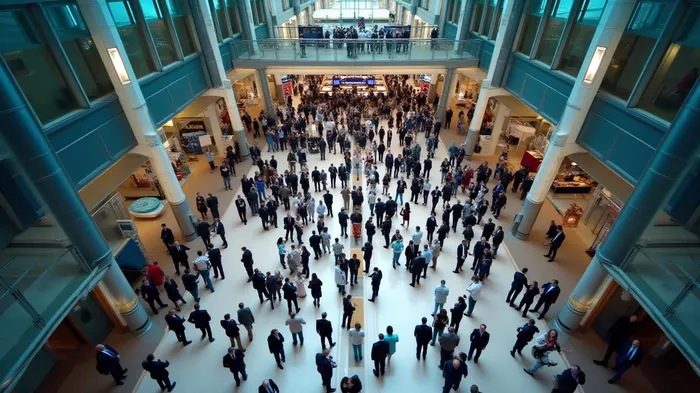
The 2025 Berkshire HathawayBRK.B-- annual meeting marked a historic turning point: Warren Buffett’s 55-year reign as CEO will end by year’s end, with Greg Abel poised to take the helm. As shareholders flooded Omaha’s CHI Health Center, the focus shifted from the “Oracle of Omaha” to the next chapter of one of the world’s most iconic investment firms.
The Leadership Transition: A Delicate Handoff
Buffett’s announcement was unequivocal: Abel, 62, will become CEO by December 2025. This transition, long-anticipated since Buffett named Abel his successor in 2021, underscores a critical shift for Berkshire. While Buffett will retain the chairman title, Abel’s proven track record in managing Berkshire’s non-insurance businesses—utilities, railroads, and retail—positions him to navigate a post-Buffett era.
The meeting’s emotional tone was palpable. Buffett humorously deflected suggestions he’d withhold investments to ease Abel’s path: “I wouldn’t withhold investments to make Greg look good.” Abel, in turn, acknowledged the weight of the role: “This is an honor and responsibility I will approach with humility.”
Financial Strategy: Cash, Caution, and the Abel Blueprint
Berkshire’s Q1 2025 results revealed a 14% drop in operating profit to $9.64 billion, driven by soft insurance underwriting and foreign exchange headwinds. Yet, the firm’s cash pile swelled to a record $347.7 billion, a stark reminder of Buffett’s stock-selling spree in 2024.
Buffett tempered expectations for imminent deals: “It’s very unlikely to happen tomorrow… probabilities of finding a good buy get higher as you go along.” Abel, however, framed the cash as a “strategic asset” to avoid reliance on external financing. This philosophy aligns with Berkshire’s long-term mindset but raises questions about how Abel will balance Buffett’s conservative approach with potential modernization.
Trade, Tariffs, and the Global Crossroads
Buffett’s critique of protectionist trade policies dominated discussions. He lambasted tariffs as a “tax on goods”, citing their disruptive impact on Berkshire’s railroads, furniture retailers, and insurance divisions. The remarks indirectly targeted former policies of the Trump administration, highlighting the firm’s vulnerability to geopolitical shifts.
Abel’s response? A pragmatic focus on operational resilience: “We will never be dependent on a bank or some other party for Berkshire to be successful.” This dual emphasis on cash and self-reliance signals a strategic pivot toward defensive positioning in an uncertain global landscape.
The Investment Legacy: Apple, Japan, and the Buffett Brand
Buffett’s enduring praise for Apple CEO Tim Cook—“Tim has made Berkshire more money than I have”—spotlights the $30 billion Apple stake as a cornerstone of Berkshire’s portfolio. Meanwhile, Buffett reaffirmed Berkshire’s “decades-long” commitment to its Japanese trading company investments, a move that reflects Abel’s influence as a global strategist.
Conclusion: Abel’s Berkshire—A New Dawn or Familiar Path?
Greg Abel’s ascension faces twin challenges: maintaining Buffett’s legacy while adapting to evolving markets. With $347.7 billion in cash and a proven track record in infrastructure and retail, Abel is well-positioned to deploy capital strategically. However, his success hinges on balancing Buffett’s conservative ethos with the demands of a fast-changing economy.
Shareholders, meanwhile, can take solace in Berkshire’s enduring strengths. The firm’s record attendance (19,700 attendees) and subsidiary booth sales—$317,000 for See’s Candies alone—underscore its cultural and financial staying power. As Abel inherits the baton, the question remains: Will he build on Buffett’s blueprint, or forge a new path for Berkshire’s next 50 years? The answer, much like Buffett’s deals, will take time to reveal.

Stay ahead of the market.
Get curated U.S. market news, insights and key dates delivered to your inbox.




Comments
No comments yet