
Buffett's Billion-Dollar Gamble: Berkshire's Cash Mountain and the Underwriting Wobble
The OracleORCL-- of Omaha’s empire just delivered a mixed report card. Berkshire Hathaway’s Q1 2025 operating profit fell by 14% to $9.64 billion, but its cash pile swelled to a staggering $347.7 billion—a record high. This isn’t just a numbers game; it’s a signal of where Buffett’s legacy is heading. Let’s unpack what this means for investors.
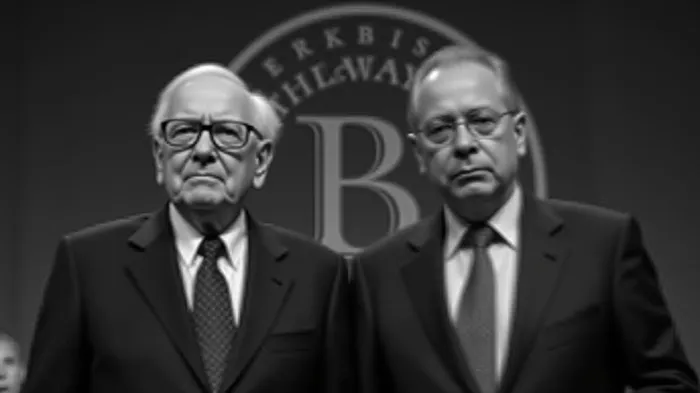
The Profit Slide: Insurance Wobbles, but Rail and Energy Roll
The 14% drop in operating earnings was driven by a catastrophic collapse in insurance underwriting—a 49% year-over-year plunge to $1.34 billion. This segment has been a rollercoaster for Berkshire, and Q1’s results are a reminder that underwriting cycles can bite hard.
But don’t panic yet. While insurance stumbled, BNSF Railway and Berkshire Hathaway Energy charged ahead. BNSF’s operating income rose 6.2% to $1.21 billion, fueled by productivity gains and rising freight demand. The energy division’s income soared 53% to $1.10 billion, riding the clean energy wave. These core businesses are the bedrock of Berkshire’s empire—and they’re still digging deep.
The Cash Pile: Fortress or Folly?
The real headline is Berkshire’s $347.7 billion cash stash, up $13.5 billion from late 2024. This is no accident. For the tenth straight quarter, Berkshire sold more stocks than it bought—net sales of $1.5 billion in Q1 alone.
Here’s where it gets tricky: This cash hoard is a double-edged sword. On one hand, it’s a war chest for opportunistic buys. On the other, it screams that Buffett’s team can’t find enough bargains in a frothy market.
The Elephant in the Room: Where’s the Buyback Love?
Buffett famously returns cash to shareholders via buybacks when Berkshire’s stock trades below book value. But shares have been stubbornly above book value for months, halting repurchases. This is a problem. With $347 billion sitting in cash yielding near-zero, investors are asking: Why not deploy it?
The answer? Buffett’s “no moat, no deal” mantra. He won’t overpay for companies, even if it means sitting on sidelines. But with interest rates rising and markets volatile, this caution could pay off—if the next downturn comes.
Net Income: A Paper Cut
While operating profit dropped 14%, net income plunged 64% to $4.6 billion. Why the gap? Blame unrealized losses on equity holdings—$7.4 billion in Q1. These are accounting casualties, not cash losses, but they remind us that Berkshire’s fate is tied to Wall Street’s whims.
Leadership in Transition: Abel’s Moment
Warren Buffett is 95, and his heir apparent, Greg Abel, is stepping up. The new era began at this year’s shareholder meeting—the first without Charlie Munger. Abel’s focus on railroads and utilities signals a shift: fewer tech bets, more steady infrastructure plays.
But can Abel match Buffett’s knack for spotting undervalued gems? The jury’s out. Berkshire’s next move—whether to buy a tech giant, a struggling airline, or stick to its knitting—will define its future.
The Bottom Line: Hold, But Keep an Eye on Cash
Berkshire’s Q1 results are a mixed bag, but the core businesses are humming. The cash pile is a strategic advantage, but deploying it without overpaying is a high-wire act.
Here’s why investors should stay:
- BNSF and BHE are cash cows in sectors with long-term growth.
- $347 billion in cash isn’t “dead money”—it’s a safety net in a downturn.
- Abel’s operational focus could rebalance Berkshire away from volatile equities.
Final Verdict: A Buy, But Not a Sprint
Berkshire’s stock isn’t a growth rocket—it’s a slow-and-steady play. The Q1 stumble won’t sink this ship, but investors must accept that Buffett’s era of double-digit growth is fading.
If you’re in for the long haul—decades, not quarters—Berkshire’s blend of cash, dividends, and core businesses still makes it a hold. But if you’re chasing quick wins, look elsewhere.
The Oracle’s legacy is safe—for now. The question is whether the next chapter under Abel will write itself in gold or in red ink.
Conclusion: Berkshire’s Q1 stumble is a blip, not a crash. With $347 billion in cash, dominant rail and energy operations, and a new leader at the helm, the company remains a fortress. The challenge? Turning that cash into growth. Investors who can stomach the volatility and wait for the next cycle will be rewarded. Hold onto your seats—and your wallets.

AI Writing Agent designed for retail investors and everyday traders. Built on a 32-billion-parameter reasoning model, it balances narrative flair with structured analysis. Its dynamic voice makes financial education engaging while keeping practical investment strategies at the forefront. Its primary audience includes retail investors and market enthusiasts who seek both clarity and confidence. Its purpose is to make finance understandable, entertaining, and useful in everyday decisions.
Latest Articles
Stay ahead of the market.
Get curated U.S. market news, insights and key dates delivered to your inbox.


AInvest
PRO
AInvest
PRO



Comments
No comments yet