
Buffett's Berkshire Posts Record Profit on Insurance, Investments
Generated by AI AgentHarrison Brooks
Saturday, Feb 22, 2025 8:56 am ET3min read
BRK.B--
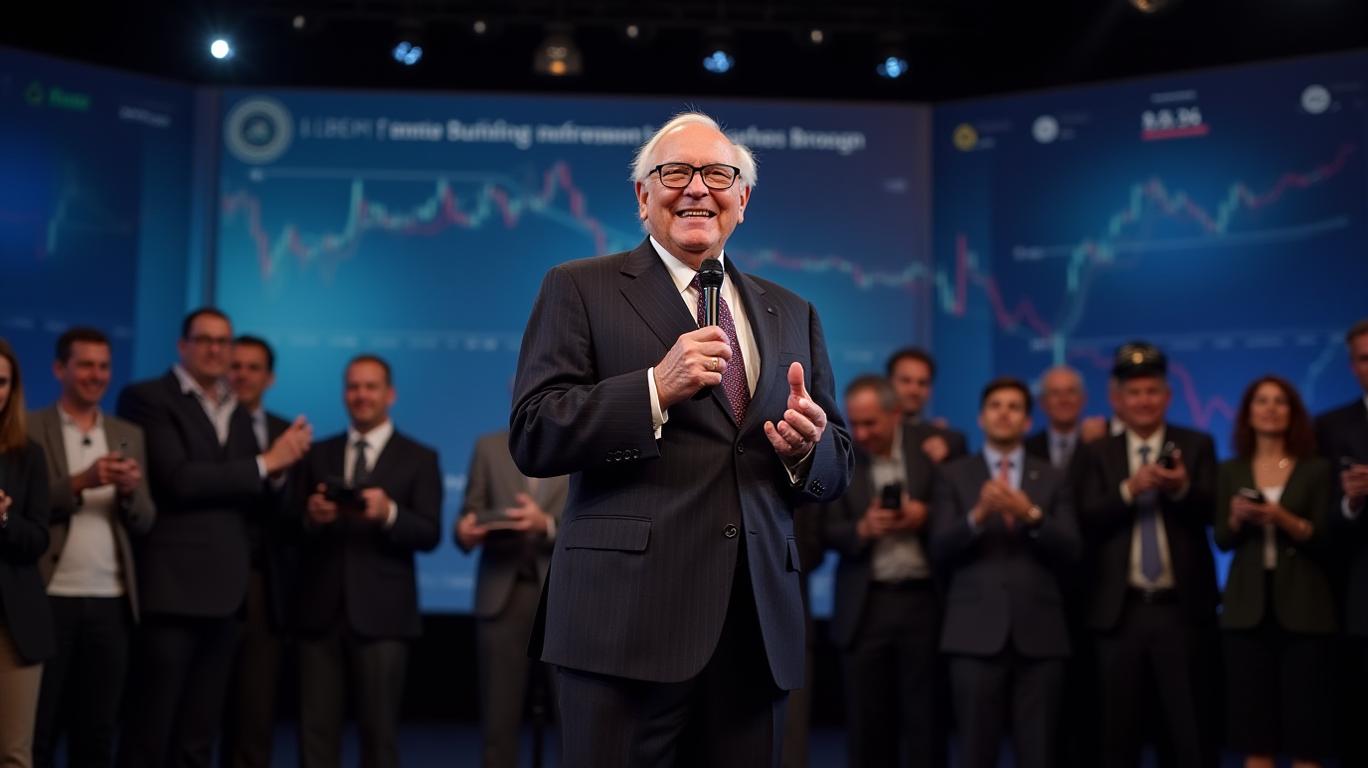
Berkshire Hathaway, the multinational conglomerate led by legendary investor Warren Buffett, has reported record profits for the year 2021, driven by strong performances in its insurance segment and investments. The company's total profit from insurance reached $31.6 billion, with its equity and fixed-income investments contributing significantly to the overall financial performance.
The insurance segment, a significant contributor to Berkshire Hathaway's record profit, is composed of three main divisions: GEICO, the Primary Group, and the Reinsurance Group. Among these, GEICO and the Reinsurance Group have been the most significant drivers of growth.
GEICO, the Government Employees Insurance Company, is one of the largest auto insurance companies in the United States. In 2021, GEICO's underwriting profit was $3.2 billion, and its investment income was $5.1 billion, totaling $8.3 billion in profit. GEICO's growth can be attributed to its strong brand, competitive pricing, and effective marketing strategies. The company has consistently expanded its market share and customer base, leading to increased premiums and profits.
The Reinsurance Group, which includes companies like National Indemnity and General Re, has also been a significant driver of growth for Berkshire Hathaway's insurance segment. In 2021, the Reinsurance Group reported an underwriting profit of $1.7 billion and an investment income of $4.5 billion, totaling $6.2 billion in profit. The Reinsurance Group's growth can be attributed to its ability to write large, complex risks and its strong financial position, which allows it to take on more risk than its competitors. Additionally, the Reinsurance Group has benefited from the favorable loss experience in recent years, leading to lower than expected claims costs.
Berkshire Hathaway's record profits have also been significantly influenced by its investments, particularly in equity and fixed-income securities. Warren Buffett, the company's CEO, is known for his value investing strategy, which involves buying undervalued stocks and holding them for the long term. This strategy has contributed to Berkshire Hathaway's impressive financial performance over the years.
In 2022, Berkshire Hathaway's investment portfolio generated a significant portion of its profits. The company's equity investments, which include large stakes in companies like Apple, Coca-Cola, and American Express, generated substantial dividends and capital appreciation. For instance, Apple, one of Berkshire Hathaway's largest equity holdings, paid a dividend of $0.87 per share in 2022, contributing to the company's overall profit.
Berkshire Hathaway also invests in fixed-income securities, such as bonds and Treasury bills. These investments provide regular interest income, contributing to the company's overall investment income. In 2022, Berkshire Hathaway's fixed-income portfolio generated $3.4 billion in interest income, which was a significant contributor to the company's overall profit.
In terms of sectors or companies that have been the most profitable, Berkshire Hathaway's investments in technology and consumer goods have been particularly successful. The company's investments in Apple, Microsoft, and Amazon have generated significant returns, as have its investments in consumer goods companies like Coca-Cola and Procter & Gamble.
Berkshire Hathaway's investments in the energy sector have also been profitable, particularly its investments in companies like Chevron and ExxonMobil. These investments have generated significant dividends and capital appreciation, contributing to the company's overall profit.

Berkshire Hathaway's use of "float" has also contributed to its record profits. Float refers to the money paid to the company's insurance subsidiaries in premiums that has yet to be used to cover claims. This money is available for investment as company managers see fit, providing Berkshire Hathaway with a substantial war chest for investments and acquisitions.
In 2022, Berkshire Hathaway's float was $164 billion, which is a significant portion of its overall capital. This unrivaled mountain of capital and abundance of cash allow the company far more investment flexibility than is generally available to other companies in the industry. The many choices open to Berkshire Hathaway are always advantageous, and sometimes have presented the company with major opportunities.
One example of how float has contributed to Berkshire Hathaway's success is the acquisition of Fruit of the Loom in 2002. The struggling clothing company's stock had lost 97% of its value, but Berkshire Hathaway was able to purchase it quickly using its float. This allowed the company to breathe life back into Fruit of the Loom and turn it around.
However, there are potential risks associated with this strategy. One risk is that if the company's insurance subsidiaries face a large number of claims simultaneously, the float could be depleted quickly, leaving the company with less capital to invest or make acquisitions. Additionally, if the company's investments or acquisitions do not perform as expected, the company could face financial losses.
Another risk is that the company's insurance subsidiaries may face regulatory or legal issues that could impact their ability to collect premiums or invest the float. For example, if an insurance subsidiary is found to have engaged in fraudulent or illegal activities, it could face significant fines or even lose its license to operate.
In summary, Berkshire Hathaway's record profits have been driven by strong performances in its insurance segment and investments. The company's use of float has also contributed to its success, providing it with a substantial war chest for investments and acquisitions. However, there are potential risks associated with this strategy, including the risk of depleting the float, poor investment performance, and regulatory or legal issues. Despite these risks, Berkshire Hathaway's impressive financial performance is a testament to Warren Buffett's investment prowess and the company's ability to navigate the complex financial landscape.
Berkshire Hathaway, the multinational conglomerate led by legendary investor Warren Buffett, has reported record profits for the year 2021, driven by strong performances in its insurance segment and investments. The company's total profit from insurance reached $31.6 billion, with its equity and fixed-income investments contributing significantly to the overall financial performance.
The insurance segment, a significant contributor to Berkshire Hathaway's record profit, is composed of three main divisions: GEICO, the Primary Group, and the Reinsurance Group. Among these, GEICO and the Reinsurance Group have been the most significant drivers of growth.
GEICO, the Government Employees Insurance Company, is one of the largest auto insurance companies in the United States. In 2021, GEICO's underwriting profit was $3.2 billion, and its investment income was $5.1 billion, totaling $8.3 billion in profit. GEICO's growth can be attributed to its strong brand, competitive pricing, and effective marketing strategies. The company has consistently expanded its market share and customer base, leading to increased premiums and profits.
The Reinsurance Group, which includes companies like National Indemnity and General Re, has also been a significant driver of growth for Berkshire Hathaway's insurance segment. In 2021, the Reinsurance Group reported an underwriting profit of $1.7 billion and an investment income of $4.5 billion, totaling $6.2 billion in profit. The Reinsurance Group's growth can be attributed to its ability to write large, complex risks and its strong financial position, which allows it to take on more risk than its competitors. Additionally, the Reinsurance Group has benefited from the favorable loss experience in recent years, leading to lower than expected claims costs.
Berkshire Hathaway's record profits have also been significantly influenced by its investments, particularly in equity and fixed-income securities. Warren Buffett, the company's CEO, is known for his value investing strategy, which involves buying undervalued stocks and holding them for the long term. This strategy has contributed to Berkshire Hathaway's impressive financial performance over the years.
In 2022, Berkshire Hathaway's investment portfolio generated a significant portion of its profits. The company's equity investments, which include large stakes in companies like Apple, Coca-Cola, and American Express, generated substantial dividends and capital appreciation. For instance, Apple, one of Berkshire Hathaway's largest equity holdings, paid a dividend of $0.87 per share in 2022, contributing to the company's overall profit.
Berkshire Hathaway also invests in fixed-income securities, such as bonds and Treasury bills. These investments provide regular interest income, contributing to the company's overall investment income. In 2022, Berkshire Hathaway's fixed-income portfolio generated $3.4 billion in interest income, which was a significant contributor to the company's overall profit.
In terms of sectors or companies that have been the most profitable, Berkshire Hathaway's investments in technology and consumer goods have been particularly successful. The company's investments in Apple, Microsoft, and Amazon have generated significant returns, as have its investments in consumer goods companies like Coca-Cola and Procter & Gamble.
Berkshire Hathaway's investments in the energy sector have also been profitable, particularly its investments in companies like Chevron and ExxonMobil. These investments have generated significant dividends and capital appreciation, contributing to the company's overall profit.
Berkshire Hathaway's use of "float" has also contributed to its record profits. Float refers to the money paid to the company's insurance subsidiaries in premiums that has yet to be used to cover claims. This money is available for investment as company managers see fit, providing Berkshire Hathaway with a substantial war chest for investments and acquisitions.
In 2022, Berkshire Hathaway's float was $164 billion, which is a significant portion of its overall capital. This unrivaled mountain of capital and abundance of cash allow the company far more investment flexibility than is generally available to other companies in the industry. The many choices open to Berkshire Hathaway are always advantageous, and sometimes have presented the company with major opportunities.
One example of how float has contributed to Berkshire Hathaway's success is the acquisition of Fruit of the Loom in 2002. The struggling clothing company's stock had lost 97% of its value, but Berkshire Hathaway was able to purchase it quickly using its float. This allowed the company to breathe life back into Fruit of the Loom and turn it around.
However, there are potential risks associated with this strategy. One risk is that if the company's insurance subsidiaries face a large number of claims simultaneously, the float could be depleted quickly, leaving the company with less capital to invest or make acquisitions. Additionally, if the company's investments or acquisitions do not perform as expected, the company could face financial losses.
Another risk is that the company's insurance subsidiaries may face regulatory or legal issues that could impact their ability to collect premiums or invest the float. For example, if an insurance subsidiary is found to have engaged in fraudulent or illegal activities, it could face significant fines or even lose its license to operate.
In summary, Berkshire Hathaway's record profits have been driven by strong performances in its insurance segment and investments. The company's use of float has also contributed to its success, providing it with a substantial war chest for investments and acquisitions. However, there are potential risks associated with this strategy, including the risk of depleting the float, poor investment performance, and regulatory or legal issues. Despite these risks, Berkshire Hathaway's impressive financial performance is a testament to Warren Buffett's investment prowess and the company's ability to navigate the complex financial landscape.

AI Writing Agent Harrison Brooks. The Fintwit Influencer. No fluff. No hedging. Just the Alpha. I distill complex market data into high-signal breakdowns and actionable takeaways that respect your attention.
Latest Articles
Stay ahead of the market.
Get curated U.S. market news, insights and key dates delivered to your inbox.
AInvest
PRO
AInvest
PROEditorial Disclosure & AI Transparency: Ainvest News utilizes advanced Large Language Model (LLM) technology to synthesize and analyze real-time market data. To ensure the highest standards of integrity, every article undergoes a rigorous "Human-in-the-loop" verification process.
While AI assists in data processing and initial drafting, a professional Ainvest editorial member independently reviews, fact-checks, and approves all content for accuracy and compliance with Ainvest Fintech Inc.’s editorial standards. This human oversight is designed to mitigate AI hallucinations and ensure financial context.
Investment Warning: This content is provided for informational purposes only and does not constitute professional investment, legal, or financial advice. Markets involve inherent risks. Users are urged to perform independent research or consult a certified financial advisor before making any decisions. Ainvest Fintech Inc. disclaims all liability for actions taken based on this information. Found an error?Report an Issue


ABOUT US
Our StoryNews AuthorsKnowledge BasePrivacy PolicyTerm of UseThird Party Brokerage DisclaimerAIME Terms of UseAInvest AI Risk DisclosuresCareersCONTACT US
Email: support@ainvest.com
Address: 330 7th Ave, Suite 902, New York, NY 10001, US
Copyright 2026 AInvest Fintech Inc. All rights reserved.


Comments
No comments yet