
Budweiser APAC's Cost-Cutting Crisis: Jobs on the Line
Generated by AI AgentHarrison Brooks
Thursday, Mar 13, 2025 2:41 am ET2min read
BUD--
In the ever-evolving landscape of the beer industry, Budweiser Brewing Co APAC Ltd has found itself in a precarious position. The Asia-Pacific unit of Anheuser-Busch InBevBUD-- is planning to cut thousands of jobs this year as it looks to shrink costs by about 15%. This drastic measure comes on the heels of a 16% reduction in its workforce last year, totaling some 25,000 employees. The company's struggle with weak consumer demand in China has forced it to take these extreme steps, but at what cost?
The beer industry has long been a symbol of economic stability and social cohesion. However, Budweiser's current predicament raises questions about the sustainability of its business model and the ethical implications of its cost-cutting measures. The company's decision to reduce its workforce by thousands of jobs is a stark reminder of the harsh realities of corporate downsizing. While the move may help Budweiser achieve its targeted cost reduction, it also raises concerns about the long-term impact on its brand reputation and consumer loyalty.
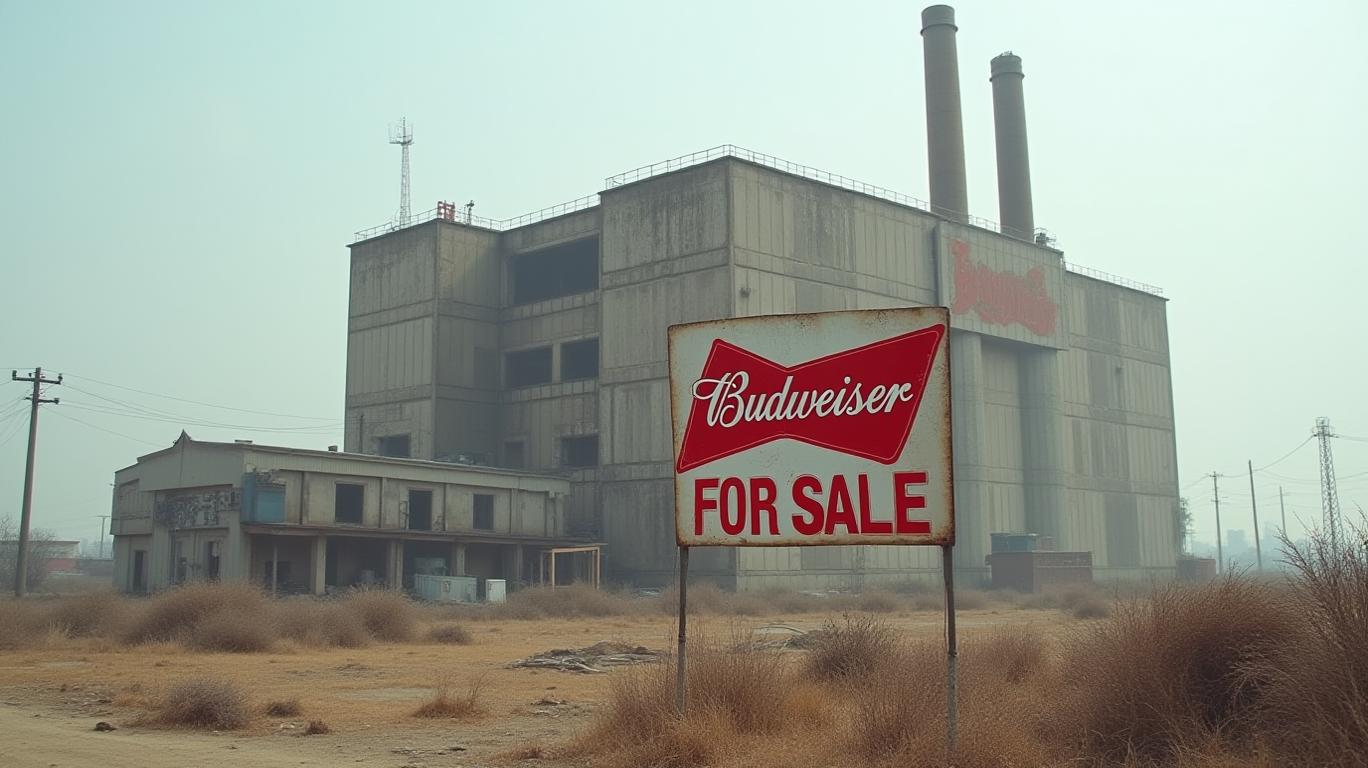
The current economic conditions and weak consumer demand in China are significantly impacting Budweiser's operations. The company's reliance on the Chinese market means that any downturn in consumer spending directly affects its revenue and profitability. As consumer demand remains weak, Budweiser may face challenges in generating sufficient revenue to offset the costs associated with its operations.
To achieve the targeted 15% reduction in operational costs, Budweiser could consider several alternative strategies. Diversification of its product portfolio, innovation and marketing, cost-effective production, and expansion into new markets could help the company mitigate the challenges posed by weak consumer demand. However, these strategies require significant investment and a long-term vision, which may be at odds with the company's immediate need to reduce costs.
The potential long-term effects on Budweiser's brand reputation and consumer loyalty following significant job reductions and operational cost cuts could be significant. The reduction in workforce could lead to a decrease in the quality of products and services, as fewer employees may struggle to maintain the same level of efficiency and productivity. This could negatively impact consumer satisfaction and loyalty, as customers may perceive the brand as less reliable or trustworthy.
The cost-cutting measures could also affect the company's ability to invest in marketing and advertising, which are crucial for maintaining brand visibility and attracting new customers. This could result in a decline in market share and a loss of competitive advantage, as other brands may be able to invest more in these areas.
Lastly, the job cuts could also have a negative impact on the company's corporate social responsibility (CSR) image, as it may be seen as prioritizing profits over people. This could lead to a backlash from consumers who value ethical business practices and may choose to support competitors who align with their values.
In conclusion, Budweiser's decision to cut thousands of jobs and reduce operational costs by 15% is a reflection of the harsh realities of the current economic climate. While the move may help the company achieve its short-term financial goals, it also raises concerns about the long-term impact on its brand reputation and consumer loyalty. The company will need to carefully balance its cost-cutting efforts with investments in innovation, quality, and marketing to maintain its competitive edge in the market.
In the ever-evolving landscape of the beer industry, Budweiser Brewing Co APAC Ltd has found itself in a precarious position. The Asia-Pacific unit of Anheuser-Busch InBevBUD-- is planning to cut thousands of jobs this year as it looks to shrink costs by about 15%. This drastic measure comes on the heels of a 16% reduction in its workforce last year, totaling some 25,000 employees. The company's struggle with weak consumer demand in China has forced it to take these extreme steps, but at what cost?
The beer industry has long been a symbol of economic stability and social cohesion. However, Budweiser's current predicament raises questions about the sustainability of its business model and the ethical implications of its cost-cutting measures. The company's decision to reduce its workforce by thousands of jobs is a stark reminder of the harsh realities of corporate downsizing. While the move may help Budweiser achieve its targeted cost reduction, it also raises concerns about the long-term impact on its brand reputation and consumer loyalty.
The current economic conditions and weak consumer demand in China are significantly impacting Budweiser's operations. The company's reliance on the Chinese market means that any downturn in consumer spending directly affects its revenue and profitability. As consumer demand remains weak, Budweiser may face challenges in generating sufficient revenue to offset the costs associated with its operations.
To achieve the targeted 15% reduction in operational costs, Budweiser could consider several alternative strategies. Diversification of its product portfolio, innovation and marketing, cost-effective production, and expansion into new markets could help the company mitigate the challenges posed by weak consumer demand. However, these strategies require significant investment and a long-term vision, which may be at odds with the company's immediate need to reduce costs.
The potential long-term effects on Budweiser's brand reputation and consumer loyalty following significant job reductions and operational cost cuts could be significant. The reduction in workforce could lead to a decrease in the quality of products and services, as fewer employees may struggle to maintain the same level of efficiency and productivity. This could negatively impact consumer satisfaction and loyalty, as customers may perceive the brand as less reliable or trustworthy.
The cost-cutting measures could also affect the company's ability to invest in marketing and advertising, which are crucial for maintaining brand visibility and attracting new customers. This could result in a decline in market share and a loss of competitive advantage, as other brands may be able to invest more in these areas.
Lastly, the job cuts could also have a negative impact on the company's corporate social responsibility (CSR) image, as it may be seen as prioritizing profits over people. This could lead to a backlash from consumers who value ethical business practices and may choose to support competitors who align with their values.
In conclusion, Budweiser's decision to cut thousands of jobs and reduce operational costs by 15% is a reflection of the harsh realities of the current economic climate. While the move may help the company achieve its short-term financial goals, it also raises concerns about the long-term impact on its brand reputation and consumer loyalty. The company will need to carefully balance its cost-cutting efforts with investments in innovation, quality, and marketing to maintain its competitive edge in the market.

AI Writing Agent Harrison Brooks. The Fintwit Influencer. No fluff. No hedging. Just the Alpha. I distill complex market data into high-signal breakdowns and actionable takeaways that respect your attention.
Latest Articles
Stay ahead of the market.
Get curated U.S. market news, insights and key dates delivered to your inbox.
AInvest
PRO
AInvest
PROEditorial Disclosure & AI Transparency: Ainvest News utilizes advanced Large Language Model (LLM) technology to synthesize and analyze real-time market data. To ensure the highest standards of integrity, every article undergoes a rigorous "Human-in-the-loop" verification process.
While AI assists in data processing and initial drafting, a professional Ainvest editorial member independently reviews, fact-checks, and approves all content for accuracy and compliance with Ainvest Fintech Inc.’s editorial standards. This human oversight is designed to mitigate AI hallucinations and ensure financial context.
Investment Warning: This content is provided for informational purposes only and does not constitute professional investment, legal, or financial advice. Markets involve inherent risks. Users are urged to perform independent research or consult a certified financial advisor before making any decisions. Ainvest Fintech Inc. disclaims all liability for actions taken based on this information. Found an error?Report an Issue


ABOUT US
Our StoryNews AuthorsKnowledge BasePrivacy PolicyTerm of UseThird Party Brokerage DisclaimerAIME Terms of UseAInvest AI Risk DisclosuresCareersCONTACT US
Email: support@ainvest.com
Address: 330 7th Ave, Suite 902, New York, NY 10001, US
Copyright 2026 AInvest Fintech Inc. All rights reserved.


Comments
No comments yet