
Buckle Up: Geopolitical Storms and the Case for Energy Exposure in 2025
The Middle East is once again the epicenter of geopolitical turbulence, with Israel-Iran hostilities threatening to upend global oil markets. As explosions rock Tehran and missiles rain on Tel Aviv, the region's critical energy infrastructure—Kharg Island, the Strait of Hormuz, and key refineries—faces unprecedented risks. This isn't just a regional skirmish; it's a catalyst for surging oil prices, geopolitical risk premiums, and a compelling case for strategic allocations to energy assets.
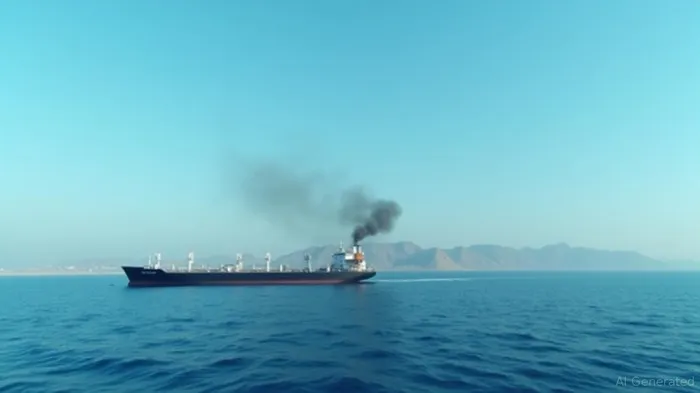
A History of Volatility, A New Era of Risk
Geopolitical conflicts have long been oil's archenemy. The 1973 Arab oil embargo sent prices soaring by 106%, while the 1990 Gulf War triggered a 107% spike in just weeks. Even the 2019 Saudi Aramco drone attack, which halted 5.7 million barrels/day of production, caused a 15% price surge—though the market stabilized quickly as Saudi Arabia rebounded.
But today's tensions are different. The Israel-Iran conflict targets energy infrastructure directly:
- Kharg Island: Handles 90% of Iran's oil exports. A strike here could cut global supply by 1.8 million barrels/day overnight.
- Strait of Hormuz: The chokepoint for 20 million barrels/day of crude. A blockage here would trigger panic buying and prices soaring beyond $100/bbl.
- Refineries: Israel's Haifa refinery (critical for regional fuel supply) and Iranian facilities have already sustained damage, hinting at prolonged disruptions.
Demand Resilience: Why Oil Won't Crash
Despite economic headwinds, crude demand remains stubbornly strong. The IEA forecasts 720,000 barrels/day growth in 2025, driven by non-OECD nations like India and Africa. Even as OECD demand shrinks (-120,000 b/d), emerging markets are offsetting declines. Meanwhile, OPEC's 2025 outlook is even rosier, projecting 1.29 million b/d growth—a stark contrast to the EIA's more cautious stance.
Crucially, supply risks outweigh demand fears:
- OPEC+ overproduction: Members like Iraq and the UAE are pumping beyond quotas, but this won't offset a Hormuz closure.
- U.S. shale's limits: Despite 280,000 b/d growth in 2025, U.S. output is constrained by low drilling margins and high geopolitical risk.
The Geopolitical Risk Premium: Why Oil Prices Will Stay Elevated
Investors aren't just pricing in today's disruptions—they're pricing in future uncertainty. The “risk premium” for oil now includes:
1. Conflict Duration: Prolonged strikes could cripple Iran's energy exports permanently, reshaping OPEC's dynamics.
2. Proxy Wars: Iranian-backed groups in Iraq (the second-largest OPEC producer) could target pipelines or terminals, worsening supply fears.
3. Sanctions Roulette: U.S. policy swings (e.g., a nuclear deal lifting sanctions) add volatility, but tensions make diplomatic breakthroughs unlikely.
Historically, such premiums kept prices elevated long after conflicts ended. Post-1991 Gulf War, oil stayed above $25/bbl for years due to lingering instability. Today's premium? Analysts at RBCRBC-- estimate it's $5–10/bbl, and it could widen if Kharg Island falls.
Investment Strategy: Own the Energy Upside
This isn't a call to bet everything on oil—but energy assets deserve a strategic slice of your portfolio. Here's how to play it:
1. Energy Equities: Focus on Diversification
- Oil Majors: Exxon Mobil (XOM) and Chevron (CVX) offer stable dividends and exposure to global production. Their stocks have underperformed in low-price environments but shine when geopolitical risks spike.
- Refiners: Companies like Marathon Petroleum (MPC) benefit from refining margins (already at six-month highs) if disruptions hit crude supply chains.
2. ETFs: Play the Sector with Flexibility
- Energy Select Sector SPDR Fund (XLE): Tracks 14 top energy firms, balancing upstream (drillers) and downstream (refiners).
- United States Oil ETF (USO): Tracks WTI futures, offering direct oil price exposure—but monitor contango costs.
3. Commodity-Backed Stocks: The Silver Lining
- Copper and Steel: Metals tied to infrastructure (e.g., Freeport-McMoRan FCX) could benefit from post-crisis rebuilding in the Middle East.
- Renewables: Paradoxically, energy uncertainty boosts green tech adoption (e.g., NextEra Energy NEE), as markets seek alternatives to volatile oil.
Risks and Reality Checks
- Overheating Exposure: If tensions ease (e.g., a U.S.-Iran deal), oil could drop sharply. Keep allocations below 10% of total assets.
- Demand Slump: A global recession could undercut prices. Monitor the EIA's revised demand forecasts closely.
Conclusion: Prepare for the Unavoidable
The Israel-Iran conflict isn't a blip—it's a new normal. Energy markets are pricing in years of instability, not just days. For investors, this means two things:
1. Allocate now: Use dips (e.g., post-truce rallies) to build exposure to energy assets.
2. Stay nimble: Geopolitical risks are unpredictable. Pair energy exposure with hedges like inverse oil ETFs (DNO) or gold (GLD) for volatility spikes.
The Middle East won't calm down anytime soon. In this storm, energy isn't just a sector—it's a lifeline.

Stay ahead of the market.
Get curated U.S. market news, insights and key dates delivered to your inbox.






Comments
No comments yet