
Brooke Rollins’ Dual Crisis: Screwworm Showdown and SNAP Shake-Up
The U.S. Department of AgricultureANSC-- (USDA) under Secretary Brooke Rollins has entered a high-stakes showdown with Mexico over an ancient agricultural pest and simultaneously tightened its grip on federal welfare programs—moves that could reshape trade flows, consumer costs, and investor portfolios. As the April 30 deadline looms for resolving the New World Screwworm crisis, and stricter immigration checks redefine eligibility for SNAP benefits, Rollins’ dual gambit underscores a strategy of hard-line border security, fiscal austerity, and risk mitigation.
The Screwworm Standoff: A Threat to Livestock and Trade
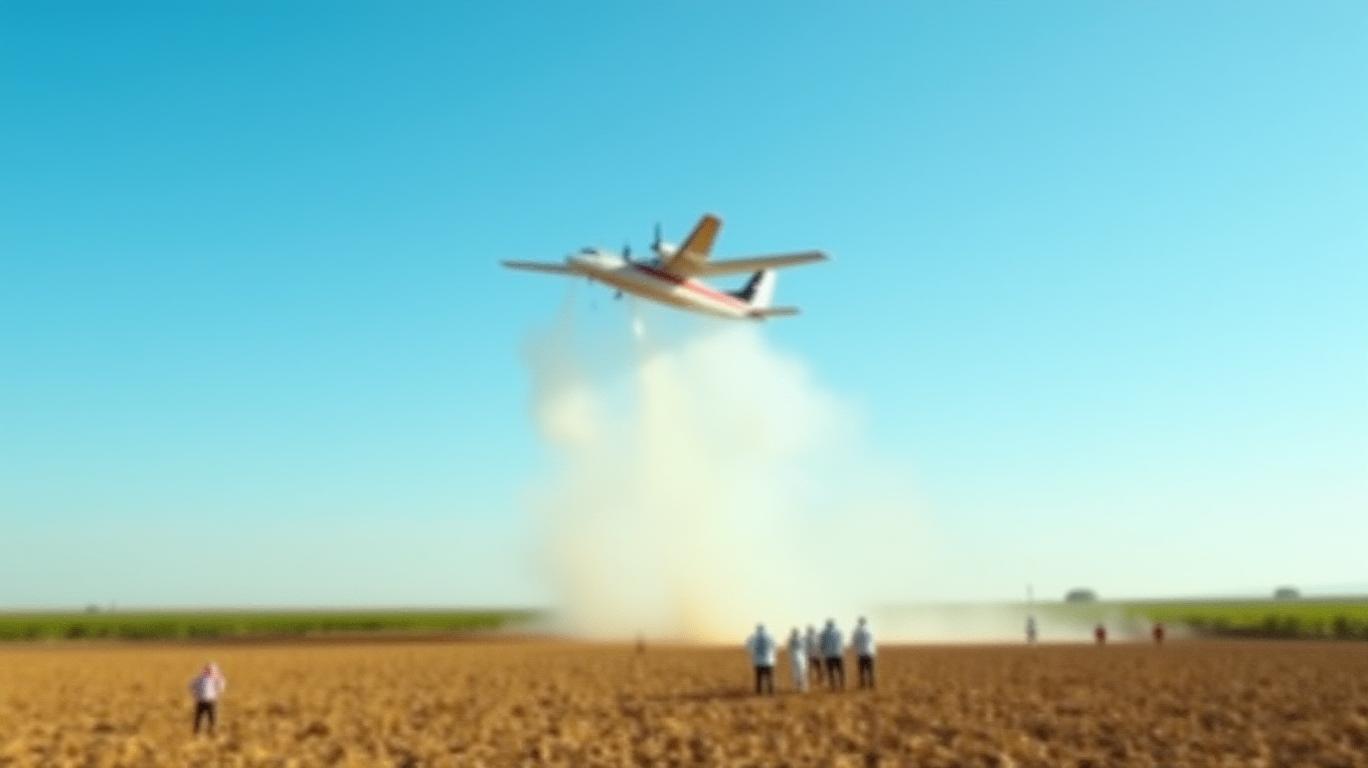
The New World Screwworm, a parasitic fly that devours livestock tissue, has reemerged in southern Mexico after decades of eradication efforts. Rollins’ April 26 ultimatum to Mexico—demanding immediate removal of customs barriers and operational restrictions on U.S. eradication efforts—has set the stage for a potential trade war. Mexican authorities have limited U.S. contractors like Dynamic Aviation to a temporary permit with just six days of weekly flight operations, while imposing customs duties on sterile flies and aviation parts.
The stakes are immense: a Screwworm incursion into the U.S. could cost the livestock industry an estimated $1.5 billion annually, according to USDA models. The National Cattlemen’s Beef Association (NCBA) has thrown its weight behind Rollins, with President Buck Wehrbein warning, “This pest doesn’t recognize borders, and neither should our resolve to stop it.”
The USDA’s reliance on the Sterile Insect Technique (SIT) hinges on uninterrupted aerial dispersal of sterile flies. However, bureaucratic bottlenecks—such as “bogus paperwork issues”—have delayed operations, creating a ticking clock for investors in agricultural logistics and biotechnology.
SNAP’s New Rules: Fiscal Discipline or Social Disruption?
While battling the Screwworm, Rollins has also moved to overhaul the Supplemental Nutrition Assistance Program (SNAP), mandating stricter immigration verification for applicants. The April 24 directive requires states to use in-person interviews, identity documents, and the federal SAVE system to block unauthorized immigrants from receiving benefits.
The policy follows a Government Accountability Office report revealing $10.5 billion in improper SNAP payments in FY 2023, with lax state checks blamed for over 40% of errors. Rollins framed the change as a “moral imperative,” stating, “American taxpayers will no longer subsidize illegal aliens.”
Yet critics warn of unintended consequences. A 2022 USDA study found that 1 in 5 SNAP recipients in border states are legal immigrants or mixed-status families, raising concerns that overly strict verification could exclude eligible Americans. The policy’s ripple effects could hit grocery retailers reliant on SNAP sales, while boosting firms offering identity verification tech.
Conclusion: Navigating the Crossfire of Policy and Pestilence
Rollins’ twin initiatives present investors with both risks and opportunities. In agriculture, the Screwworm crisis has already pressured livestock stocks—U.S. cattle futures fell 3% on April 27 amid fears of trade restrictions. Meanwhile, companies like Dynamic Aviation (if operational) and biotech firms developing alternative pest controls could see demand surge if eradication efforts falter.
On the SNAP front, stricter eligibility rules may reduce program costs but could strain retailers like Walmart and Kroger, which derive 5-8% of grocery sales from SNAP. Conversely, identity verification firms such as ID.me or Veriff might see a windfall as states scramble to comply.
The key inflection point remains April 30: if Mexico fails to lift barriers, USDA-imposed livestock import bans could reshuffle supply chains, benefiting domestic producers but raising consumer prices. Rollins’ gamble—prioritizing fiscal and border security over diplomatic niceties—has put markets on edge. Investors would be wise to monitor both the USDA’s pest containment metrics and SNAP’s enrollment drops, as these twin crises redefine the calculus of risk in agriculture and social policy.

Stay ahead of the market.
Get curated U.S. market news, insights and key dates delivered to your inbox.




Comments
No comments yet