
Broadcom shares plunged 5.59% in pre-market trading as waning AI sector sentiment and mixed earnings triggered selloff.
 Aime Summary
Broadcom shares plunged 5.59% in pre-market trading on Dec. 16, 2025, as broader market sentiment toward AI-related stocks waned and investors rotated out of the sector following mixed earnings updates from the company and peers like Oracle. The decline mirrored a broader selloff in the Nasdaq Composite and S&P 500, which fell 0.6% and 0.2%, respectively.
The drop was driven by concerns over margin pressures in Broadcom’s AI business, highlighted during its earnings call. CEO Hock Tan noted that AI segments generate lower gross margins compared to other divisions, signaling potential long-term profitability risks as AI revenue becomes a larger portion of the company’s total sales. These fears were amplified after Oracle’s recent report revealed ballooning AI capital expenditures, stoking anxiety about the sector’s sustainability.
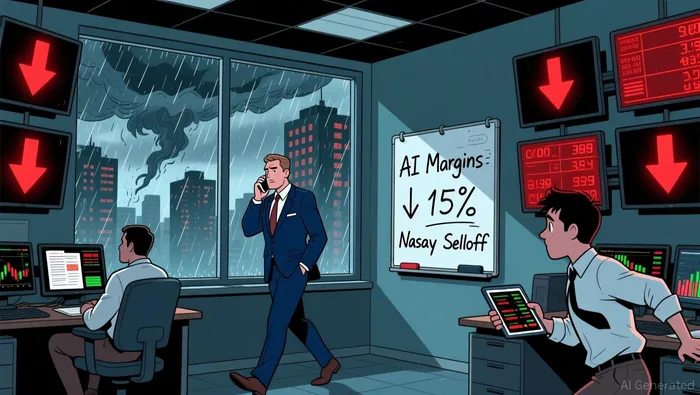
Despite record sales and earnings, Broadcom’s stock remained under pressure as investors sought clearer signs of operational resilience amid rising costs. The company’s guidance for fiscal 2026, including a projected 28% revenue growth, failed to offset immediate concerns over margin dilution and the broader “AI bubble” narrative. With AI infrastructure demand still surging, the sell-off reflects a cautious re-evaluation of valuations rather than a fundamental shift in the company’s growth trajectory.
Analysts suggest that the market is pricing in slower growth and tighter margins for AI firms, given the capital intensity of the sector. The sell-off may present a buying opportunity for long-term investors who believe in the long-term potential of AI infrastructure, provided that management can navigate the near-term cost pressures and demonstrate consistent profitability. However, for now, the broader AI sector remains on the defensive.
With AI-related stocks under pressure, the focus is now on whether companies like BroadcomAVGO-- can deliver on both top-line growth and margin expansion. If they can, they may regain investor confidence. If not, the sector could face prolonged volatility as the market recalibrates expectations in real-time.

Get the scoop on pre-market movers and shakers in the US stock market.
Latest Articles
Stay ahead of the market.
Get curated U.S. market news, insights and key dates delivered to your inbox.
AInvest
PRO
AInvest
PRO



Comments
No comments yet