
Bridging the Gap: Engineering Flaws and Governance Risks in China's Infrastructure Expansion


 Aime Summary
The Hongqi Bridge: A Microcosm of Systemic Challenges
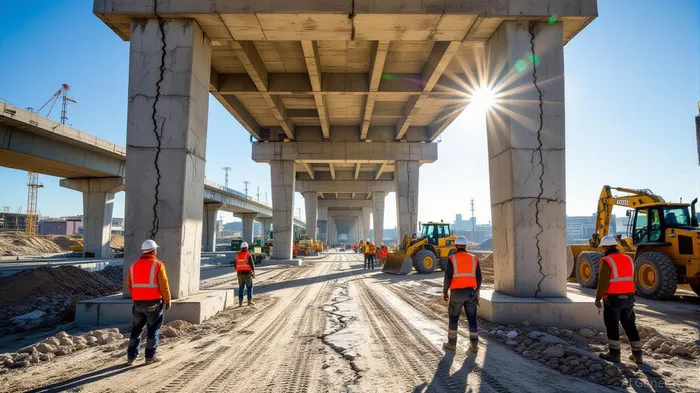
The Hongqi Bridge, , reportedly gave way during a routine inspection, killing two workers and halting regional traffic for weeks. Though official causes have not been disclosed, industry analysts point to recurring issues in China's infrastructure sector: cost-cutting pressures, opaque safety protocols, and a regulatory environment that prioritizes speed over scrutiny. , such incidents often stem from a combination of "hard" (physical infrastructure) and "soft" (regulatory and governance) deficiencies, a study by ScienceDirect. In China's case, the latter is particularly concerning.
The "Made in China 2025" initiative, aimed at dominating high-tech manufacturing, has extended into infrastructure, with state-backed projects emphasizing scale over quality. Critics argue that this approach mirrors the program's broader strategy of aggressive subsidies and forced technology transfers, which have drawn international pushback, a CFR backgrounder. For instance, the U.S. , citing unfair trade practices, a CFR backgrounder. These tensions now extend to infrastructure, where quality concerns threaten to erode trust in Chinese-built projects globally.
Regulatory and Economic Ripple Effects
The Hongqi Bridge collapse has amplified scrutiny of China's infrastructure governance. In November 2025, , signaling a calculated balancing act between appeasing trade partners and retaining strategic leverage, a CFR backgrounder. Meanwhile, U.S. 's tariff hikes have disrupted supply chains, particularly in technology and agriculture, compounding economic instability.
For foreign investors, these dynamics create a dual risk: physical infrastructure failures and regulatory unpredictability. , a study by ScienceDirect. In China, where state-led projects dominate, the lack of transparency exacerbates these risks. For example, firms investing in Chinese infrastructure must navigate a labyrinth of local and national regulations, often with limited recourse if projects fail.
Reputational Fallout and Investor Strategies
Reputational damage from infrastructure failures can be as costly as financial losses. The Hongqi Bridge incident has already sparked renewed criticism of China's "build fast, adapt later" approach, with environmental and safety advocates highlighting lax enforcement of standards. This aligns with broader concerns about "Made in China 2025," which critics argue undermines global trade rules and fosters an uneven playing field, a CFR backgrounder.
To mitigate these risks, foreign firms are adopting tailored strategies. For soft infrastructure deficiencies-such as weak regulatory oversight-joint ventures with local governments are proving effective. In contrast, hard infrastructure gaps, like unreliable energy grids, are being addressed through digital "shielding" strategies, such as cloud-based logistics systems that reduce reliance on local infrastructure, a study by ScienceDirect. These approaches reflect a growing recognition that one-size-fits-all solutions are inadequate in emerging markets.
Conclusion: Navigating the Infrastructure Maze
The Hongqi Bridge collapse is not an isolated event but a symptom of deeper systemic challenges. For investors, the lesson is clear: infrastructure-linked opportunities in emerging markets must be evaluated through a dual lens of engineering quality and governance integrity. As China's infrastructure ambitions collide with global scrutiny, the ability to adapt to regulatory shifts and reputational risks will separate resilient portfolios from vulnerable ones.

Delivering real-time insights and analysis on emerging financial trends and market movements.
Latest Articles
Stay ahead of the market.
Get curated U.S. market news, insights and key dates delivered to your inbox.






Comments
No comments yet