
BRICS Nations Push for Dollar-Free Deals, Led by Brazil
The BRICS nations, an intergovernmental organization comprising Brazil, Russia, India, China, and South Africa, have taken a significant step towards enhancing their currency independence. Brazil, a key member of the group, has been championing the idea of dollar-free deals, aiming to reduce reliance on the U.S. dollar in international trade. This move is part of a broader strategy to promote local currencies and payment systems within the BRICS framework.
The initiative to expand currency independence within the BRICS bloc comes at a time when global economic dynamics are shifting. The U.S. dollar has long been the world's most important means of exchange, serving as the most commonly held reserve currency and the most widely used currency for international transactions. However, the BRICS nations are seeking to diversify their financial systems to mitigate the risks associated with over-reliance on a single currency.
Brazil's push for local payment systems is a notable development within this context. By advocating for dollar-free deals, Brazil aims to foster economic bridges across the BRICS nations, encouraging the use of local currencies in bilateral and multilateral trade. This approach not only strengthens economic ties within the group but also provides a buffer against potential economic sanctions and financial instability.
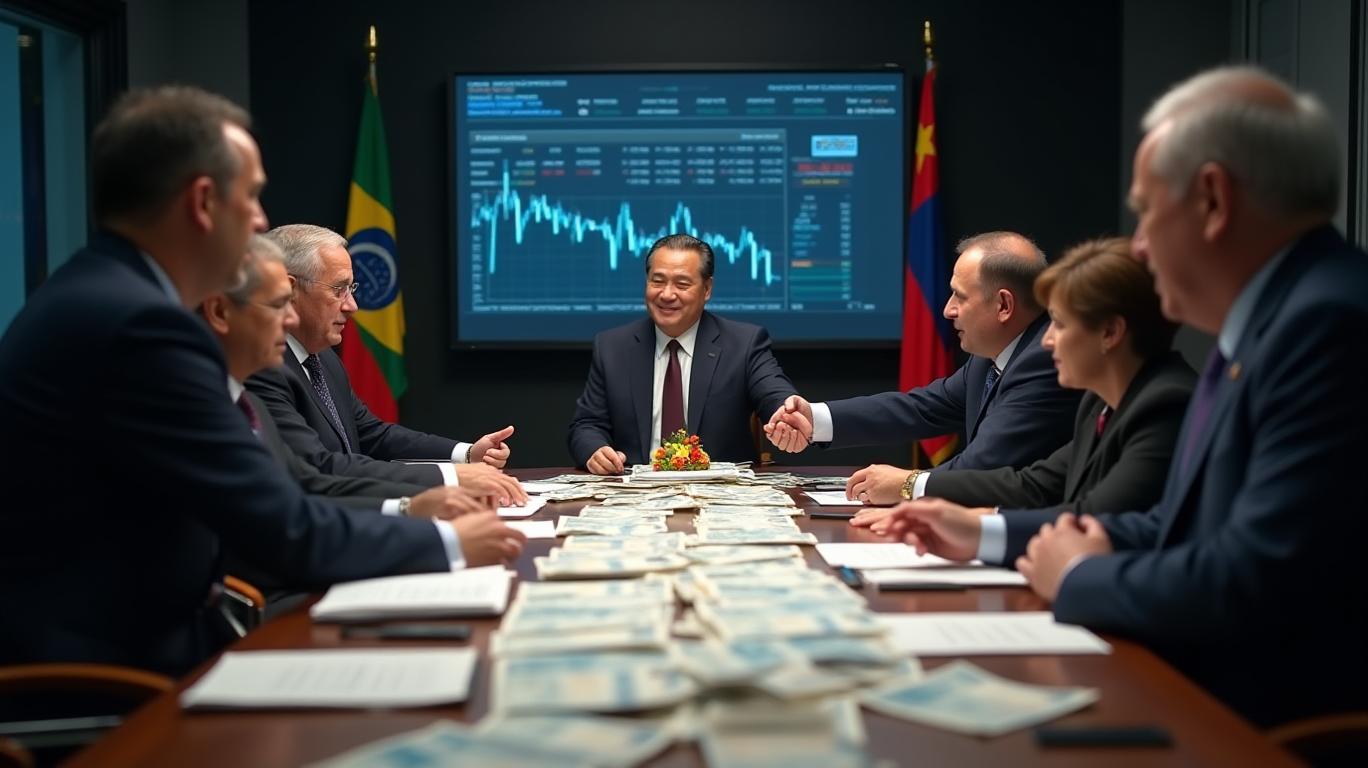
The first BRICS Sherpas meeting with expanded membership, hosted by Brazil, marked a significant milestone in this endeavor. The meeting brought together representatives from the member nations to discuss and advance the currency independence plan. The expanded membership of the BRICS organization, which now includes Egypt, Ethiopia, Iran, and Saudi Arabia, further amplifies the group's collective influence and economic clout.
The BRICS nations' efforts to reduce their dependence on the U.S. dollar are driven by a desire for greater financial autonomy and resilience. By promoting the use of local currencies and developing alternative payment systems, the BRICS nations aim to create a more balanced and stable global financial landscape. This initiative is part of a broader trend towards de-dollarization, as countries around the world seek to diversify their currency reserves and reduce exposure to the U.S. dollar.
The move towards currency independence within the BRICS bloc is not without its challenges. The U.S. dollar's dominance in global trade and finance is deeply entrenched, and shifting away from it will require significant coordination and effort. However, the BRICS nations' commitment to this goal, as evidenced by Brazil's leadership in championing dollar-free deals, signals a determined effort to reshape the global financial order.
In conclusion, the BRICS nations' expansion of their currency independence plan, with Brazil at the forefront, represents a significant development in the global economic landscape. By promoting the use of local currencies and alternative payment systems, the BRICS nations aim to reduce their reliance on the U.S. dollar and enhance their financial autonomy. This initiative, while challenging, holds the potential to create a more balanced and resilient global financial system.

Stay ahead of the market.
Get curated U.S. market news, insights and key dates delivered to your inbox.






Comments
No comments yet