
Brent at $100? How Geopolitical Tensions Are Fueling the Next Oil Surge and What Investors Should Do
The recent U.S. and Israeli strikes on Iranian nuclear facilities have sent shockwaves through global energy markets, reigniting fears of supply disruptions and escalating geopolitical risks. With Brent crude already up over 10% since mid-June and forecasts suggesting a potential $130/barrel spike if the Strait of Hormuz is closed, investors must prepare for a prolonged period of elevated oil prices. This article examines the interplay of energy market fundamentals, geopolitical premiums, and their implications for inflation, Fed policy, and equity valuations—while identifying strategic opportunities in this volatile landscape.
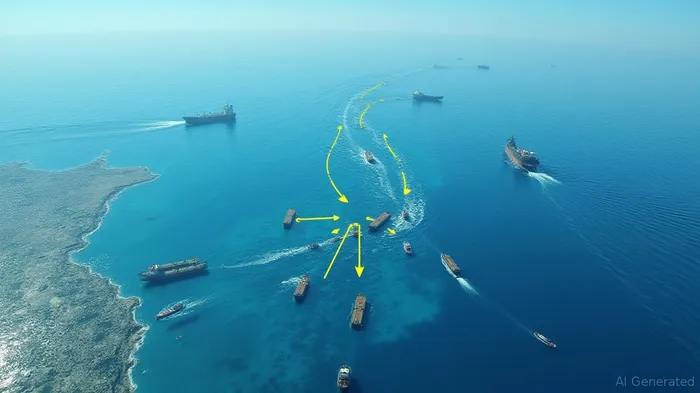
The Catalyst: Geopolitical Risk and the $100 Oil Threshold
The June 21 U.S. strikes on Iran's nuclear facilities—targeting Fordow, Natanz, and Isfahan—marked a dangerous escalation in a conflict that began with Israeli attacks in mid-June. While the immediate physical damage to Iran's nuclear program remains uncertain, the geopolitical fallout is clear. Iran has threatened retaliation, including closing the Strait of Hormuz, which carries 20% of global oil exports. Analysts at JPMorgan warn that such a move could push Brent prices to $130/barrel, surpassing post-Ukraine invasion highs.
Even without a full strait closure, the risk of sabotage, mining, or attacks on Gulf infrastructure has already added a $10 “geopolitical premium” to oil prices. Historical precedents reinforce this vulnerability: the 1979 Iranian Revolution caused oil prices to triple, while the 1990 Iraq invasion of Kuwait pushed prices to $40/barrel (equivalent to $100 today). Today's market is primed for further volatility, with the U.S. Treasury's sanctions on Iran-backed groups like the Houthis compounding uncertainty.
The Inflation-Fed-Equity Nexus
Higher oil prices will amplify inflationary pressures, complicating the Federal Reserve's path. Energy costs account for 7% of the U.S. CPI basket, and a $30/barrel increase could add 0.5-0.7 percentage points to annual inflation. This would likely delay the Fed's pivot to rate cuts, keeping real interest rates elevated.
For equity markets, this creates a dual challenge:
1. Valuation Drag: Higher rates erode the present value of future earnings, particularly for growth-oriented sectors like technology and consumer discretionary.
2. Input Costs: Airlines, logistics firms, and industrial companies face margin pressure as fuel expenses rise.
Sectors to Watch: Winners and Losers
Winners:
- Energy Producers: U.S. shale firms (e.g., Chevron, ExxonMobil) and international oil majors (BP, TotalEnergies) benefit directly from higher crude prices. Energy ETFs like the XLE could outperform.
- Logistics and Security: Companies with Gulf operations (e.g., A.P. Moller-Maersk) or maritime security expertise (e.g., Huntington Ingalls) may see demand rise.
- Defensive Assets: Gold (GLD) and other safe havens could gain as geopolitical risks persist.
Losers:
- Oil-Dependent Sectors: Airlines (e.g., Delta, American Airlines) and trucking firms face squeezed margins.
- Rate-Sensitive Stocks: Growth equities in tech and consumer discretionary sectors are vulnerable to Fed hawkishness.
Strategic Portfolio Adjustments
Investors should consider the following moves:
1. Overweight Energy: Allocate to oil equities or ETFs (e.g., XLE) and monitor WTI/Brent spreads.
2. Hedge with Gold: Use GLD or physical gold to offset equity risk.
3. Avoid Rate-Exposed Sectors: Reduce exposure to high-multiple tech stocks until Fed policy clarity emerges.
4. Monitor Geopolitical Triggers: Track Strait of Hormuz traffic via shipping data platforms (e.g., TankerTrackers) and Iranian retaliation patterns.
Conclusion
The U.S.-Iran conflict has shifted energy markets into a new risk paradigm, with oil prices poised to remain elevated for months. While a $130/barrel scenario is extreme, even a sustained $100 threshold will reshape inflation dynamics, Fed policy, and equity valuations. Investors must balance exposure to energy winners while hedging against broader market risks. As history shows, geopolitical oil spikes are rarely short-lived—strategic adjustments now could yield significant rewards.

Stay ahead of the market.
Get curated U.S. market news, insights and key dates delivered to your inbox.


AInvest
PRO
AInvest
PRO



Comments
No comments yet