
Breathing Life into the Future: How Aircela's Air-to-Fuel Tech Could Revolutionize Decarbonization
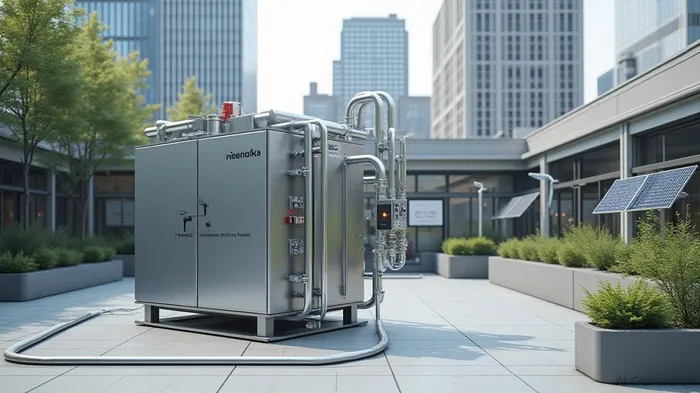
The climate crisis is demanding innovation that transcends incremental improvements. Enter Aircela, a company that's turning atmospheric carbon dioxide into gasoline—not in a distant sci-fi future, but now. On May 15, 2025, Aircela unveiled its first functional machine, a refrigerator-sized marvel that converts air, water, and renewable electricity into fossil-free fuel. This is no minor tweak to existing systems; it's a paradigm shift. Let's dissect why this technology could be a linchpin in the decarbonization race and what it means for investors.
The Science of Disruption: Air-to-Fuel, Explained
Aircela's process begins by capturing CO₂ from ambient air using a potassium hydroxide solution. That CO₂ is then combined with hydrogen (produced via electrolysis of water) to create methanol, which is refined into gasoline. The result? A fuel chemically identical to conventional gasoline but entirely free of fossil inputs. Each unit produces about one gallon daily, sequestering 22 pounds of CO₂—a net-negative process when the fuel is burned.
The real game-changer is the modular, distributed design. Unlike centralized refineries, these machines can be deployed anywhere: ports, off-grid mines, even remote villages. This decentralization slashes reliance on vulnerable supply chains and eliminates the need to retrofit engines or pipelines. For industries like shipping or aviation—sectors where electrification is decades away—this is a lifeline.
Why This Matters for Decarbonization
The global transportation sector accounts for nearly a quarter of CO₂ emissions. Electric vehicles (EVs) dominate the spotlight, but they're not a silver bullet. Heavy-duty trucks, cargo ships, and airplanes require energy-dense fuels that batteries can't yet match. Aircela's tech sidesteps this impasse.
Take Maersk, the shipping giant. Their venture arm, Maersk Growth, has already partnered with Aircela. Why? Because Aircela's fuel can drop into existing engines and infrastructure—no need to rebuild the entire logistics network. . The data will likely show Aircela's fuel as a clear winner in hard-to-abate sectors.
The Market Opportunity: A $1.5 Trillion Prize
The global fuel market is valued at over $1.5 trillion annually. If even a fraction of that shifts to Aircela's carbon-neutral gasoline, the potential is staggering. Initial deployments in 2025 target niche markets—think mining operations or islands—where the cost of fuel delivery is exorbitant. As economies of scale kick in, prices could plummet, making Aircela's fuel competitive with fossil fuels.
Risks and Realities
Critics will cite scalability and cost. A single unit produces just one gallon daily—scaling to millions of units requires massive investment. But Aircela's modular design allows incremental growth, and its blue-chip backers (Chris Larsen of Ripple, Jeff Ubben of Exxon) signal confidence. Compare this to early-stage EV companies: . Breakthroughs in clean tech often follow a steep trajectory once validated.
Another hurdle: skepticism about carbon neutrality. Aircela's process hinges on using renewable electricity for electrolysis. If deployed in regions reliant on coal power, the emissions savings evaporate. The company must prioritize partnerships in green-energy-rich areas first.
Investment Takeaways: A High-Impact, High-Risk Bet
Aircela isn't a slam dunk. The company is pre-revenue, and regulatory hurdles loom large. But for investors willing to look beyond the next quarter, the stakes are enormous:
1. Sector Diversification: Pair this with EVs (e.g., Tesla) or renewable energy stocks (e.g., NextEra) to hedge against sector-specific risks.
2. Watch the Pilots: The fall 2025 deployments are critical. Success here could trigger partnerships with oil majors (think Chevron or BP) seeking to reposition themselves.
3. Carbon Credit Potential: If Aircela's CO₂ sequestration can be monetized via carbon markets, margins could soar.
Final Verdict: A Catalyst for Change
Aircela isn't just another clean tech startup—it's a blueprint for industries stuck between profit and planet. In a world racing to limit warming to 1.5°C, technologies that decarbonize without dismantling existing systems are invaluable. Investors who bet on Aircela are betting on disruption that doesn't just reduce emissions but redefines what's possible.
The air we breathe could soon be the fuel that drives the future. Stay tuned.

Delivering real-time insights and analysis on emerging financial trends and market movements.
Latest Articles
Stay ahead of the market.
Get curated U.S. market news, insights and key dates delivered to your inbox.






Comments
No comments yet