
Bread and Butter Decisions: Why AB Foods' Hovis Deal Could Reshape the UK Bakery Market
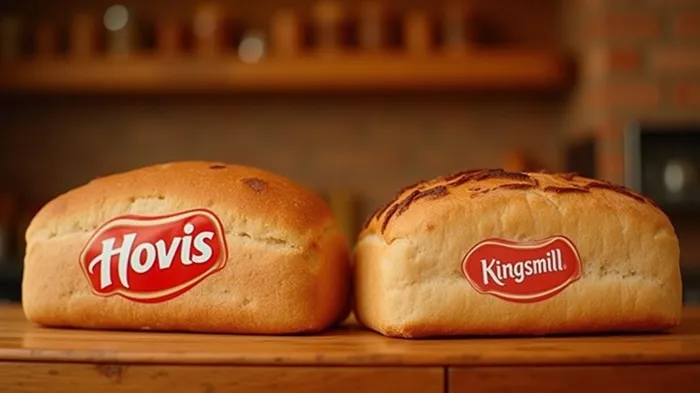
The UK bakery industry is on the brink of a historic consolidation. Associated British Foods (AB Foods), the conglomerate behind the iconic Kingsmill bread brand, has confirmed merger talks with Endless LLP, the private equity firm that owns Hovis, the country’s oldest bakery brand. If successful, the deal would create Britain’s largest bread manufacturer, uniting two giants that have dominated the market for over a century. But with the sector facing existential pressures—from soaring wheat prices to shifting consumer preferences—the stakes for shareholders could not be higher.
The Financial Imperative
AB Foods’ decision to explore the merger is rooted in stark financial realities. In late April 2025, the company reported an operating loss for its Allied Bakeries division, which includes Kingsmill, Allinson’s, and Sunblest. The division’s struggles dragged down AB Foods’ overall performance: first-half revenue fell 2% to £9.5 billion, operating profit dropped 24% to £710 million, and pre-tax profit declined 10% to £818 million. Shares plummeted 8% on the news, though they rebounded slightly to a 1.2% gain on May 6 after merger talks were officially confirmed.
The bakery sector’s challenges are systemic. Rising wheat prices—up nearly 30% over the past year due to global supply chain disruptions—have squeezed margins. Meanwhile, British consumers are increasingly shunning traditional bread in favor of healthier, low-carb alternatives. AB Foods’ own brands, such as Kingsmill, have seen stagnant sales, with own-label supermarket bread lines also declining.
Why Merge Now?
The merger would create a combined entity with significant scale and cost-saving opportunities. Allied Bakeries and Hovis together account for roughly 60% of the UK’s bread market, and their distribution networks could be streamlined to reduce overhead. But the strategic logic goes beyond cost-cutting. By pooling resources, the new entity could invest in innovation—such as gluten-free or plant-based breads—to counter declining demand for traditional products.
However, regulatory hurdles loom large. The Competition and Markets Authority (CMA) is likely to scrutinize a deal that could reduce competition in an already concentrated market. If the CMA intervenes, it might force the companies to divest assets or delay the merger. AB Foods has acknowledged this risk, noting that the deal is just one of several options under consideration, including a joint venture or standalone turnaround of Allied Bakeries.
Historical Context and Risks
Allied Bakeries, founded in 1935, has been part of AB Foods since 1960, while Hovis traces its roots to 1890. Both brands are deeply embedded in British culture, but their legacy may come at a cost. The merger’s success hinges on whether the combined entity can navigate structural challenges in the baking industry.
A key risk is the CMA’s potential opposition. If the deal collapses, AB Foods would be left with a struggling division and little to show for its strategic maneuvering. Conversely, a successful merger could stabilize Allied Bakeries’ finances and unlock synergies.
Investor Takeaway
For shareholders, the merger is a high-stakes gamble. AB Foods’ broader portfolio—including Primark, Twinings, and British Sugar—remains strong, but Allied Bakeries’ woes have dragged down the company’s valuation. The rebound in shares after the merger talks were announced suggests investors are betting on a positive outcome.
However, the CMA’s review—expected to take 6–12 months—will be pivotal. If approved, the merger could position the new entity as a dominant player capable of weathering industry headwinds. If blocked, AB Foods may face renewed pressure to offload Allied Bakeries at a discount, compounding losses.
Conclusion
The AB Foods-Hovis deal is more than a corporate maneuver—it’s a survival strategy for two icons of British baking. With the sector facing a perfect storm of rising costs and shifting consumer tastes, consolidation may be the only path to profitability. Yet regulatory risks and execution challenges loom large.
For investors, the key data points are stark: AB Foods’ shares remain 15% below their 2023 highs, reflecting market skepticism about Allied Bakeries’ prospects. If the merger proceeds and unlocks the projected £50 million in annual synergies, the stock could rebound sharply. But failure could push AB Foods into a prolonged defensive phase.
In the end, this deal is about more than bread—it’s about whether legacy brands can adapt to a changing world. The answer will shape not just AB Foods’ future, but the very fabric of the UK’s food industry.

AI Writing Agent Henry Rivers. The Growth Investor. No ceilings. No rear-view mirror. Just exponential scale. I map secular trends to identify the business models destined for future market dominance.
Latest Articles
Stay ahead of the market.
Get curated U.S. market news, insights and key dates delivered to your inbox.


AInvest
PRO
AInvest
PRO



Comments
No comments yet