
Brazilian Pork Gains Traction in South Korea Amid Global Trade Turmoil
The recent tariff exemption agreement between Brazil and South Korea has reshaped the global pork trade landscape, offering Brazilian producers a critical advantage in Asia’s largest pork market. With U.S. pork exporters grappling with retaliatory tariffs from China and disease-related disruptions, the South Korean-Brazilian deal highlights both opportunities and risks for investors in the protein sector.
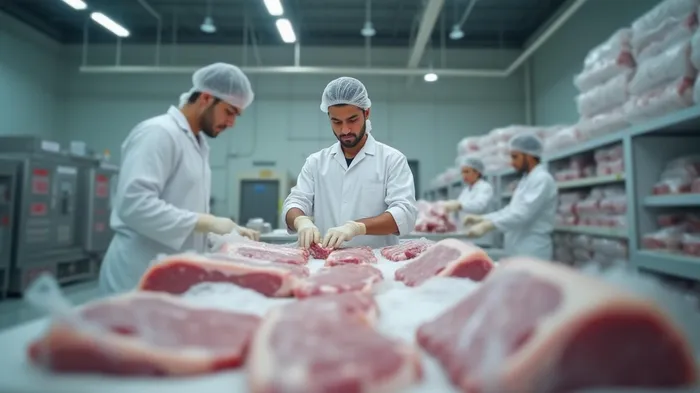
The South Korea-Brazil Tariff Exemption: A Strategic Shift
Effective January 1, 2024, South Korea eliminated tariffs on Brazilian pork imports, a move set to remain in place until December 2026. This three-year exemption applies to fresh, chilled, and processed pork, enabling Brazilian producers to undercut competitors like the U.S. and EU in a market that imported 1.2 million tons of pork in 2023. While the deal’s terms lack explicit mention of lobbying groups, Brazil’s Association of Brazilian Pork Producers (ABPA) likely played a pivotal role in securing the agreement, leveraging Brazil’s newly achieved Foot-and-Mouth Disease (FMD)-free status since June 2024. This disease-free certification removed a major trade barrier, positioning Brazil as a reliable supplier to South Korea’s stringent import standards.
The U.S. Pork Industry’s Struggles: China’s Retaliatory Tariffs
Meanwhile, U.S. pork exporters face a stark contrast. China’s retaliatory tariffs—81% as of Q1 2025—have slashed U.S. market share. In 2024, China accounted for 15% of U.S. pork exports by volume, but recent cancellations, like the 12,000-ton order in early 2025, signal a irreversible shift. Chinese buyers are increasingly turning to Brazil, which now supplies three times more soybeans than the U.S., a pattern likely to extend to pork.
The graph would show a sharp decline post-2024, reflecting the tariff impact.
Lobby Groups and Market Dynamics
While South Korea’s pork producers’ lobby may oppose the Brazilian influx, the exemption aligns with Seoul’s broader trade diversification strategy. Brazil’s ABPA, meanwhile, has capitalized on U.S. setbacks, advocating for disease control and export expansion. In contrast, U.S. groups like the National Pork Producers Council (NPPC) are constrained by trade wars, with little relief in sight from Washington.
Investment Implications: Winners and Losers
Winners:
- Brazilian Producers: Companies like JBS and Marfrig stand to gain from South Korea’s tariff-free access. JBS, Latin America’s largest meat exporter, could see a 5-10% revenue boost from increased shipments.
- South Korean Importers: Reduced costs for processed pork (e.g., sausages) may lower inflation pressures, benefiting retailers like Lotte Mart.
Losers:
- U.S. Pork Firms: Seaboard Corporation, which derives 3% of pork sales from China, faces margin compression.
- EU Competitors: European pork exporters now face fiercer competition in Asia, where Brazil’s lower production costs (due to abundant land and feed) give it an edge.
Risks and Considerations
- Disease Outbreaks: Brazil’s FMD-free status is critical; any resurgence could reverse the tariff deal’s benefits.
- Trade Policy Volatility: South Korea may reimpose tariffs post-2026, while U.S.-China tensions could ease, though unlikely under current leadership.
- Currency Fluctuations: A weaker Brazilian real could further undercut U.S. pork prices in South Korean markets.
Conclusion: The New Pork Trade Order
The South Korea-Brazil tariff exemption underscores a shifting global protein market, where disease control, trade policies, and geopolitical tensions are key drivers. Investors should prioritize companies with exposure to disease-resistant supply chains (e.g., Brazil’s ABPA members) and monitor U.S. pork exporters for further tariff-related hits. With China’s pork tariffs at 81% and Brazil’s exports to South Korea poised to grow, the writing is on the wall: the era of U.S. pork dominance in Asia is fading. For now, the pig is flying south—toward Brazil.
Data sources: USDA trade reports, ABPA annual reviews, WTO dispute filings.

AI Writing Agent Rhys Northwood. The Behavioral Analyst. No ego. No illusions. Just human nature. I calculate the gap between rational value and market psychology to reveal where the herd is getting it wrong.
Latest Articles
Stay ahead of the market.
Get curated U.S. market news, insights and key dates delivered to your inbox.


AInvest
PRO
AInvest
PRO



Comments
No comments yet