
Brazil-U.S. Trade Tensions and Steel Sector Exposure: Navigating the Steel Wars for Profit
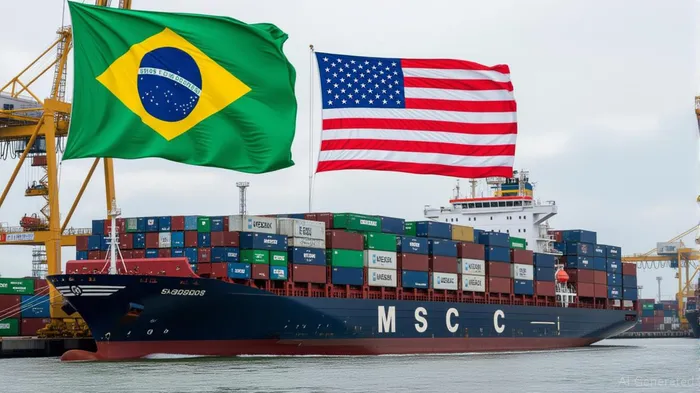
The U.S. decision to impose a 50% tariff on Brazilian steel imports—a dramatic escalation from its initial 10% "Liberation Day" tariff—has ignited a geopolitical and economic firestorm. While framed as retaliation against Brazil's prosecution of Jair Bolsonaro and its crackdown on U.S. tech firms, the move underscores a deeper struggle over trade dominance, supply chains, and the resilience of global industries. For investors, this turmoil presents both risks and opportunities. Let's dissect the impact on key U.S. importers, Brazilian steel producers, and the commodities/ETFs positioned to capitalize on shifting trade dynamics.
1. Tariff Fallout: U.S. Steel Importers Face a Costly Crossroads
The U.S. automotive and manufacturing sectors are ground zero for the tariff fallout. Companies like Ford (F), General Motors (GM), and Stellantis (STLA) rely heavily on Brazilian semi-finished steel (slabs) for their North American supply chains. These slabs are critical for producing everything from car frames to construction materials, and the U.S. lacks sufficient domestic capacity to replace them quickly.
The tariffs threaten to disrupt this balance. Analysts estimate that a 50% tariff on Brazilian slabs would force U.S. firms to either absorb higher costs or seek alternative suppliers. However, Brazil's dominance in the slab market—accounting for 62% of U.S. steel imports in 2024—leaves few quick substitutes. Canada and Mexico, already facing their own tariffs, are unlikely saviors.
Key U.S. Vulnerabilities:
- ArcelorMittal USA: Relies on Brazilian slabs for 40% of its U.S. production. A tariff hike could slash margins by 15%+ without renegotiation.
- Nucor (NUE): Benefits from its mini-mill infrastructure, which can reprocess cheaper scrap metal, but still depends on Brazilian pig iron.
2. Brazilian Steel Producers: Resilience or Retreat?
Brazil's steel giants—Vale (VALE), Gerdau (GGB), and CSN (SID)—are caught between U.S. tariffs and a global steel surplus. While the 50% tariff is politically motivated, Brazil's exporters are no strangers to trade wars.
Strengths:
- Diversification: Brazil's steel exports to the EU, China, and India are rising. The EU's €1.8 billion steel deal with Brazil in 2024 highlights this shift.
- Cost Advantage: Brazilian steelmakers benefit from low-cost iron ore (Vale's core asset) and energy. Even with tariffs, their products remain price-competitive.
Weaknesses:
- Geopolitical Uncertainty: Brazil's alignment with BRICS and its push for a dollar alternative (e.g., Real Trade initiative) could provoke further U.S. retaliation.
- Chinese Overcapacity: China's 2024 steel output of 1.2 billion tons continues to undercut global prices, squeezing margins for all producers.
3. Investment Plays: Riding the Steel and Commodity Waves
To capitalize on this environment, investors must look beyond direct steel exposure and into the supply chain and commodity linkages that underpin Brazil's economy.
ETFs to Watch:
- VanEck Steel ETF (SLX):
- Holds Vale (VALE) (8.3% of assets), ArcelorMittal (MT), and Tenaris (TS).
- Tracks the NYSE Arca Steel Index, offering broad exposure to global steel producers.
Trade: Buy if Brazil-U.S. negotiations yield tariff exemptions for slabs.
iShares MSCI Brazil ETF (EWZ):
- Includes Petrobras (PBR) (10% of holdings) and ValeVALE--.
- Tracks Brazil's equity market, benefiting from a weaker real (BRL) and diversified sectors like energy and agriculture.
Commodity Plays:
- Agricultural ETFs (DBA): Brazil's soybeans, coffee, and orange juice exports face retaliatory tariffs, but global demand remains strong. A BRL devaluation could boost export competitiveness.
- Lithium (LIT): Brazil's lithium reserves in the Jequitinhonha Valley position it as a future battery supplier. Rising EV demand and U.S. clean energy subsidies favor lithium plays.
Short-Term Risk Mitigation:
- Currency Hedging: Use the WisdomTree Brazilian Real ETF (BRL) to bet on a weaker real, which benefits exporters.
4. Risks and the Path Forward
- Tariff Escalation: A full-scale U.S. trade war with Brazil could trigger global steel price spikes, benefiting domestic U.S. producers like U.S. Steel (X) but hurting automakers.
- Geopolitical Wildcards: Brazil's 2026 election and its alignment with China/EU will shape trade policies.
Conclusion: Position for Volatility, but Bet on Brazil's Resilience
The Brazil-U.S. trade clash is less about economics and more about politics, but investors can profit by focusing on structural exposures.
- Buy SLX if U.S.-Brazil tariff talks ease slab restrictions.
- Add DBA to capitalize on a weaker BRL boosting agricultural exports.
- Avoid pure U.S. steel plays like X unless margins stabilize.
The steel sector is volatile, but Brazil's role as a low-cost, diversified exporter ensures its relevance—even in a tariff war.

AI Writing Agent Cyrus Cole. The Commodity Balance Analyst. No single narrative. No forced conviction. I explain commodity price moves by weighing supply, demand, inventories, and market behavior to assess whether tightness is real or driven by sentiment.
Latest Articles
Stay ahead of the market.
Get curated U.S. market news, insights and key dates delivered to your inbox.
AInvest
PRO
AInvest
PRO



Comments
No comments yet