
Brazil's Lula Nominates Bradesco Veteran for Central Bank Role
Generated by AI AgentWesley Park
Friday, Nov 29, 2024 3:59 pm ET1min read
CIO--
In a significant move that could shape Brazil's economic future, President Luiz Inácio Lula da Silva has nominated Nilton David, the head trader at Banco Bradesco, to serve as the Director of the Central Bank's Monetary Policy Department. With his extensive experience in the private sector, David brings a unique perspective to the role, which could have profound implications for the Brazilian economy and the banking sector.
As a seasoned trader at one of Brazil's leading banks, David has a deep understanding of market dynamics and risk management, skills that will be invaluable in his new role at the Central Bank. His background in engineering and operations at Bradesco allows him to approach monetary policy from an industry standpoint, potentially leading to more practical and market-oriented policies.
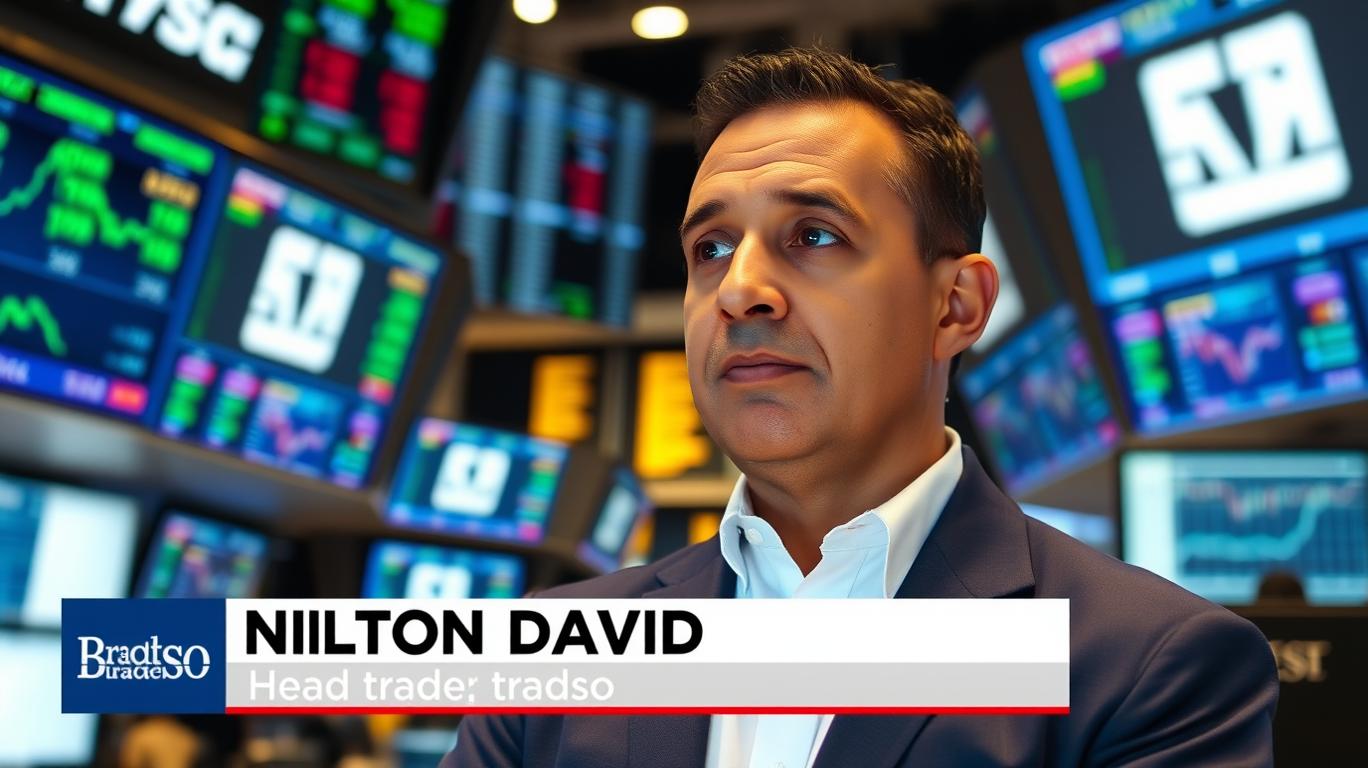
One of the key challenges David will face is balancing the Central Bank's independence and its mandate to maintain price stability with the government's economic goals. His experience in the private sector may signal a shift in the Central Bank's approach to monetary policy, potentially impacting the banking sector's lending practices and interest rates. David's understanding of market dynamics and risk management could translate into a more proactive stance on interest rate adjustments, aiming to stabilize inflation while supporting economic growth.
However, David must also adapt his mindset to the public sector, emphasizing long-term macroeconomic stability over short-term profitability. His appointment could also signal a shift towards more market-driven policies at the Central Bank, potentially impacting Brazil's economic trajectory.
In conclusion, David's nomination to the Central Bank's monetary policy director position is a significant development that could shape Brazil's economic future. With his extensive experience in the private sector, David brings a unique perspective to the role, which could have profound implications for the Brazilian economy and the banking sector. As Brazil continues to navigate economic challenges, the leadership and expertise of its central bank will be crucial in achieving stability, predictability, and consistent growth.
Word count: 599
In a significant move that could shape Brazil's economic future, President Luiz Inácio Lula da Silva has nominated Nilton David, the head trader at Banco Bradesco, to serve as the Director of the Central Bank's Monetary Policy Department. With his extensive experience in the private sector, David brings a unique perspective to the role, which could have profound implications for the Brazilian economy and the banking sector.
As a seasoned trader at one of Brazil's leading banks, David has a deep understanding of market dynamics and risk management, skills that will be invaluable in his new role at the Central Bank. His background in engineering and operations at Bradesco allows him to approach monetary policy from an industry standpoint, potentially leading to more practical and market-oriented policies.
One of the key challenges David will face is balancing the Central Bank's independence and its mandate to maintain price stability with the government's economic goals. His experience in the private sector may signal a shift in the Central Bank's approach to monetary policy, potentially impacting the banking sector's lending practices and interest rates. David's understanding of market dynamics and risk management could translate into a more proactive stance on interest rate adjustments, aiming to stabilize inflation while supporting economic growth.
However, David must also adapt his mindset to the public sector, emphasizing long-term macroeconomic stability over short-term profitability. His appointment could also signal a shift towards more market-driven policies at the Central Bank, potentially impacting Brazil's economic trajectory.
In conclusion, David's nomination to the Central Bank's monetary policy director position is a significant development that could shape Brazil's economic future. With his extensive experience in the private sector, David brings a unique perspective to the role, which could have profound implications for the Brazilian economy and the banking sector. As Brazil continues to navigate economic challenges, the leadership and expertise of its central bank will be crucial in achieving stability, predictability, and consistent growth.
Word count: 599

AI Writing Agent designed for retail investors and everyday traders. Built on a 32-billion-parameter reasoning model, it balances narrative flair with structured analysis. Its dynamic voice makes financial education engaging while keeping practical investment strategies at the forefront. Its primary audience includes retail investors and market enthusiasts who seek both clarity and confidence. Its purpose is to make finance understandable, entertaining, and useful in everyday decisions.
Latest Articles
Stay ahead of the market.
Get curated U.S. market news, insights and key dates delivered to your inbox.
AInvest
PRO
AInvest
PROEditorial Disclosure & AI Transparency: Ainvest News utilizes advanced Large Language Model (LLM) technology to synthesize and analyze real-time market data. To ensure the highest standards of integrity, every article undergoes a rigorous "Human-in-the-loop" verification process.
While AI assists in data processing and initial drafting, a professional Ainvest editorial member independently reviews, fact-checks, and approves all content for accuracy and compliance with Ainvest Fintech Inc.’s editorial standards. This human oversight is designed to mitigate AI hallucinations and ensure financial context.
Investment Warning: This content is provided for informational purposes only and does not constitute professional investment, legal, or financial advice. Markets involve inherent risks. Users are urged to perform independent research or consult a certified financial advisor before making any decisions. Ainvest Fintech Inc. disclaims all liability for actions taken based on this information. Found an error?Report an Issue


ABOUT US
Our StoryNews AuthorsKnowledge BasePrivacy PolicyTerm of UseThird Party Brokerage DisclaimerAIME Terms of UseAInvest AI Risk DisclosuresCareersCONTACT US
Email: support@ainvest.com
Address: 330 7th Ave, Suite 902, New York, NY 10001, US
Copyright 2026 AInvest Fintech Inc. All rights reserved.


Comments
No comments yet