
Brazil's Currency Crisis and the Hidden Opportunities in Emerging Markets
The U.S.-Brazil trade conflict, marked by President Trump's unilateral 50% tariff on Brazilian imports, has sent shockwaves through global markets. While the tariffs threaten to destabilize Brazil's economy and weaken its currency, they also create a unique opportunity for investors to capitalize on undervalued assets in emerging markets. This article examines the risks posed by the Brazilian real's (BRL) devaluation and identifies sectors poised to thrive despite the geopolitical storm.
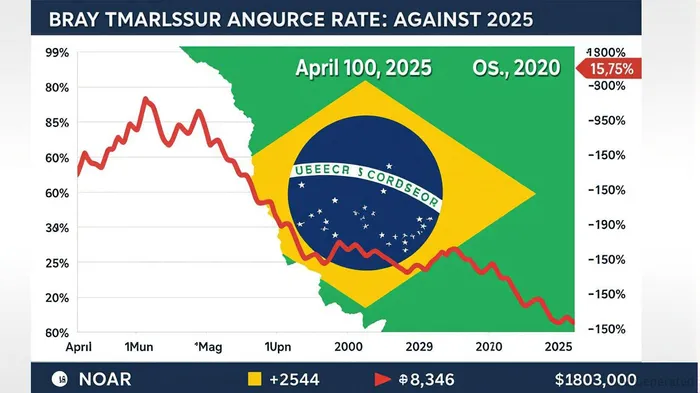
The Trade War and BRL Depreciation: A Perfect Storm?
The 50% tariff on Brazilian goods—effective August 1, 2025—is a retaliation for the prosecution of former President Jair Bolsonaro, whom Trump has labeled a “persecuted leader.” This move, however, is economically self-defeating. Brazil's exports to the U.S. totaled $24 billion in 2024, and the tariffs will disproportionately hurt sectors like steel, agriculture, and semi-finished metals.
The BRL has already begun to weaken, falling to R$5.70 per USD in early July, a 3% decline year-to-date. This depreciation is exacerbated by three factors:
1. Trade Deficit Concerns: Brazil's trade surplus narrowed in June as imports surged, fueled by inflation and rising domestic demand.
2. Fiscal Vulnerabilities: Brazil's public debt-to-GDP ratio stands at 76.2%, and a projected R$104 billion fiscal deficit for 2025 raises doubts about fiscal sustainability.
3. Geopolitical Uncertainty: The U.S. tariffs and the BRICS summit's anti-American rhetoric have deepened political tensions, deterring foreign capital inflows.
The Silver Lining: Currency Depreciation Fuels Export Competitiveness
While the BRL's decline poses risks, it also creates a tailwind for Brazilian exporters outside the U.S. market. A weaker real makes commodities like iron ore, soybeans, and coffee cheaper for buyers in China, India, and the EU. For example:
- Vale (VALE), the world's largest iron ore producer, benefits as Asian demand soaks up displaced exports.
- CSN (SID), a steelmaker, could redirect production to Latin American neighbors, where Brazil's trade surplus with Argentina has already jumped 57.9% this year.
Emerging Market Equity Opportunities: Focus on Commodities and Financials
Despite the tariffs, Brazilian equities present compelling value. The Ibovespa index has dipped recently but remains up 13% year-to-date, outperforming global benchmarks. Here's where to look:
1. Commodities: Betting on Global Demand
Brazil's commodity producers are undervalued but strategically positioned:
- Vale (VALE): Trading at 12x forward earnings, Vale's exposure to China's infrastructure boom makes it a buy. The EIA's bullish oil outlook also supports Petrobras (PBR), though its debt-heavy balance sheet requires caution.
- Fertilizer Producers: Rising global food prices and Brazil's agricultural dominance favor companies like Mosaic (MOS), though local players like Nutrisa (NUTR) offer better leverage to domestic demand.
2. Financials: Resilience Amid Volatility
Brazil's banks are a mix of risk and reward:
- Banco do Brasil (BBAS3): State-backed and insulated from U.S. trade impacts, this institution trades at 0.8x book value, a historic low. Its 55% market share in rural credit makes it a beneficiary of agricultural exports.
- Nubank (NU): A “buy” at $18.50, Nubank's fee-based revenue model is less sensitive to interest rate hikes. Its digital payments dominance (50% of Brazil's Pix transactions) offers long-term growth.
The Fed's Role: A Tailwind for Carry Trades
The Federal Reserve's pivot toward rate cuts—a 100bps reduction is expected by early 2026—will weaken the U.S. dollar, indirectly supporting the BRL. Brazil's central bank (BCB), meanwhile, has kept rates at 15%, creating a 27% interest rate differential with the U.S. This attracts carry traders to Brazilian bonds, stabilizing the currency over time.
Investment Strategy: Play the Rebound with Caution
- Overweight Commodities: Buy ValeVALE-- and PetrobrasPBR.A-- while hedging 50% of USD revenue exposure via forward contracts.
- Financials Pick: Focus on Banco do Brasil and Nubank, but avoid U.S.-exposed manufacturers until tariff terms are clarified.
- Hedge with Inverse ETFs: Use the ProShares UltraShort Brazilian Real (BZQ) to offset equity gains if the BRL weakens further.
Conclusion: A Contrarian Play for Patient Investors
The U.S.-Brazil trade war is a short-term pain with long-term promise. While the BRL's depreciation and fiscal risks are real, the currency's undervaluation and Brazil's strategic shift toward Asia/EU trade present a rare buying opportunity. Investors who allocate to undervalued commodities and resilient financials now could reap rewards as global markets recalibrate.
Stay disciplined, and let the volatility work in your favor.

Stay ahead of the market.
Get curated U.S. market news, insights and key dates delivered to your inbox.
AInvest
PRO
AInvest
PRO



Comments
No comments yet