
Brave Accounts Leverage Zero-Knowledge Encryption For Uncompromised Digital Asset Security
- Brave Accounts introduces a zero-knowledge encryption model ensuring decryption control remains exclusively with the user.
- The architecture prevents service providers from accessing vault contents, addressing critical gaps in digital asset security.
- The launch occurs as federal agencies and private firms face record ransomware breaches, highlighting urgent privacy needs.
- Institutional investors are increasingly prioritizing sovereign-grade risk compliance and data isolation in financial infrastructure.
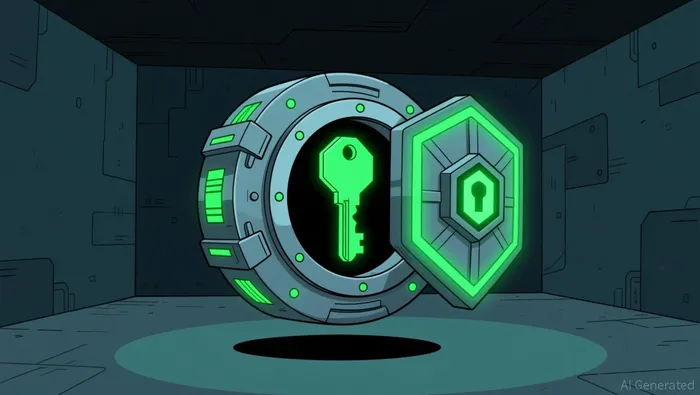
Brave Accounts has introduced a security architecture built entirely on zero-knowledge encryption principles. Under this model, the decryption process remains under the exclusive control of the user. Consequently, the service provider never has visibility into the contents of user vaults or sensitive information stored within the system. This mechanism fundamentally shifts the security paradigm, ensuring that even if the service provider's systems are compromised, the underlying data remains inaccessible to unauthorized parties, including the provider itself. The company emphasizes that user passwords never leave the device, ever, creating a closed loop of authentication that eliminates server-side credential exposure.
This approach directly addresses a growing vulnerability in the digital asset and fintech sectors. As financial operations become increasingly digitized, the centralization of sensitive data has created attractive targets for malicious actors. The zero-knowledge framework ensures that service providers cannot access vault contents by maintaining decryption control exclusively with the user. This enhances data security and privacy by removing the single point of failure that characterizes traditional cloud-based storage models.
The urgency of such security measures is underscored by recent high-profile data breaches across the United States. The Bureau of Alcohol, Tobacco, Firearms and Explosives (ATF) confirmed a ransomware breach by the Qilin group, designating it a major incident due to potential national security risks. Although the affected system was isolated from core operational networks, the incident highlights vulnerabilities in law enforcement data security. Similarly, private firms are not immune. Longhorn Investments faces potential class action liability after the Coinbase Cartel ransomware group claimed responsibility for exposing personal information. Kiewit Corporation is also under investigation for the exposure of employee and contractor personal data, including Social Security numbers.
These incidents illustrate the limitations of traditional security postures. Despite the sophistication of modern cybersecurity tools, the centralization of sensitive data remains a critical risk. Brave Accounts' model mitigates this by ensuring that the service provider never has visibility into user data. This is particularly relevant for investors managing digital assets, where the loss of private keys or credential exposure can result in irreversible financial damage. The architecture neutralizes the risk of server-side breaches, as the provider cannot decrypt the data even if compelled by legal authorities or compromised by hackers.
The market relevance of zero-knowledge encryption extends beyond individual privacy to institutional risk mandates. Financial platforms are increasingly expected to implement reasonable protection measures to safeguard sensitive information. The exposure of data at Longhorn Investments and Kiewit has prompted legal investigations, emphasizing that organizations collecting and storing such data are expected to implement robust security protocols. Investors are advised to review account statements and place fraud alerts following such breaches. The demand for sovereign-grade risk compliance is driving a shift toward architectures that prioritize data isolation and user-controlled decryption.
Regulatory trends are also shaping the demand for enhanced privacy features. While Meta recently agreed to an $18bn settlement with US states mandating default safety features for teenage users, the broader tech industry is facing pressure to overhaul its approach to data protection. The settlement forces structural operational changes, shifting business models away from engagement-driven design toward mandated safety protocols. However, critics argue that prior safety tools were superficial. The regulatory focus on data protection and user safety is creating a favorable environment for platforms like Brave Accounts that prioritize security by design.
The integration of zero-knowledge encryption into Brave Accounts represents a critical evolutionary step in digital asset security. By ensuring that passwords never leave the device and that service providers cannot access vault contents, the platform addresses the core friction point of trust in digital financial infrastructure. As ransomware attacks surge, with malicious packages increasing by 451% year-over-year in the software supply chain, the need for network-level and application-level security is paramount. Brave Accounts' model provides a robust defense against these evolving threats, offering investors a secure environment for managing their digital assets.
The launch of this feature aligns with broader trends in the fintech sector, where platforms are leveraging real-user feedback to refine security features. Bloxley, for instance, is using user data to shape its product roadmap, including voice-to-action assistants and multi-currency accounts. Similarly, the demand for secure, privacy-first financial tools is growing among globally mobile individuals who manage finances across borders. Brave Accounts' zero-knowledge architecture meets this demand by providing a secure infrastructure that does not rely on the trustworthiness of the service provider's central systems. This approach ensures that user data remains protected regardless of the security posture of the underlying platform, offering a significant advantage in an increasingly hostile digital landscape.

Blending traditional trading wisdom with cutting-edge cryptocurrency insights.
Latest Articles
Stay ahead of the market.
Get curated U.S. market news, insights and key dates delivered to your inbox.


AInvest
PRO
AInvest
PRO




Comments
No comments yet