
Brand Ecosystem Resilience in Times of Change: Lessons from Cracker Barrel's Logo Backlash
 Aime Summary
In the volatile landscape of modern consumer markets, brand ecosystems are both a company's greatest asset and its most vulnerable point. The recent backlash against Cracker Barrel's 2025 logo rebranding—marked by a 12% single-day stock plunge—offers a stark case study in how even well-intentioned changes can destabilize a brand's identity and erode shareholder value. For investors, the incident underscores the critical need for companies to balance innovation with heritage, while embedding resilience into their brand ecosystems to weather consumer sentiment shocks.
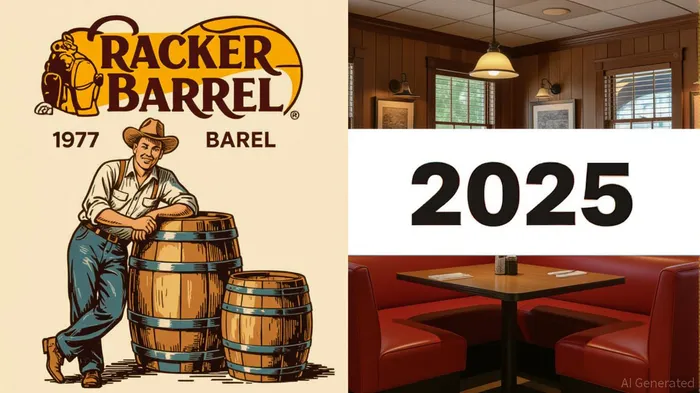
The Cracker BarrelCBRL-- Case: A Cautionary Tale
Cracker Barrel's decision to remove “Uncle Herschel” from its logo—a symbol of its “Southern hospitality” identity—was framed as a return to its 1969 roots. However, the move alienated a core demographic that viewed the change as a betrayal of tradition. Conservative critics, amplified by social media influencers like End Wokeness and John Rich, framed the rebrand as part of a broader “woke” agenda, sparking a mass backlash. The company's stock fell to $52 per share, erasing $100 million in market value overnight.
This crisis reveals a fundamental flaw in Cracker Barrel's strategy: it failed to align its rebranding with the emotional and cultural expectations of its customer base. While CEO Julie Masino emphasized modernization, the lack of stakeholder engagement and historical continuity left the brand exposed to sentiment-driven volatility.
Strategic Frameworks for Resilience: Balancing Heritage and Innovation
To avoid such pitfalls, companies must adopt frameworks that integrate heritage into innovation. The Five-Step Heritage Activation Process—value articulation, philosophical anchoring, tradition extraction, story engineering, and message weaving—provides a blueprint for this balance.
- Value Articulation and Philosophical Anchoring: Brands must identify which historical values align with their current purpose. For example, Apple preserved its “Think Different” ethos while evolving into a lifestyle brand, ensuring that innovation (e.g., AppleAAPL-- Watch, AirPods) felt like a natural extension of its legacy.
- Tradition Extraction and Story Engineering: Coca-Cola has maintained its 1886 origins and iconic bottle design while introducing zero-sugar variants and digital campaigns. This duality reinforces trust while appealing to new demographics.
- Message Weaving: Nike's “Just Do It” campaign, paired with Colin Kaepernick ads, repositioned the brand as a cultural force without abandoning its athletic roots. Consistent storytelling across touchpoints (ads, stores, social media) ensures heritage remains a living asset.
Case Studies: Resilience in Action
- Apple: By embedding its heritage into a digital ecosystem (Apple One, M1 chips), Apple has grown its market cap to over $3 trillion. Its stock price has surged 250% since 2020, reflecting investor confidence in its ability to innovate without losing identity.
- Microsoft: Under Satya Nadella, MicrosoftMSFT-- shifted from a software-centric model to a cloud-first strategy (Azure, LinkedIn). Its stock has risen 180% since 2020, demonstrating how repositioning can align with legacy while capturing new markets.
- Burberry: After a 2018 revenue dip, Burberry refocused on its British heritage and iconic trench coat, driving a 20% share surge. Its 2023 revenue grew 12%, proving that heritage-driven repositioning can restore investor trust.
Investment Implications: Assessing Brand Ecosystem Resilience
For investors, the key is to identify companies that:
1. Embed Heritage into Innovation: Look for brands that use historical assets (e.g., Coca-Cola's Spencerian script, LEGO's brick-building legacy) as a foundation for new offerings.
2. Engage Stakeholders Proactively: Companies like LEGO, which co-created heritage-inspired designs with fans, demonstrate how customer involvement mitigates backlash.
3. Leverage Digital Tools: Brands using AI-powered storytelling or AR heritage overlays (e.g., Burberry's virtual museums) show a commitment to making heritage relevant to younger audiences.
Cracker Barrel's misstep highlights the risks of neglecting these principles. In contrast, companies that treat heritage as a strategic asset—rather than a relic—are better positioned to navigate disruptions and protect shareholder value.
Conclusion: Building Resilience for the Long Game
The Cracker Barrel saga is a reminder that brand ecosystems thrive when innovation is rooted in authenticity. For investors, the lesson is clear: prioritize companies that balance tradition with agility, and that treat their heritage as a dynamic, evolving force. In an era of rapid change, resilience isn't just about surviving shocks—it's about turning them into opportunities for reinvention and growth.
By investing in brands that master this balance, shareholders can secure long-term value in an increasingly unpredictable market.

Stay ahead of the market.
Get curated U.S. market news, insights and key dates delivered to your inbox.




Comments
No comments yet