
Why Bottled Water May Contain More Microplastics Than You Realize
 Aime Summary
A recent study found that bottled water contains significantly higher concentrations of microplastics and nanoplastics compared to treated tap water. Nanoplastics, which are smaller than 1 micrometer, were detected in higher numbers in bottled water and are of particular concern due to their potential to cross cellular barriers in the human body. The study used advanced detection methods such as and optical photothermal infrared spectroscopy, which can identify particles smaller than previously possible. Researchers suggest that relying on filtered tap water and reusable bottles may be healthier and more sustainable alternatives to bottled water.
In recent years, bottled water has been marketed as a cleaner and safer alternative to tap water, but new research suggests that this may not be the case when it comes to plastic contamination. Scientists have found that bottled water contains significantly higher concentrations of micro- and nanoplastics than conventionally treated tap water, raising concerns about long-term health effects and environmental sustainability. These findings are reshaping the way consumers and investors think about the bottled water industry.
What Is a Microplastic, and Why Does It Matter in Bottled Water?
. . Researchers are now using advanced techniques like to detect these smaller particles.
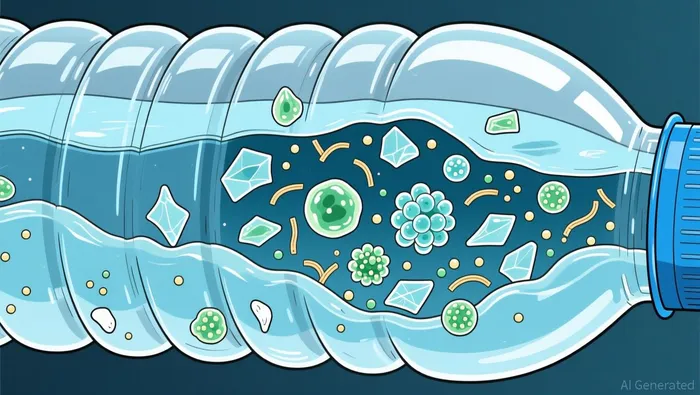
The concern stems from the fact that nanoplastics can pass through the body more easily than larger microplastics. They can cross biological barriers, such as cell membranes, and potentially reach organs and tissues. While the health risks are not yet fully understood, some studies suggest nanoplastics could cause oxidative stress, inflammation, or impair learning functions.
Why Is Bottled Water Containing More Microplastics Than Tap Water a Problem for Investors?
The bottled water industry has long relied on the perception that bottled water is a cleaner option. However, these studies challenge that assumption. Not only does bottled water contain more nanoplastics, but the plastic particles may be coming from the packaging itself. This raises questions about the sustainability of the industry and could lead to regulatory pressure or changes in consumer behavior.
Investors should also consider how this research might affect demand. If more consumers shift to filtered tap water or reusable water bottles, the market for bottled water could face long-term headwinds. On the flip side, the growing awareness of microplastics may create new opportunities for companies offering water filtration systems or eco-friendly packaging solutions.
What Are the Implications for Public Health and Regulatory Action?
The findings of high nanoplastic levels in bottled water have sparked public concern and led to calls for better detection and regulation. While current water treatment processes are effective for larger microplastics, they may not capture nanoplastics. As a result, scientists are advocating for improved detection methods and the development of filtration technologies that target these smaller particles.
Public health officials may also need to reconsider the health risks associated with long-term exposure to micro- and nanoplastics. While some studies have raised questions about the reliability of microplastic detection methods in the human body, the presence of these contaminants in drinking water is a growing area of concern. This could lead to stricter guidelines or labeling requirements for bottled water products in the future.
What to Watch for Next
The key takeaway is that the bottled water industry may face increased scrutiny as new research continues to emerge. Investors should keep an eye on developments in microplastic detection methods and public health responses to plastic contamination in drinking water. Additionally, companies that offer alternative water solutions—like filtration systems or sustainable packaging—could benefit from the shift in consumer preferences.
In the coming months, expect more studies to explore the long-term health effects of micro- and nanoplastics, as well as new technologies aimed at reducing plastic contamination in drinking water. These developments could reshape the industry and influence regulatory decisions at both the state and federal levels.

Stay ahead of the market.
Get curated U.S. market news, insights and key dates delivered to your inbox.


AInvest
PRO
AInvest
PRO



Comments
No comments yet