
Bostic's Departure Weakens Fed's Independence as Trump Presses for Control


 Aime Summary
The Federal Reserve's independence faces mounting scrutiny as Raphael W. Bostic, president of the Atlanta Fed, announced his retirement in February 2026, creating another vacancy on the central bank's policy-making apparatus amid escalating tensions between the Trump administration and the Fed. Bostic, the first African American and openly gay president of a regional Federal Reserve bank, will leave a role he held since 2017, further complicating the Fed's already strained relationship with the White House. His departure follows a contentious tenure marked by a 2022 trading scandal and a broader political battle over the Fed's autonomy.
Trump's pressure on the Fed has intensified in recent months, with the president attempting to replace board members and demand aggressive rate cuts. Last year, Trump fired Fed governor Lisa Cook, a move blocked by the Supreme Court, and temporarily installed Stephen Miran, a top adviser, to fill a board vacancy. Bostic's exit removes another potential obstacle to Trump's influence, as the Atlanta Fed's board - not the Trump administration - will conduct a nationwide search for his successor. 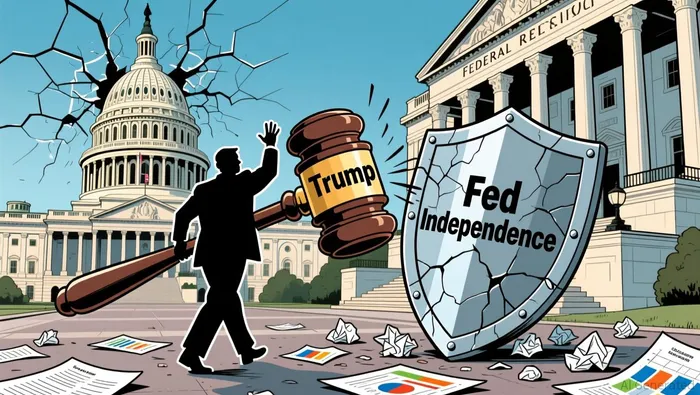 The process, however, remains subject to approval by the Fed's Washington-based board, which retains the power to veto candidates.
The Fed's Open Market Committee (FOMC), which sets monetary policy, has lost key independent voices amid Trump's interventions. Bostic, who previously argued that the Fed's interest rate was only "marginally restrictive," had been cautious about aggressive rate cuts, a stance at odds with Trump's demands. His retirement comes as the Fed debates whether to cut rates further in December, with Chair Jerome Powell cautioning that such a move is not "a foregone conclusion".
Bostic's tenure was also shadowed by ethical concerns. In 2024, the Fed's inspector general found he violated internal trading rules by executing 154 trades during blackout periods ahead of rate decisions, though no laws were broken. Bostic maintained he was unaware of the trades' timing and did not personally execute them.
Despite the controversies, Powell praised Bostic's contributions, calling his leadership "steadfast" and emphasizing his role in advancing the Fed's mission. Bostic's exit underscores the fragility of the Fed's independence as Trump seeks to reshape its leadership ahead of Powell's term expiration in May 2026.

Stay ahead of the market.
Get curated U.S. market news, insights and key dates delivered to your inbox.


AInvest
PRO
AInvest
PRO



Comments
No comments yet