
BONK Faces Scrutiny as Study Reveals 82.8% of Meme Coins Show Manipulation
 Aime Summary
- A new study finds 82.8% of high-performing meme coins exhibit market manipulation signs.
- Wash trading and liquidity pool manipulation tactics are widespread across major blockchains according to research.
- Over 62% of tokens in pump-and-dump schemes showed prior artificial growth patterns as the study indicates.
Render (BONK) and other memeMEME-- tokens face heightened scrutiny following a groundbreaking academic study exposing systemic market manipulations. The research analyzed nearly 35,000 tokens across leading blockchains including SolanaSOL--, where BONKBONK-- operates. Findings reveal artificial growth strategies are alarmingly common in this asset class. This could pressure meme coins as regulators and investors reassess risks.
How Prevalent Is Market Manipulation in Meme Coins?
The study examined 34,988 tokens across EthereumETH--, BNBBNB-- Smart Chain, Solana, and Base ecosystems. Researchers found four out of five high-return meme coins displayed clear manipulation indicators. This suggests artificial growth strategies dominate the meme coin market rather than organic demand. Investor caution remains warranted given these systemic issues.
Blockchain-agnostic analysis confirms manipulation spans multiple networks without technical boundaries. Solana tokens were included in the assessment alongside other major chains. The patterns observed indicate memecoins face similar vulnerabilities regardless of underlying technology. Regulatory attention may increase following these findings.
What Tactics Are Used to Artificially Inflate Meme Coin Prices?
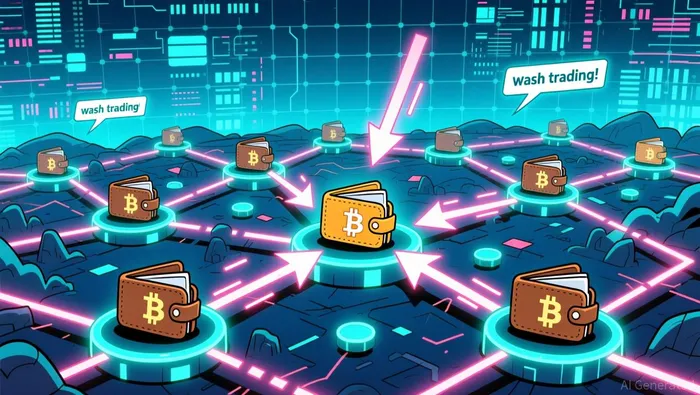
Wash trading accounted for significant artificial volume across studied tokens according to the research. This involves coordinated buy-sell orders among connected wallets to simulate activity. Such tactics create false momentum signals that can mislead retail traders into entering positions.
Liquidity Pool-Based Price Inflation (LPI) emerged as another prevalent manipulation method according to the research. This involves small strategic purchases that trigger disproportionate price spikes through low-liquidity pools. The study noted LPI events often precede pump-and-dump schemes targeting unsuspecting investors. These mechanics enable bad actors to extract value rapidly.
How Does This Impact Investor Confidence in Meme Coins?
The research linked prior artificial manipulation to 62.9% of subsequent pump-and-dump incidents. This correlation suggests early warning signs often precede more overt fraud. BONK investors should monitor for unusual volume-liquidity disconnects that could indicate LPI activity. Such vigilance becomes essential in this high-risk segment.
Market-wide implications include potential erosion of trust in meme coin valuations. The frequency of manipulation tactics threatens legitimate projects seeking organic growth as the study indicates. While not implicating specific tokens, the patterns observed necessitate heightened due diligence. Investors should prioritize transparency and on-chain analytics when evaluating positions.
Long-term ecosystem health requires improved detection of wash trading and LPI patterns. The study advocates for advanced monitoring tools to identify suspicious transactions early. That could help exchanges and regulators protect market integrity without stifling innovation. Community education about these manipulation vectors remains equally vital.

Blending traditional trading wisdom with cutting-edge cryptocurrency insights.
Latest Articles
Stay ahead of the market.
Get curated U.S. market news, insights and key dates delivered to your inbox.




Comments
No comments yet