
Bond Yields Rise: Navigating Sector Risks and Hedging Strategies in 2025
The bond market's recent volatility, driven by inflation fears and policy shifts, has sent shockwaves through equity valuations. As the 10-year Treasury yield hovers near 4.4%, investors must reassess sector exposures and hedging tactics to navigate this environment. Let's break down the spillover effects and strategies to protect portfolios.
The Bond Market Landscape: A Tightrope Between Inflation and Fed Policy
The 10-year Treasury yield remains range-bound between 4.2% and 4.6% amid conflicting forces: fiscal deficits push yields higher, while Fed rate-cut expectations anchor them. Inflation, though easing to 2.7% (headline) and 2.9% (core), continues to complicate the Fed's path. Analysts like Zachary Griffiths note that tariff-driven cost pressures could reignite volatility, even as markets bet on a September rate cut.
The yield curve, expected to steepen as short-term rates drop, signals a cautious economic outlook. This dynamic creates both risks and opportunities for equity investors.
Equity Sector Vulnerabilities: Tech, REITs861104--, and Rate-Sensitive Plays
1. High-Beta Tech: The Discount Rate Dilemma
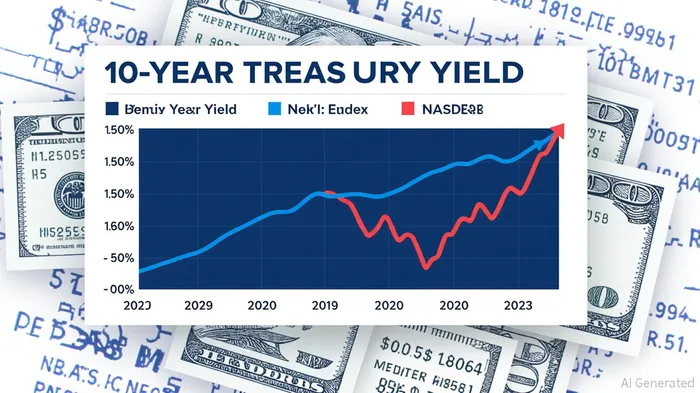
Tech stocks, particularly high-growth names, are disproportionately exposed to rising yields. Their valuations rely on discounted cash flows, which shrink as rates climb. Historically, NASDAQ has struggled when the 10-year yield rises above 4%—a threshold now breached.
Analyst sentiment is mixed: While AI-driven innovation boosts fundamentals, valuation multiples are under pressure. Sectors like semiconductors and cloud infrastructure face a dual challenge—higher borrowing costs and slowing enterprise spending.
2. REITs: The Yield Competition Trap
Real Estate Investment Trusts (REITs) are another rate-sensitive sector. As bond yields rise, REIT dividends (typically 3–5%) become less attractive. The recent sell-off in Q2 saw REITs underperform the S&P 500, with their price-to-FFO ratios hitting decade lows.
The Fed's potential rate cuts could provide relief, but the sector's long-term outlook depends on rental demand and cap rate normalization.
3. Consumer Discretionary: Marginal Gains, Marginal Risk
While not directly rate-sensitive, consumer discretionary stocks face inflation headwinds. Higher borrowing costs reduce consumer spending power, especially for big-ticket items. Analysts warn that sectors like e-commerce and auto manufacturers could see margin pressures if wage inflation resurges.
Defensive Sectors and Hedging Tools: Anchors in Volatile Waters
To mitigate exposure, investors should focus on low-beta, cash-generative sectors and yield-hedging instruments:
1. Utilities and Consumer Staples: The Classic Defensives
Utilities (e.g., NextEra Energy, Duke Energy) and consumer staples (e.g., Procter & GamblePG--, Coca-Cola) offer stable dividends and low sensitivity to rate hikes. Their beta coefficients (typically below 0.8) make them natural hedges.
2. Inverse Bond ETFs: Weaponizing Yield Moves
Inverse bond ETFs like ProShares UltraShort 20+ Year Treasury (TBT) profit from rising yields. While volatile, these instruments can offset equity losses in a rising-rate environment.
3. Long-Term Treasuries: A Direct Hedge
The Bloomberg Treasury Index, up 2.1% YTD through coupon income, provides a low-risk hedge against equity volatility. Investors can ladder maturities (3–8 years) to balance yield and liquidity.
4. Gold: The Non-Bond Hedge
Gold's outperformance in Q2 (up ~12% in USD terms) highlights its role as an inflation and geopolitical hedge. Physical gold or ETFs like GLDGLD-- can diversify portfolios without bond-market correlation.
The Case for Rebalancing: Pragmatism Over Optimism
The playbook is clear:
- Reduce exposure to tech and REITs, especially those with stretched valuations or leveraged balance sheets.
- Increase allocations to utilities and staples, targeting dividend yields above 3%.
- Layer in hedges: Allocate 5–10% to inverse bond ETFs or gold, and consider Treasury futures for tactical protection.
Analyst warnings about tariff impacts and fiscal deficits suggest caution. The Fed's path remains uncertain—rate cuts could stabilize equities, but lingering inflation risks demand a defensive tilt.
Final Take: Navigating the Yield Crossroads
Rising bond yields are here to stay for now, pressuring high-beta sectors and rewarding discipline. Investors who rebalance toward defensives and deploy targeted hedges will be better positioned to weather the volatility—and capture opportunities in the eventual cycle turn.
Stay vigilant, and rebalance accordingly.

Stay ahead of the market.
Get curated U.S. market news, insights and key dates delivered to your inbox.






Comments
No comments yet