
Bolivia's Struggling Economy Drives 14.6% Inflation, USDT Adoption
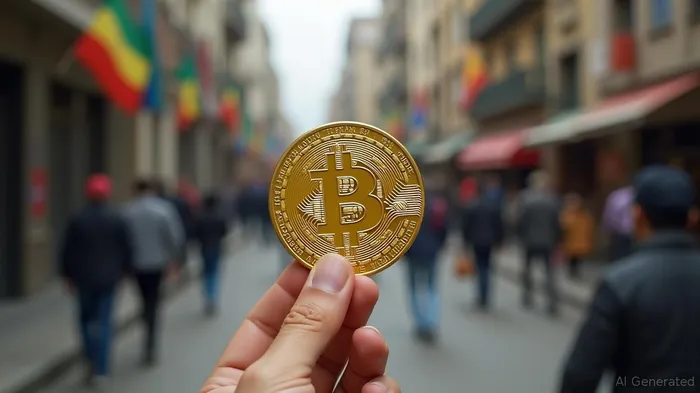
Tether USDT stablecoin has been observed on price tags in Bolivian stores, indicating a growing unofficial use of the cryptocurrency in the country's struggling economy. The CEO of Tether, Paolo Ardoino, shared images on June 7 showing items priced in USDT at a duty-free shop in a Bolivian airport. The notice to customers stated that prices are set in USDT, a stable cryptocurrency with a reference price informed daily by the Central Bank of Bolivia, based on the rate from a cryptocurrency trading platform. Customers can pay in either local fiat currency, Bolivianos, or US dollars, with USDT used to establish the dollar-Bolivianos exchange rate.
The use of USDT as a pricing benchmark in Bolivia is not yet widespread, but it is gaining popularity. In late October 2024, a major local bank began offering a custody service for USDT, allowing clients to buy, sell, and transfer the asset through the bank. This move suggests that the stablecoin is becoming more integrated into the country's financial system.
Bolivia's economy has been in steep decline, with usable foreign reserves falling from $15 billion in 2014 to $1.98 billion in December 2024. The country faces a thriving black market for dollars, with the street rate reaching approximately 10 Bolivianos per dollar as of mid-2024. The official exchange rate is approaching 7 Bolivianos per US dollar. The government spends approximately $56 million per week importing diesel and gasoline, yet it still faces nationwide shortages. The local Consumer Price Index stood at 14.6% as of March 2025, with food prices increasing by 25% and rice prices up by 58% in a year. One of the photos shared by Ardoino showed a pack of Oreos priced between 15 and 22 USDT, highlighting the rapid erosion of the local currency’s purchasing power.
The adoption of USDT in Bolivia is driven by the need for a more stable and predictable currency in an economy facing significant challenges. This trend is not limited to large retailers but is also seen in smaller shops and local businesses, indicating a widespread acceptance of USDT as a viable currency option. The shift towards USDT is a strategic move by retailers to adapt to the digital age, enabling the use of digital wallets and electronic payment infrastructures. This move allows shoppers to use digital wallets instead of physical cash, marking a significant step towards a more technologically advanced payment system.
The embrace of USDT by Bolivian retailers signals a broader acceptance of digital currencies in everyday commerce. This trend serves as a case study for other regions facing similar economic challenges, demonstrating the potential of stablecoins to provide stability and reliability in financial transactions. As more businesses and consumers turn to digital currencies for their transactions, the role of stablecoins like USDT is likely to become even more prominent in the global financial landscape.

Stay ahead of the market.
Get curated U.S. market news, insights and key dates delivered to your inbox.


AInvest
PRO
AInvest
PRO



Comments
No comments yet