
Bolivia Sees 630% Surge in Crypto Transactions Amid Economic Instability
Bolivians are increasingly turning to cryptocurrencies as a means to navigate severe economic instability and dollar shortages. The country has witnessed a significant surge in crypto transactions, with the total value exceeding $430 million since the ban on digital assetDAAQ-- transactions was lifted in June 2024. This shift is driven by rampant inflation, a scarcity of US dollars, and the devaluation of the national currency, the Bolivian boliviano.
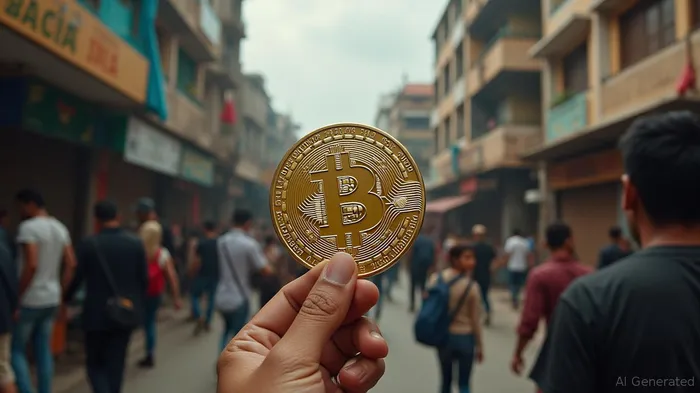
The Central Bank of Bolivia reported a 630% increase in crypto transactions, climbing from $46.5 million in the first half of 2024 to $294 million in the same period of 2025. This surge is particularly notable in cities like Cochabamba, where Bitcoin ATMs are becoming more common, and businesses are embracing crypto payments. Discounts are often offered for transactions made with digital assets, further incentivizing their use.
The rise of electronic payment channels and virtual asset instruments has provided micro-businesses and families with access to foreign currencies, facilitating remittances, small purchases, and daily payments. Platforms such as Binance are being used to acquire Bitcoin and stablecoins like Tether (USDT), helping citizens safeguard their finances against the weakening Bolivian boliviano. The Bolivian government's artificial maintenance of the official exchange rate, while the black market rate plummets, has also driven this trend.
Individual users conducted 86% of digital asset trades, with men representing 77% of these total operations across Bolivia. The repeal of the 2020 ban via Resolution 082/2024 enabled families and small businesses to send remittances, pay for goods, and settle international trades with ease. Additionally, the BCB has launched nationwide workshops to explain how bitcoin works and to warn about its risks.
The national government also promotes Decree 5384 to regulate fintech firms and define “Virtual Asset Service Providers.” The decree aligns with global standards and aims to bring order to a rapidly growing field. BCB officials say they will monitor the market continuously. They believe clear rules and education will help users and developers build safe, cost‑effective services on digital platforms.
However, financial experts, including former central bank head Jose Gabriel Espinoza, have warned that this surge in crypto usage reflects underlying economic instability rather than robust financial health. The shift to digital assets is seen as a practical lifeline for Bolivians facing soaring inflation and persistent dollar shortages. The use of cryptocurrencies allows them to hedge against inflation and acquire the dollar, which is crucial for financial stability in the current economic climate.

Stay ahead of the market.
Get curated U.S. market news, insights and key dates delivered to your inbox.


AInvest
PRO
AInvest
PRO



Comments
No comments yet